Engineered for high-duty cycling, extreme thermal fluctuations (-40°C to +300°C), and corrosive H2S/saline atmospheres encountered in Kuwait's energy and industrial manufacturing sectors.
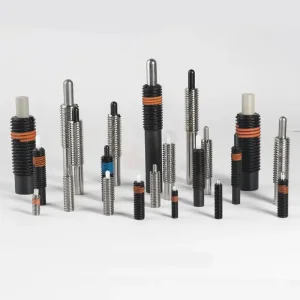
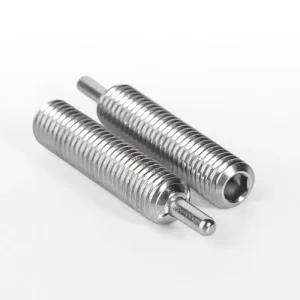
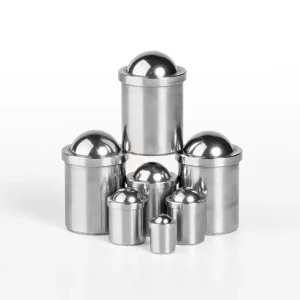
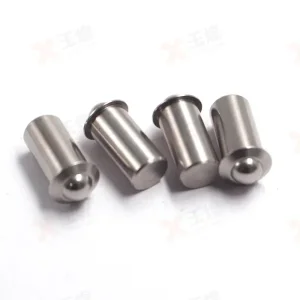
A rigorous examination of precision positioning hardware in severe Persian Gulf environments, local industrial diversification, and technical procurement criteria.
The State of Kuwait is executing one of the Middle East's most concentrated industrial diversification and modernization programs under the umbrella of Kuwait Vision 2035 (New Kuwait). Historically centered on upstream extraction operated by Kuwait Oil Company (KOC) and complex downstream refining via Kuwait National Petroleum Company (KNPC) and Kuwait Integrated Petroleum Industries Company (KIPIC) at the Al-Zour complex, the country is actively expanding its domestic secondary manufacturing, structural fabrication, modular water desalination plants, and renewable energy infrastructure.
In these environments, mechanical reliability is not merely a design variable; it is a vital safety prerequisite. Standard commercial fasteners frequently fail in Kuwait's operating theatre. The summer ambient temperatures regularly surpass 52°C, resulting in internal machinery cabinet temperatures in excess of 80°C. Coupled with high airborne salinity from the Arabian Gulf and particulate abrasion from desert sandstorms (Shamal winds), equipment hinges, alignment pins, pneumatic actuators, and indexing mechanisms encounter severe tribological fatigue.
Spring plungers (frequently designated as spring-loaded devices, positioning beads, or detent pins) serve as the unsung workhorses across Kuwait's physical infrastructure. From indexing valves on petrochemical manifold skids in Mina Al-Ahmadi to tooling fixtures in Shuwaikh Industrial Area and quick-release access panels in Shuaiba's electrical substations, precision spring plungers provide repeatable indexing forces, positive locking detents, and rapid tool-free component disengagement without jamming or galling.
On a global scale, the spring plunger market has evolved beyond simple slotted hardware screws. As modern industrial equipment pivots toward automated robotic assembly, cleanroom semiconductor handling, modular EV battery pack staging, and offshore energy infrastructure, the performance tolerances demanded from spring plungers have tightened drastically.
Worldwide engineering design offices require spring plungers capable of sustaining hundreds of thousands of actuation cycles without experiencing spring relaxation (loss of initial preload force). Furthermore, the integration of chemical locking elements—such as microencapsulated adhesives or polyamide patches directly fused onto the plunger body threads—is now standard practice to negate the vibrational loosening caused by industrial rotating machinery and offshore drilling equipment.
Plunger bodies and internal compression springs crafted from austenitic SUS316, 17-4PH precipitation-hardened stainless steel, and Inconel alloys designed specifically to resist chloride stress corrosion cracking in Kuwait's coastal desert.
Anti-ChlorideNACE MR0175Every batch features computerized spring rate testing verifying initial and full-stroke end forces. Whether standard, light, or heavy force (up to 150 N), forces remain calibrated across thermal extremes.
DIN 2098 SpringsZero Preload LossMachined using high-speed multi-axis Swiss CNC lathes with rolling threads (not cut threads), ensuring root grain continuity, burr-free chamfers, and precise micro-press-fit housings down to M2 diameters.
Swiss CNCClass 6g/6H ThreadsGlobal procurement directors supplying the Kuwaiti market frequently encounter a paradox: traditional European or North American suppliers offer high-quality positioning components but impose lead times of 12 to 16 weeks alongside exorbitant unit costs that heavily strain EPC (Engineering, Procurement, and Construction) project budgets. Conversely, generic hardware distributors often lack certified quality management, delivering unverified alloys that fail under sour gas exposure.
Yu-Huang Electronics (Dongguan, China) resolves this trade-off. Operating across a massive 20,000 square meter modernized manufacturing footprint with three dedicated manufacturing centers in Dongguan, Shaoguan, and Wuhan, we merge the precision discipline of IATF 16949, ISO 9001, and ISO 14001 with unmatched Chinese supply chain agility.
Comprehensive metallurgical and dimensional guide for mechanical engineers, mold makers, and maintenance planners.
| Plunger Series & Type | Body Material Options | Ball/Pin Nose Material | End Force Range | Operating Temp Range | Recommended Kuwait Applications |
|---|---|---|---|---|---|
| Threaded Slotted / Hex Ball Plungers | AISI 303 / 304 / 316 Stainless; Carbon Steel Black Oxide | Hardened Chrome Steel (100Cr6); SUS440C; Ceramic (Si3N4) | 0.5 N – 120 N (Light, Standard, Heavy) | -40°C to +250°C (300°C for all-stainless) | Downstream refinery valve detents, control lever latching, pneumatic manifold stops in Mina Al-Ahmadi. |
| Press-Fit (Smooth Body) Plungers | SUS303, SUS316, Delrin (POM) Plastic Sleeve | Stainless Steel 304; Delrin; Hardened Tool Steel | 1.2 N – 75 N | -30°C to +80°C (Delrin); up to 250°C (Steel) | Electronic switchgear housings, aluminum extrusion jigs, modular laboratory testing rigs in Kuwait City. |
| Nose Pin Spring Plungers with Hex | Grade 12.9 High Tensile Steel; SUS316L Marine Grade | Case-Hardened Steel with Zinc; SUS303; Brass Nose | 5.0 N – 180 N (High-thrust spring) | -40°C to +280°C | Oilfield pump assembly fixtures, drilling mast latch pins, heavy structural fabrication in Shuaiba Industrial Area. |
| Flanged Housing Press-Fit Plungers | Stainless Steel SUS304 / 316; Surface Passivated | Stainless Steel SUS440C Hardened Ball | 2.0 N – 65 N | -40°C to +220°C | Solar PV tracker tilt-bracket indexing, automated desert conveyor indexing, food & beverage filling lines in Subhan. |
| Anti-Loosening Thread-Patch Plungers | SUS316 / Alloy Steel with Dacromet or Zinc Flake | SUS316 Ball or Hardened Pin with PEEK Tip | Custom calibrated to drawing (±5% tolerance) | -50°C to +150°C (Patch dependent) | High-vibration centrifugal compressors, offshore supply vessel deck mechanisms, desalination high-pressure pump skids. |
Selecting the exact spring plunger geometry requires analyzing the mating kinematic interaction. In Kuwait's harsh environments, four primary industrial sectors create ongoing, high-volume procurement demand:
In drilling rig consoles, offshore flowline manifolds, and refinery sampling stations, ball plungers serve as tactile feedback mechanisms for quarter-turn valves and manual override actuators. Because volatile hydrocarbons and trace hydrogen sulfide (sour gas) can cause catastrophic hydrogen embrittlement in improperly heat-treated steels, our SUS316L and 17-4PH plungers meet strict NACE MR0175/ISO 15156 guidelines, eliminating sulfide stress cracking.
Kuwait's massive multi-stage flash (MSF) distillation and reverse osmosis (RO) seawater facilities (such as Az-Zour South and Doha West) operate in high-chlorine, coastal marine air. Quick-release instrument access covers, filter rack positioners, and salinity sampling modules use our electropolished 316 stainless steel ball plungers to completely prevent galvanic corrosion and pitting.
As Kuwait accelerates the multi-gigawatt Shagaya Renewable Energy Project, single-axis and dual-axis solar trackers require mechanical lock-out detents for maintenance lockouts and extreme storm positioning. Plungers deployed here must withstand continuous exposure to UV radiation, blowing silicate dust, and 45°C daily thermal cycling without seal degradation.
Kuwait’s industrial workshops produce specialized plastic bottles, PVC fittings, building insulation components, and sheet metal ductwork. In injection molds and progressive stamping dies, spring plungers ensure positive part ejection, lateral position detenting, and uniform stripper plate alignment, maximizing tool life and eliminating mold downtime.
How the fastener industry is addressing Industry 4.0 automation, smart sensors, and stringent international supply chain audits.
The next generation of spring plungers is evolving in tandem with advanced automation. First, the growth of sensor-integrated plungers (featuring embedded inductive proximity switches or micro-reed contacts) allows automated controllers to verify not only whether an indexing element has exerted mechanical pressure, but whether the workpiece is correctly seated to within 5 microns. This eliminates assembly errors in lights-out manufacturing operations.
Second, the rapid expansion of semiconductor testing and medical electronics has increased demand for zero-magnetic-permeability plungers made from phosphor bronze, titanium, or high-purity ceramic balls (silicon nitride, Si3N4). These components eliminate magnetic interference while resisting galling in lubricant-free environments.
Finally, surface engineering has advanced through the deposition of Diamond-Like Carbon (DLC) and titanium nitride (TiN) physical vapor deposition (PVD) coatings. Applied onto the plunger nose or ball, these treatments reduce the sliding coefficient of friction to below 0.1, guaranteeing smooth tactile movement even when fine airborne dust accumulates in unsealed mechanical assemblies.
Supply chain managers procuring hardware components for major infrastructure and energy projects in Kuwait should implement a rigorous quality assurance protocol. Below is the technical compliance checklist enforced by Tier-1 contractors:
Demand EN 10204 Type 3.1 inspection certificates verifying raw material heat numbers, chemical composition (Optical Emission Spectrometry), and mechanical tensile properties directly from the melting mill.
Ensure that compression springs are pre-set during manufacturing to eliminate settling. Require verification of dynamic fatigue endurance exceeding 250,000 full compression cycles under specified preloads.
For outdoor installations in Kuwait's coastal strip, specify neutral salt spray testing (ASTM B117) exceeding 720 hours for passivated 316 stainless or zinc-flake-coated alloy fasteners without red rust initiation.
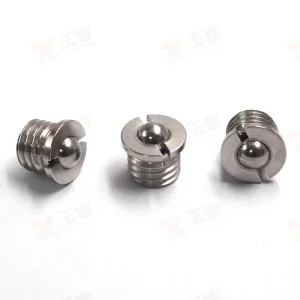
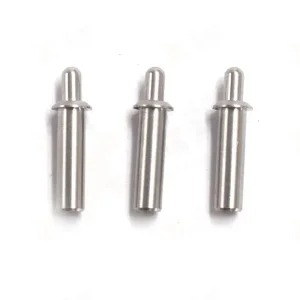
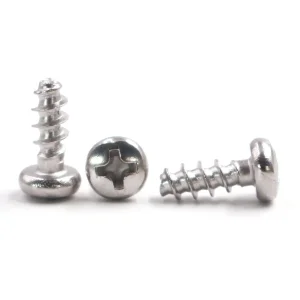
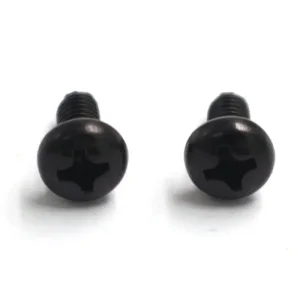
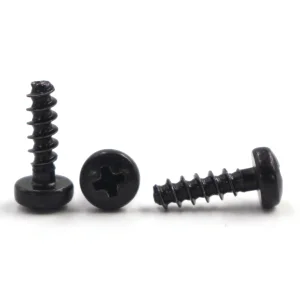
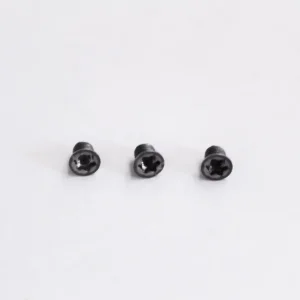
Explore our comprehensive catalog of slotted plungers, flange units, thread-forming fasteners, and sealing hardware available for delivery across Kuwait.
Comprehensive answers regarding engineering specifications, metallurgy, logistics, and quality assurance.
Standard carbon steel compression springs experience metallurgical relaxation and yield strength loss when operating above 80°C over extended duty cycles. For equipment deployed in Kuwait’s summer environment, we manufacture our internal springs exclusively from precision-wound SUS302, SUS316, or 17-7PH (AISI 631) precipitation-hardened stainless steel wire, which retains calibrated end forces up to 300°C without permanent set or preload loss.
Yes. We produce fully certified SUS316L and Inconel 718 spring plungers that comply with NACE MR0175/ISO 15156. In sour environments containing H2S, standard high-hardness ball bearings and high-carbon bodies can suffer catastrophic hydrogen-induced stress cracking. Our controlled-hardness austenitic and nickel-chromium alloys ensure total fracture toughness and chemical stability.
A ball plunger incorporates a spherical ball that provides low rolling friction across a sliding surface, making it ideal for smooth detents, multi-position indexing dials, and rotary switches. A pin nose spring plunger features a cylindrical nose with a chamfered tip, offering a larger lateral bearing surface and significantly higher shear load capacity, which is essential for heavy locking pins, tooling fixture stops, and sheet metal alignment.
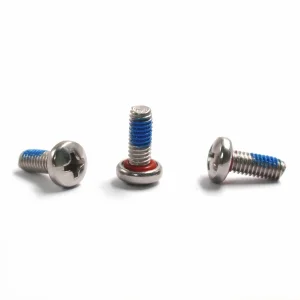
We offer factory-applied polyamide locking patches (blue nylon patch) fused directly across 4 to 6 pitches of the external thread, or microencapsulated anaerobic adhesive coatings (DIN 267-27). The patch creates a controlled prevailing torque that resists vibration-induced back-off even under severe equipment agitation, while still permitting repositioning and reuse.
Absolutely. Over 60% of our production consists of customized, drawing-based fasteners. Our engineering department handles 2D AutoCAD drawings, 3D STEP/IGES solid models, or reverse-engineers physical samples. We customize thread pitches (metric coarse/fine, UNC, UNF), body lengths, stroke depths, nose configurations (brass, Delrin, ceramic, or carbide), and custom end forces from 0.1 N to 250 N.
Every export shipment is dispatched with a complete documentation dossier required by Kuwait Customs and the Public Authority for Industry (PAI), including Commercial Invoices, Packing Lists with HS Code classifications, Certificate of Origin (COO), EN 10204 3.1 Material Test Reports, Plating/Passivation Certificates, and lot-specific Dimensional Inspection Reports. Air shipments to Kuwait City arrive in 3 to 7 days, and sea freight containers to Shuwaikh or Shuaiba arrive within 18 to 24 days.
Eliminate lead-time bottlenecks, reduce project procurement costs by 30–40%, and secure precision-engineered spring plungers built to withstand Kuwait’s harshest operational environments. Send our engineering team your 2D/3D drawings or BOM today.
