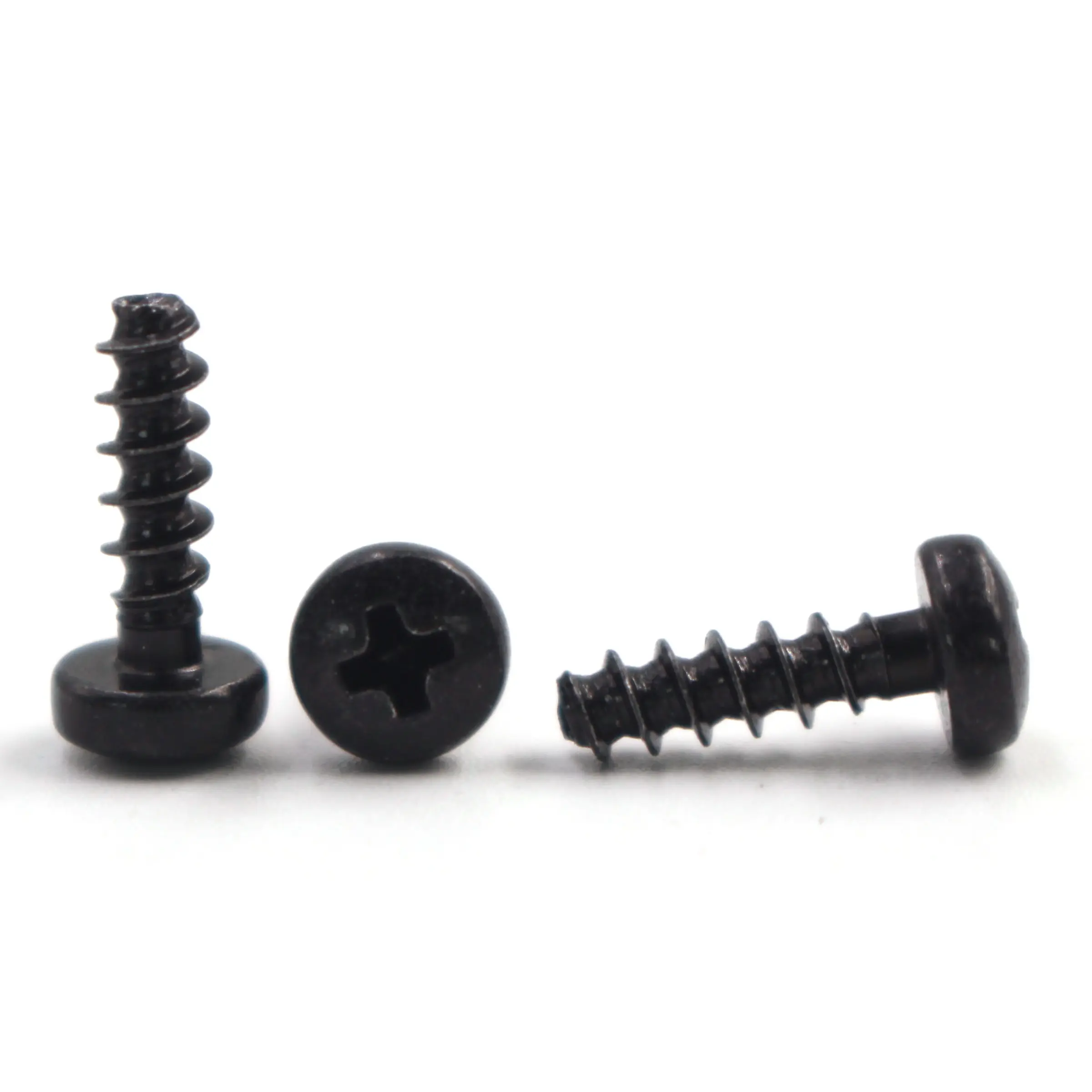
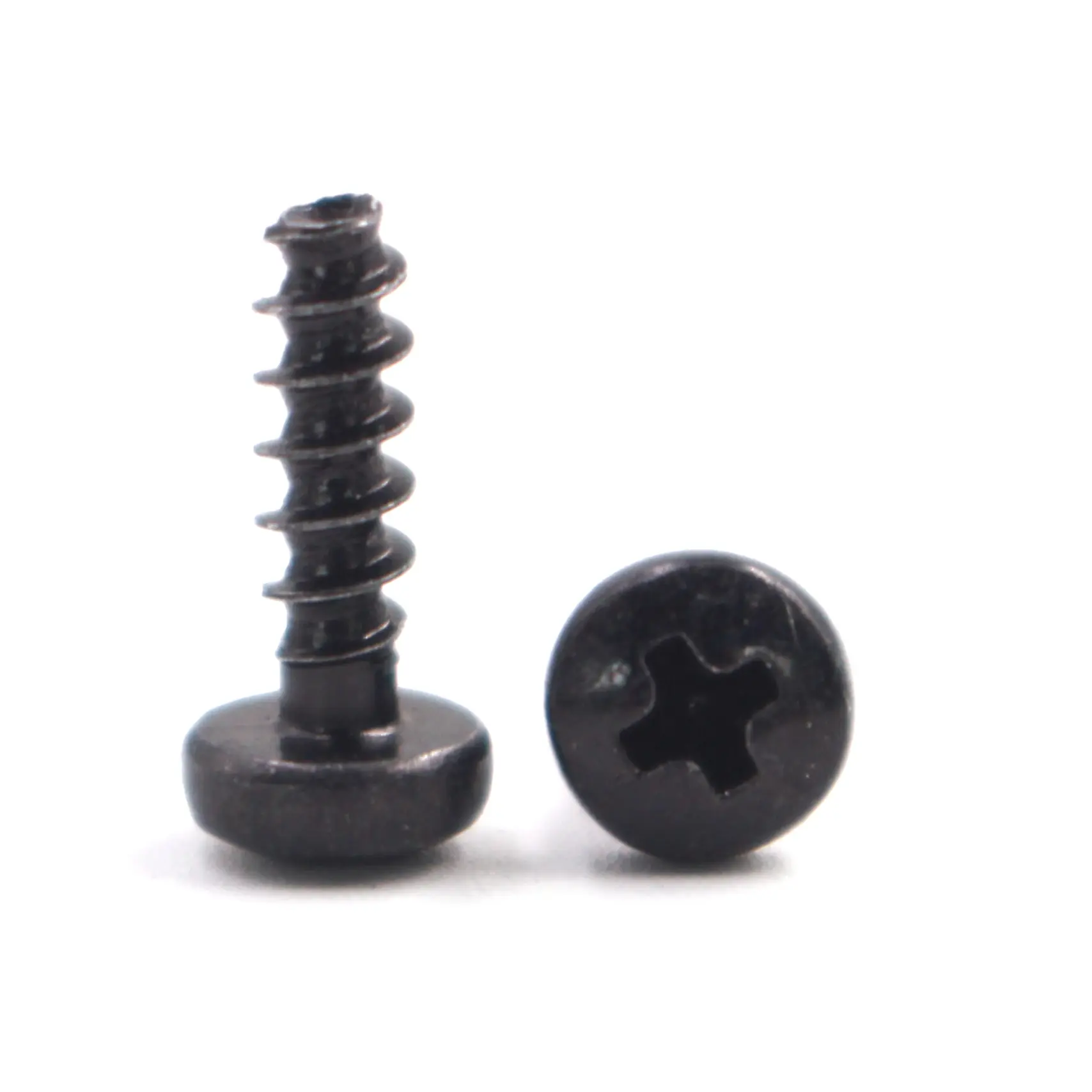
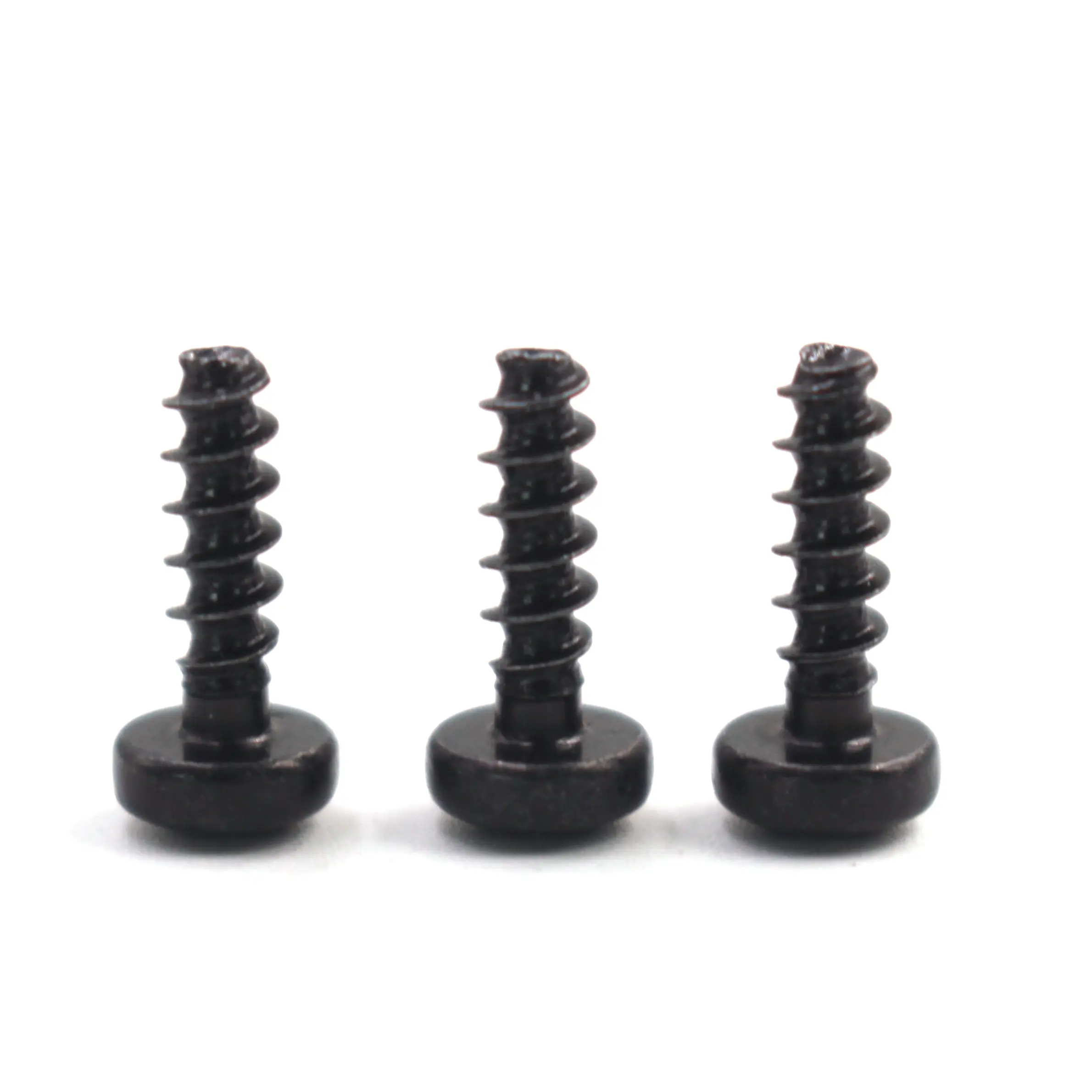
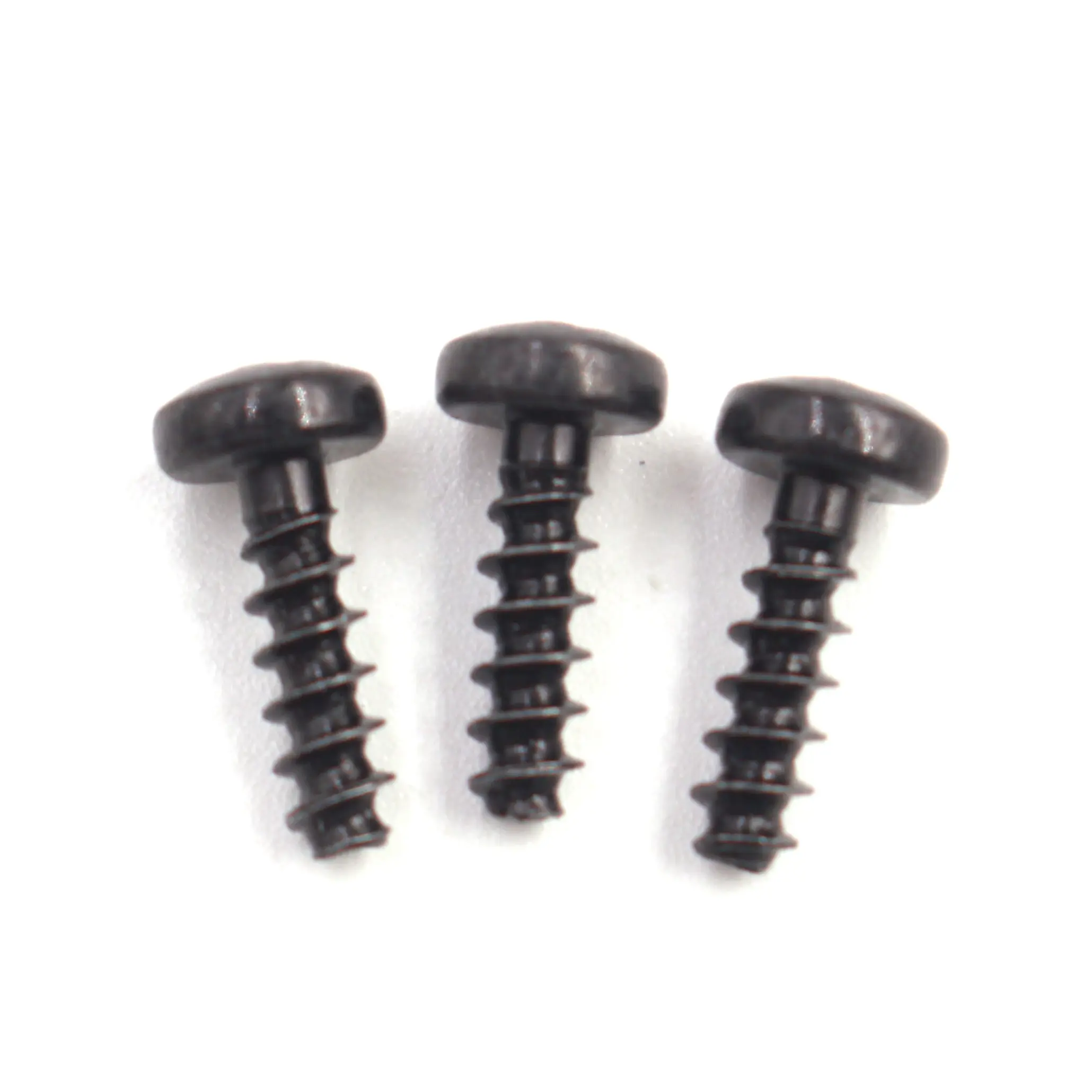
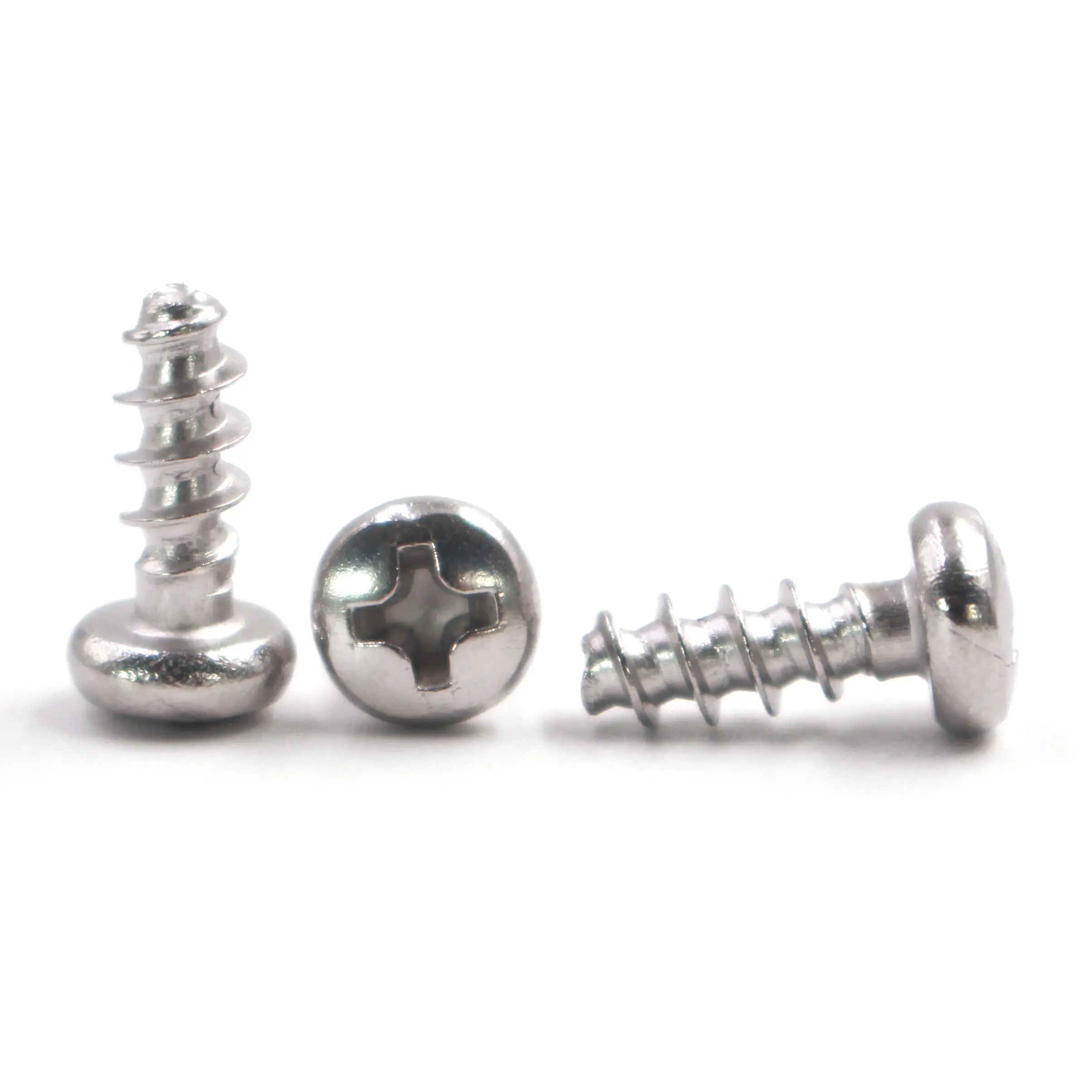
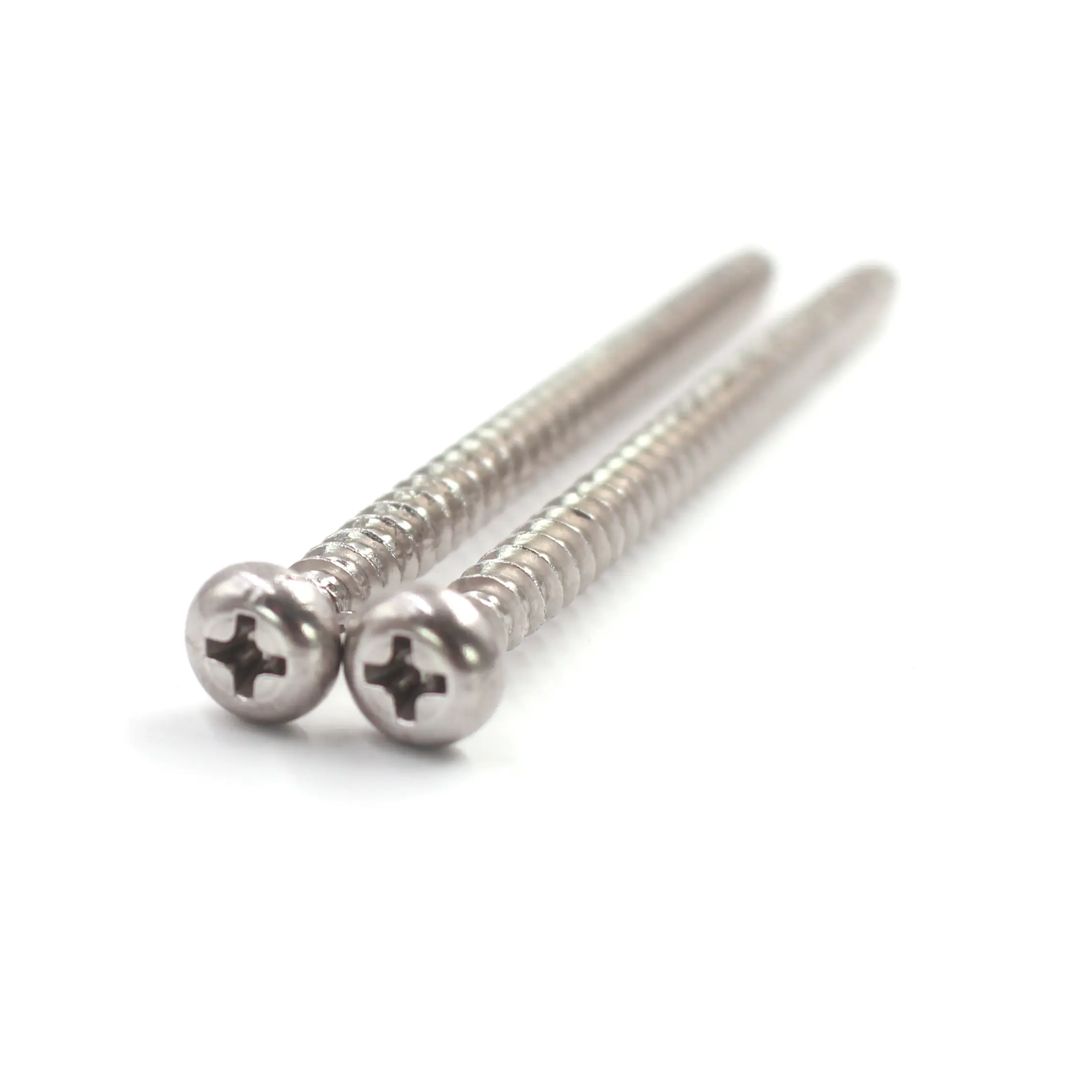
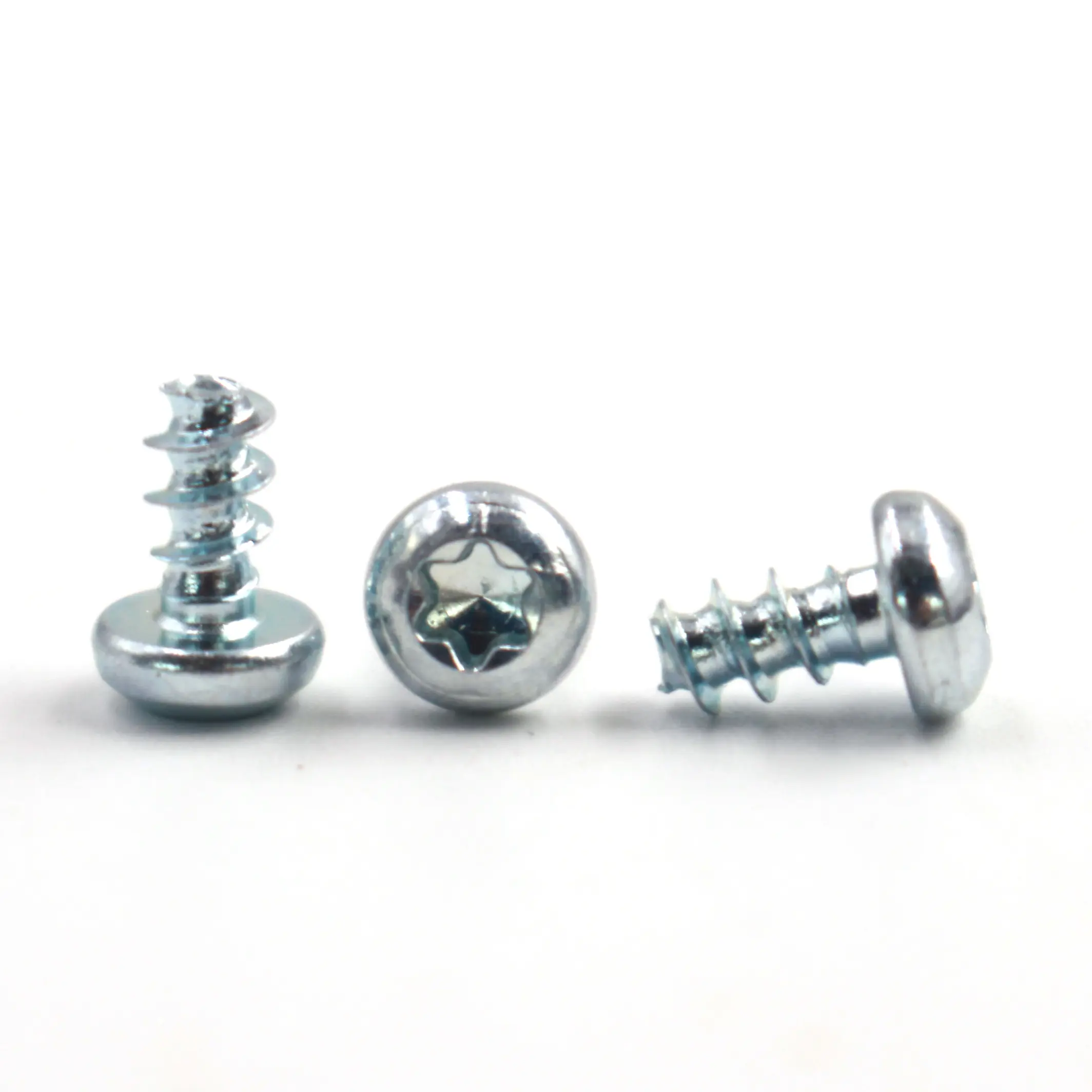
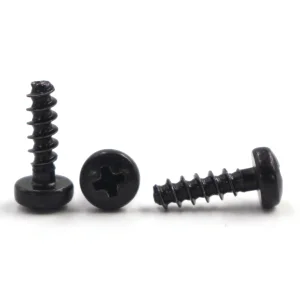
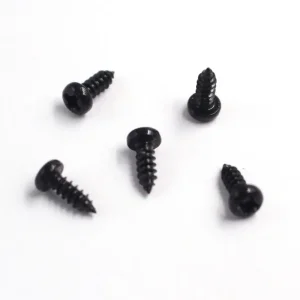
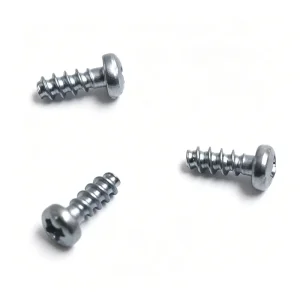
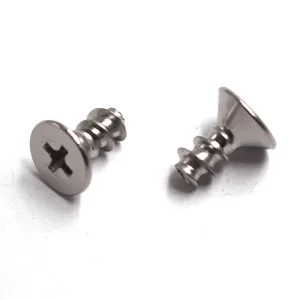
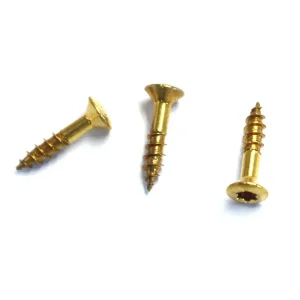
OEM non standard fasteners factory OEM ODM custom SUS304 316 carbon steel black oxide high durable rust proof phillips pan head TP thread screw for plastic Supplier, Suppliers
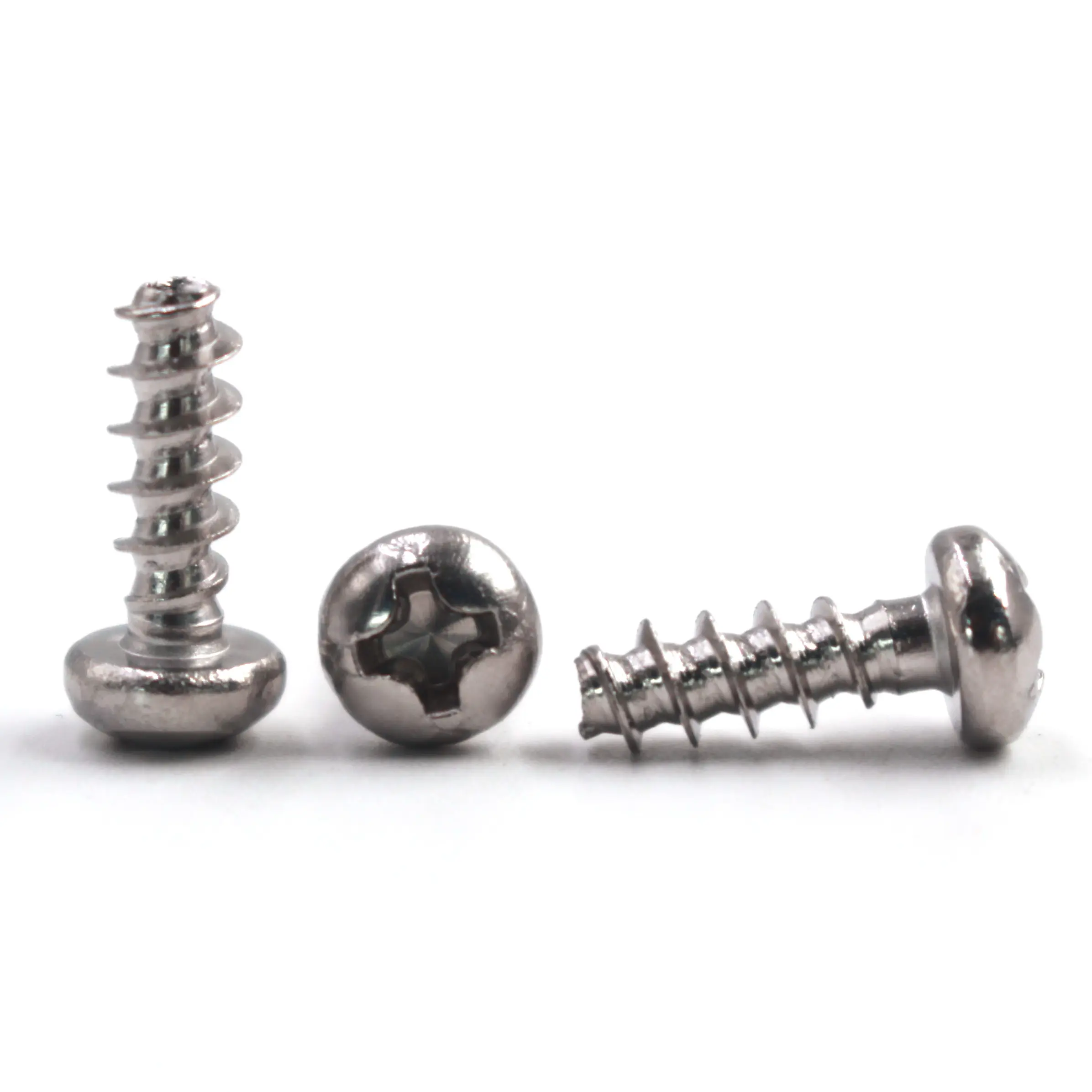
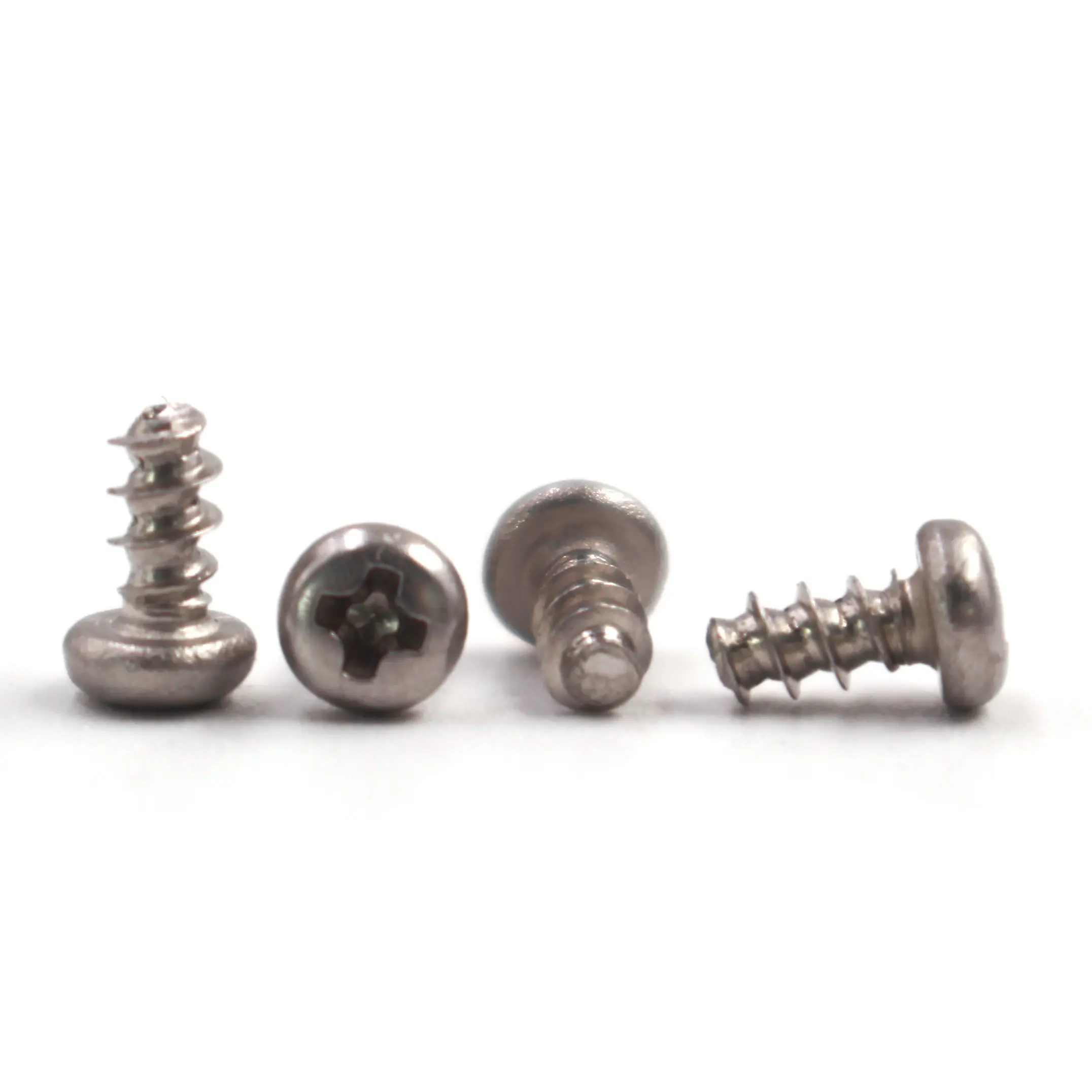
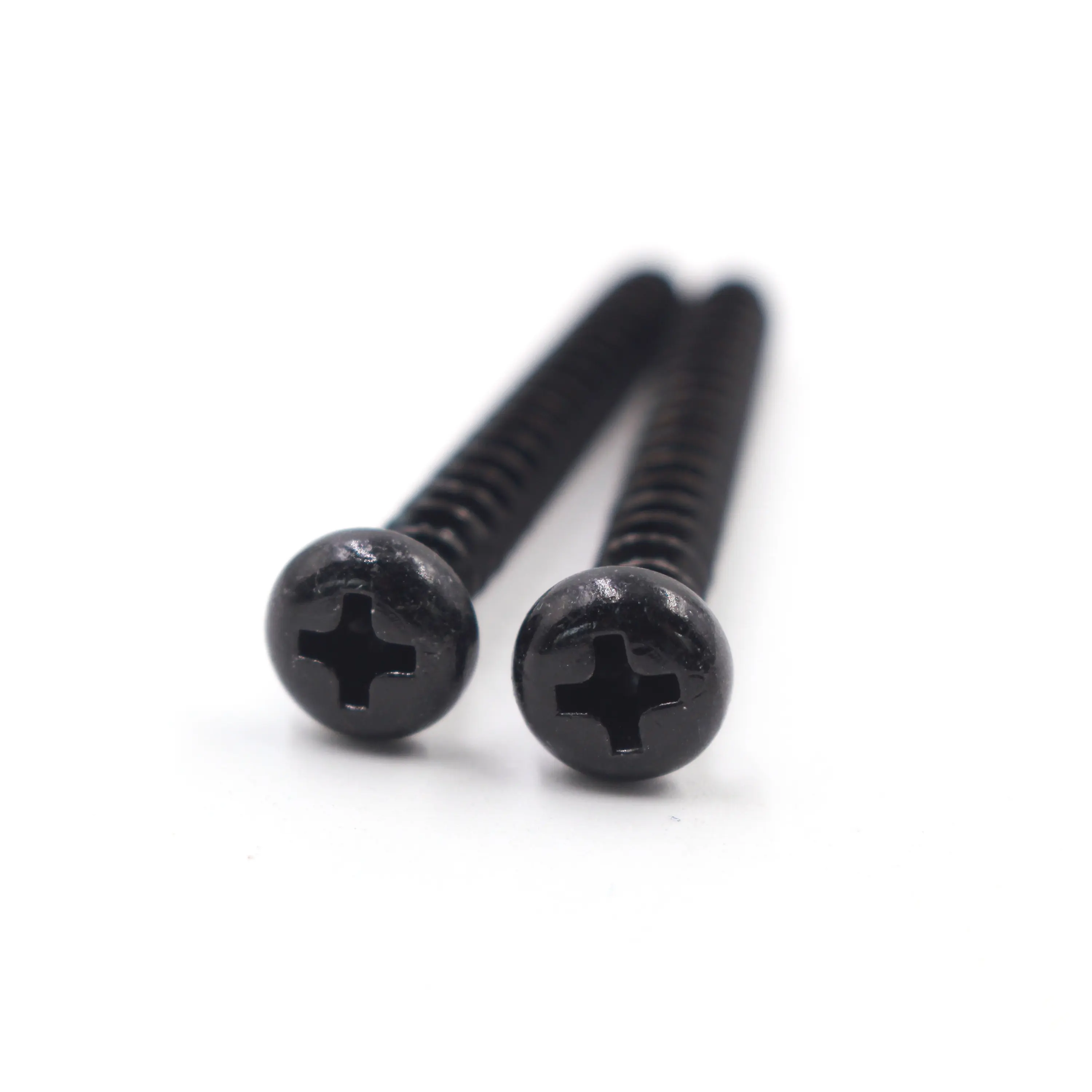
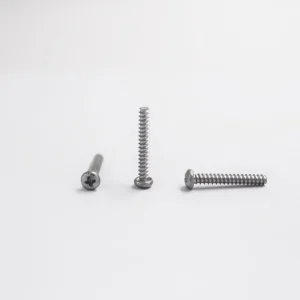
Cross recess pan head PT self-tapping screw for plastic. Anti-loosening, anti-cracking, multiple surface finishes & full specifications, factory direct supply with custom service
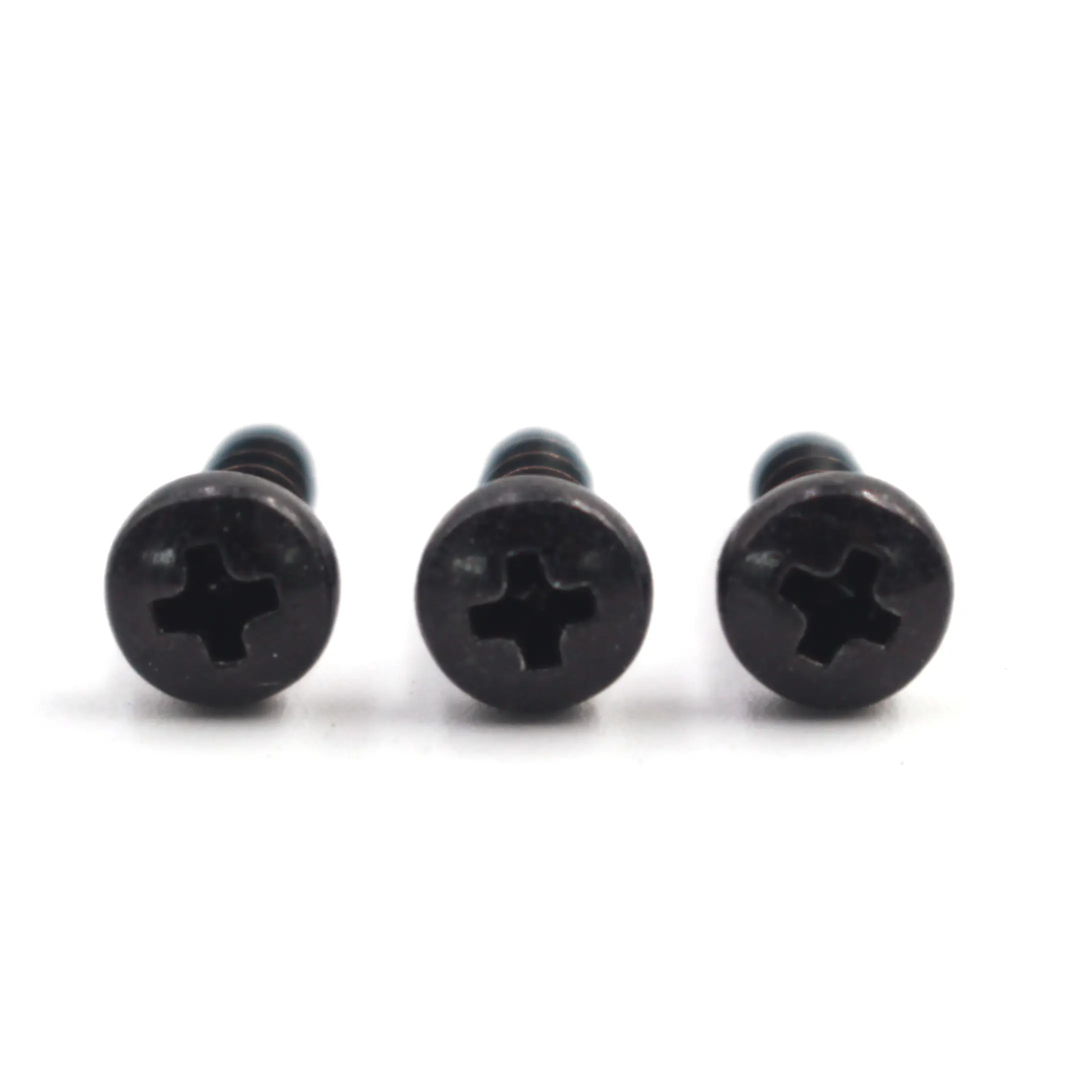
Pan Head: The head of the screw is round, like a small plate, which increases the bearing surface and protects the connected surface from damage.
Phillips: The recess on the head is cross-shaped, the most common drive type for easy installation with a Phillips screwdriver.
PT (Pressure Tightening / Precision Thread):
This is the soul of the screw and the source of its "superpower". PT stands for "Pressure Tightening" or "Precision Thread".
It represents a special thread design that creates an extremely strong and vibration-resistant connection by compressing and forming the material (especially plastic) as it is screwed in.
Conclusion: A Phillips Pan Head PT screw is a type of thread forming screw with a pan head and Phillips drive, featuring a special PT thread structure on the shank. It is an "expert" born to solve the challenges of joining plastic components.
Origin Story: The Birth of the PT Screw
The PT screw is a revolutionary innovation from the renowned German fastener manufacturer, EJOT, in the 1990s. Back then, engineers found that traditional metal screws often encountered problems when screwed into plastic parts:
Plastic Cracking: Tightening too much would crack the plastic boss.
Connection Loosening: Over time, especially in vibrating environments, the screw would gradually work itself loose.
Failure After Repeated Assembly/Disassembly: After one disassembly and reassembly, the screw might "strip" and never tighten properly again.
To solve these pain points, EJOT's engineers studied the flow properties of thermoplastics and eventually designed the PT screw. Its core design philosophy is: To minimize stress on the surrounding plastic material while forming the thread, thereby ensuring the long-term reliability and stability of the connection.
Unique Skill 1: The Gentle "30° Smile"
The PT screw's thread uses a unique 30° thread profile angle, compared to the standard 60° of traditional self-tapping screws.
Traditional Screw (60° thread angle):
When screwed in, it generates a large radial force (an outward expanding force).
This force acts like an invisible hand, pushing the plastic hole outward, easily causing the plastic part to crack, especially on brittle or thin-walled plastics.
It is more like "cutting" a thread, which often produces unwanted plastic chips.
PT Screw (30° thread angle):
The unique 30° design significantly reduces the radial force generated during installation (theoretically about half that of a 60° screw).
This "gentle" approach is very friendly to the plastic hole wall, effectively preventing cracking.
Instead of "cutting", it "forms" the thread. It acts like a mold, guiding the plastic material to flow and form a perfectly complementary internal thread.
Unique Skill 2: The "Breathing" "Dual Core Diameter"
Another secret weapon of the PT screw is its dual core diameter design. Simply put, the root diameter (core) of the PT screw's thread is larger than that of a traditional screw, which reserves more space between the threads.
Traditional Screw: The space between threads is narrow, leaving the squeezed plastic with nowhere to go, leading to stress concentration.
PT Screw: The wide thread root provides a "buffer zone" for the squeezed plastic. The plastic can flow and redistribute freely here, forming a denser and more uniform thread structure.
This design brings two major benefits:
Lower Installation Torque: The plastic flows more smoothly, making it easier to screw in, which is ideal for automated production lines.
Stronger Locking Force: The evenly distributed plastic tightly wraps around each thread of the PT screw, forming countless micro "latches", which greatly enhances the connection's resistance to loosening and pull-out.
Epic Showdown: PT Screw vs. Standard Self-Tapping Screw
Feature
Standard Self-Tapping Screw (Thread Cutting)
PT Screw (Thread Forming)
Advantage Interpretation
Operation
Cuts threads, produces chips
Forms threads by extrusion, no chips
PT screw causes less damage to the base material, resulting in a cleaner and stronger connection.
Thread Angle
60°
30°
PT screw generates less radial force, effectively preventing plastic cracking.
Radial Stress
High
Low
Same as above, especially friendly to thin-walled and brittle plastic parts.
Vibration & Loosening Resistance
Poor, prone to loosening
Excellent
The 30° thread and deep thread design provide strong self-locking ability to resist severe vibration.
Pull-out Resistance
Low
High
The deep thread design allows for deeper engagement between the screw and plastic, making pull-out more difficult.
Reusability
Poor (usually strips after 1-2 uses)
Excellent (up to 20-40 times)
PT screw causes minimal damage to the threaded hole, allowing multiple disassembly and assembly without affecting performance.
Installation Torque
Higher
Lower
Easier for manual or automated assembly, improving production efficiency.
PT screw is the "expert" for plastic joining, especially adept at handling high-strength engineering plastics.
Conclusion: The PT screw outperforms the standard self-tapping screw in almost all key performances and is the preferred solution for plastic part joining in modern industry.
Superpower List: Core Advantages of PT Screws
Ultimate Crack Prevention: The unique 30° thread angle and low radial force design act as a "guardian" for plastic parts, eliminating the heart-breaking "crack" sound when tightening screws.
Superior Vibration and Loosening Resistance: Once tightened, it's like being put under a "holding spell". Even in harshly vibrating environments like automotive engine bays or inside precision instruments, it remains immovable, ensuring long-term stable operation of the equipment.
High Connection Strength: Through perfect material forming, the PT screw forms an integrated connection with the plastic, providing extremely high pull-out and torsion resistance, greatly enhancing the safety factor.
Exceptional Durability and Maintainability: It can withstand dozens of repeated assembly and disassembly cycles, a huge advantage for products requiring repair, upgrade, or recycling.
Improved Production Efficiency: The lower installation torque and clean, chip-free installation process make it highly suitable for large-scale automated production, reducing assembly costs and defect rates.
Star Application: The "Reassurance" for Autonomous Vehicles
In autonomous vehicles, the LiDAR (Light Detection and Ranging) is a crucial sensor, acting as the car's "eyes". It needs to maintain a precise position at all times to accurately perceive the surrounding environment.
However, LiDAR modules are often installed on the roof, bumpers, etc., and are exposed to severe road vibrations, bumps, and extreme temperature changes for long periods. If the screws securing it become loose, even slightly, it can cause the laser beam to deviate, with unimaginable consequences.
The PT screw is the perfect solution to this problem. With its superior vibration and loosening resistance and its friendly connection to plastic modules, it ensures the LiDAR system remains stable and reliable throughout the vehicle's entire life cycle, serving as the "reassurance" for autonomous driving safety.
Everyday Applications: The "Unsung Heroes" Around Us
Beyond high-tech fields, PT screws are also widely used in our daily lives:
Home Appliances: Washing machines, air conditioners, microwave ovens, vacuum cleaners, etc. These appliances have numerous internal plastic components and generate vibration during operation. PT screws ensure their structural stability and safety.
Electronic Products: Laptops, tablets, smartphones, printers, copiers, etc. These products pursue thin and light designs with very thin plastic walls, and the low-stress characteristics of PT screws perfectly meet this requirement.
Office and Communication Equipment: Switches, routers, server cabinets, etc. These devices require long-term stable operation and have extremely high requirements for connection reliability.
Automotive Industry: Besides LiDAR, the connection of numerous plastic components in car interiors, dashboards, door panels, and headlights all extensively use PT screws.
Frequently Asked Questions (FAQ)
Q What is the main difference between a PT screw and a standard self-tapping screw?
Standard self-tapping screws feature a 60° thread angle that cuts into materials, often causing high radial stress, micro-cracks, and plastic chips. PT screws use an optimized 30° thread profile and dual-core geometry that forms threads through plastic displacement, avoiding cracking and providing significantly higher pull-out resistance.
Q Why does the 30° thread angle prevent plastic boss cracking?
The narrower 30° thread profile reduces outward radial expansion force to approximately half that of a conventional 60° thread. This minimized radial pressure keeps thin walls and brittle thermoplastic bosses intact during tightening.
Q Can Phillips Pan Head PT screws be reused multiple times?
Yes. Because the PT thread gently forms rather than tears or cuts the internal mating plastic thread, the female thread remains structurally sound. This allows PT screws to be repeatedly assembled and disassembled 20 to 40 times without stripping.
Q What plastic materials are best suited for PT screws?
PT screws are engineered primarily for thermoplastics, including ductile polymers and filled materials such as glass-fiber-reinforced plastics (GFRP), ABS, polycarbonate (PC), and polyamide (PA/Nylon).
Q How does the dual core diameter benefit automated assembly lines?
The dual core diameter provides a generous flow zone for the displaced thermoplastic material. This reduces installation driving torque while enhancing locking torque, making high-speed automated fastening smoother, repeatable, and less prone to strip-out.
Q Why are PT screws essential in automotive LiDAR and camera housings?
Automotive sensor systems like LiDAR require extreme alignment precision while withstanding intense thermal cycles and continuous road vibration. The exceptional vibration resistance and self-locking capability of PT screws prevent loosening and sensor misalignment.