1 / 4
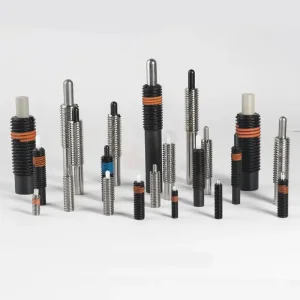
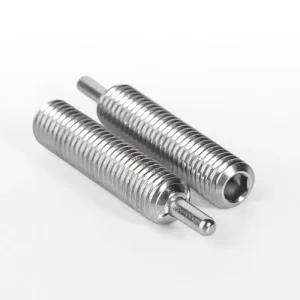
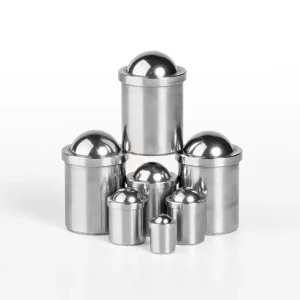
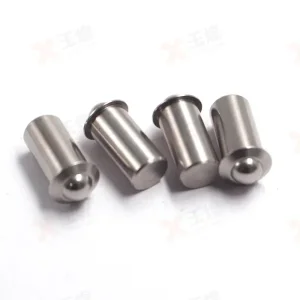
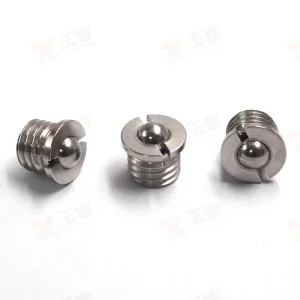
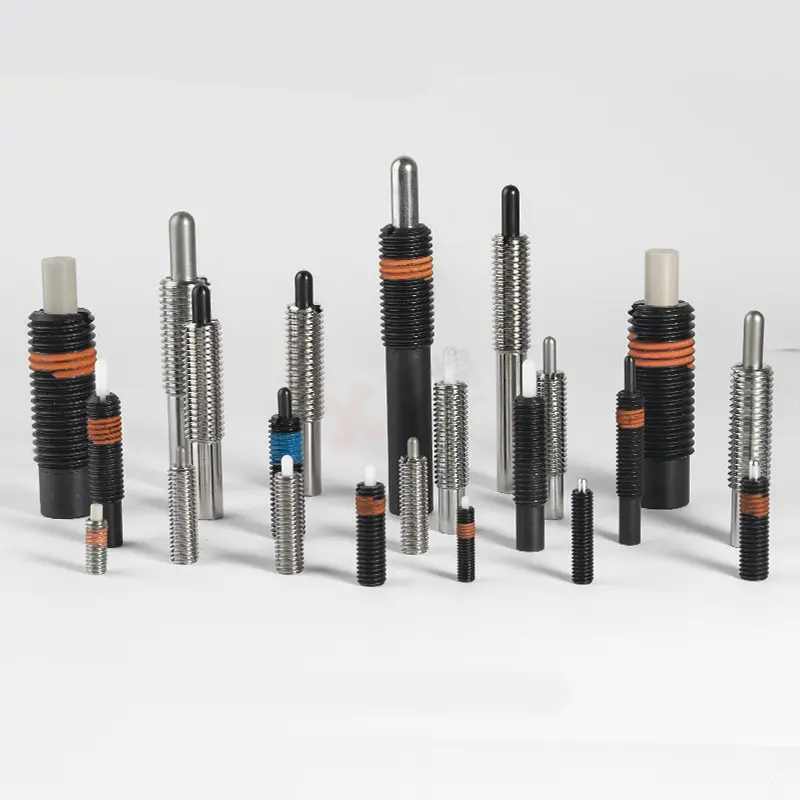
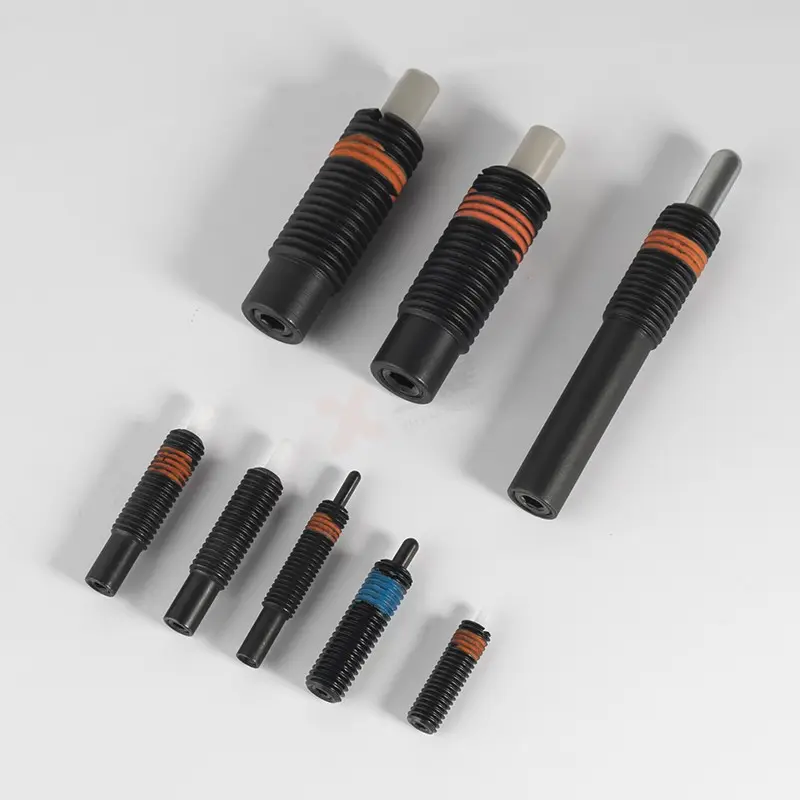
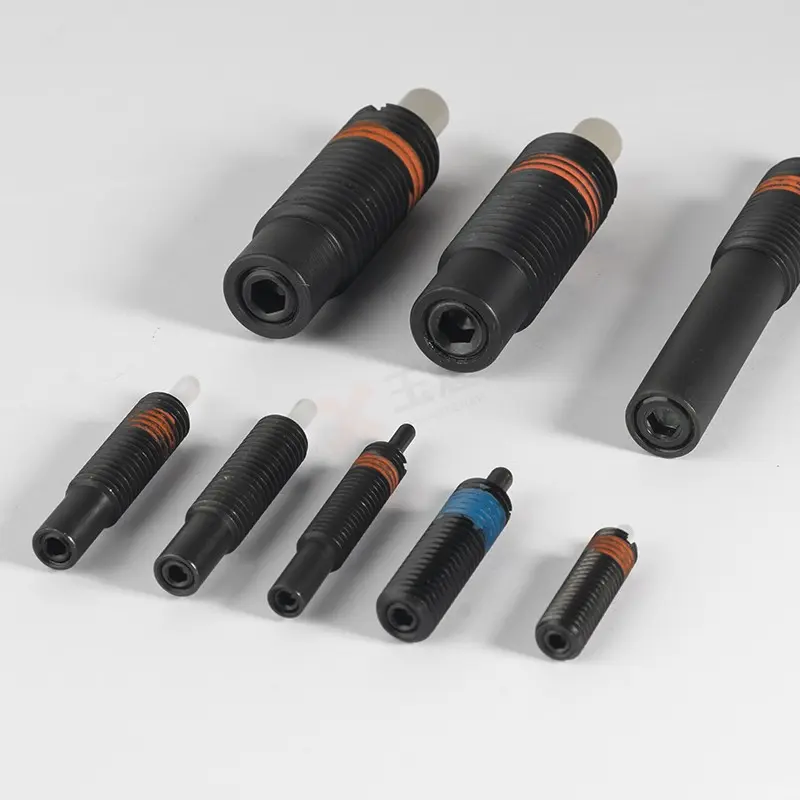
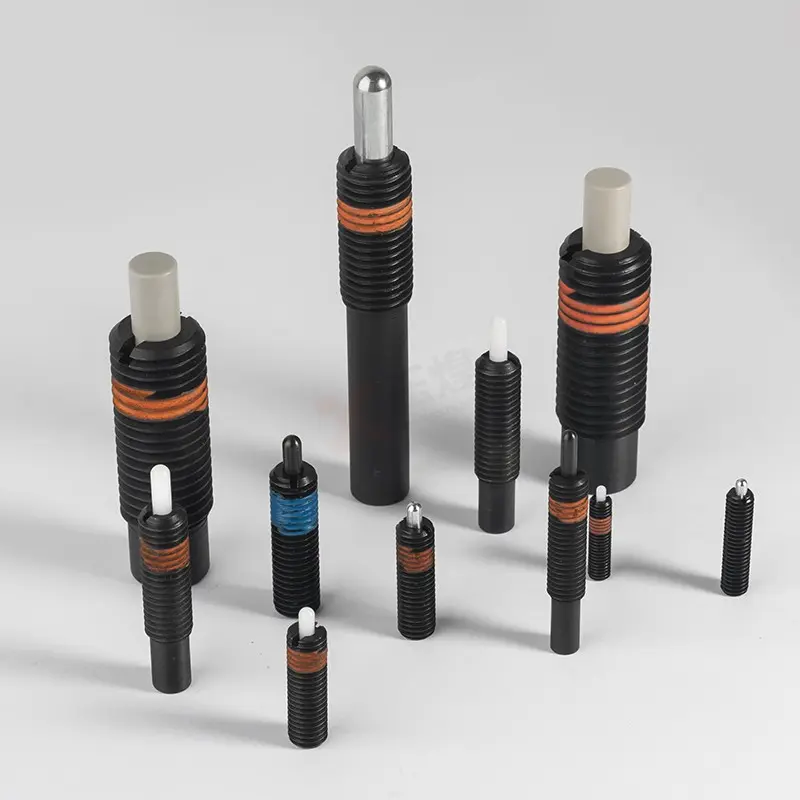
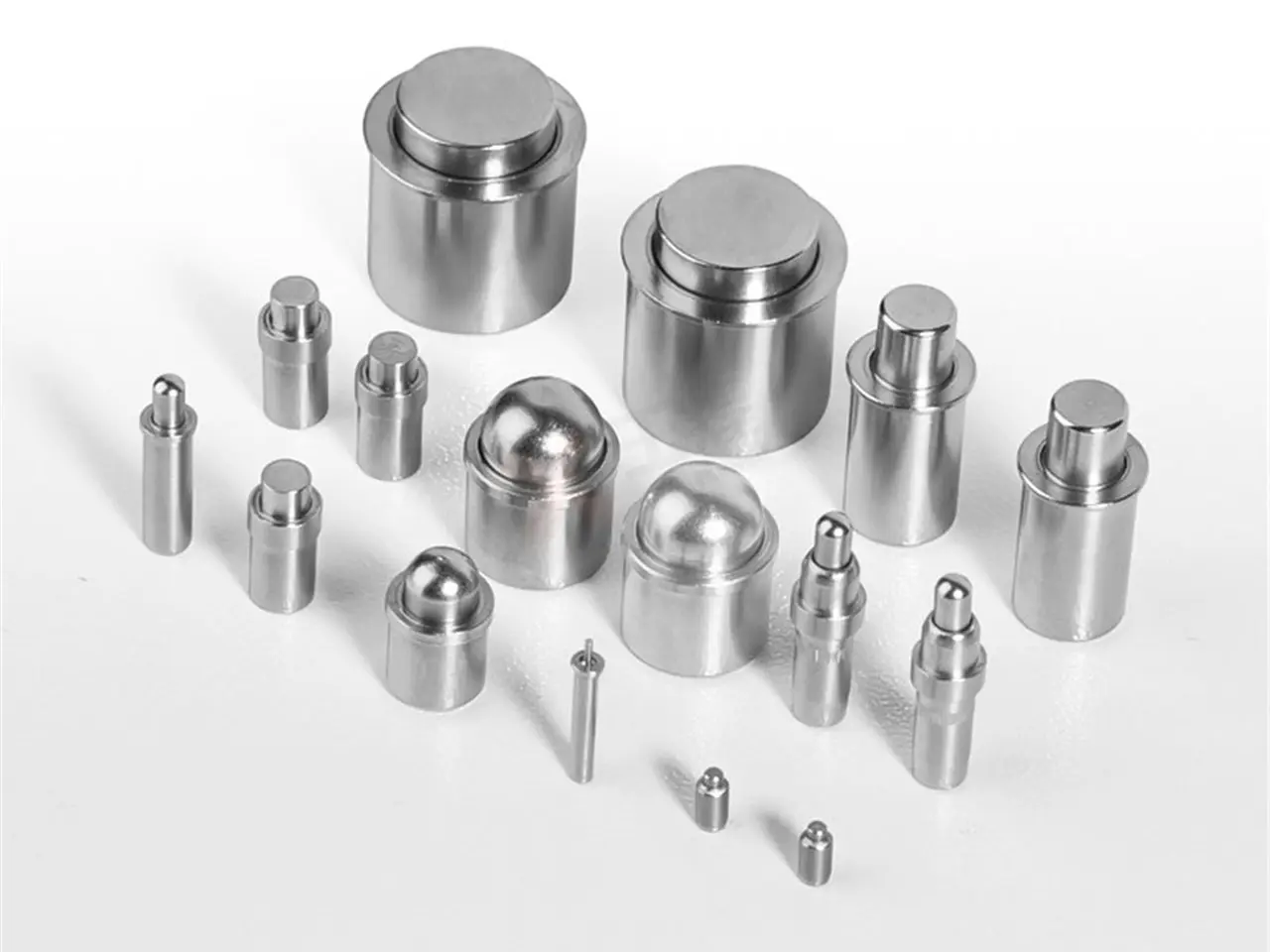
Spring plungers (also called ball plungers or positioning beads) are go-to fasteners for precision manufacturing and automation work. They are designed as a single integrated structure: a spring is embedded in a hollow casing, and its spherical or pointed end can provide stable pressure and precise positioning each time. Compared to using ordinary springs, these pistons eliminate the need for complex installation procedures and can prevent components from moving under pressure - engineers rely on them to perform tasks such as clamping, positioning, locking and ejection.
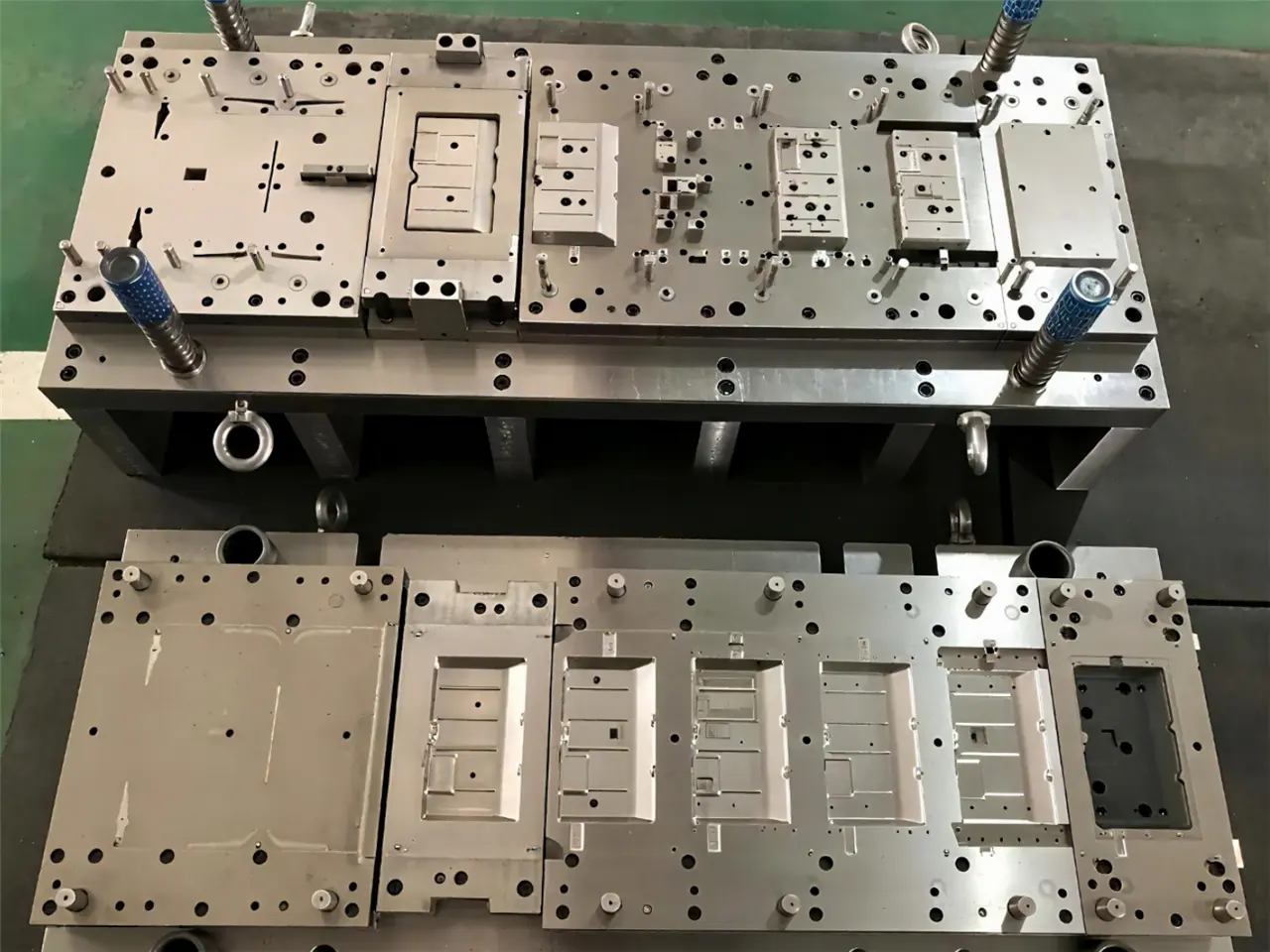
Perfect for mold core reset, stamping die guidance, and workpiece clamping—helps cut down product burrs and boost quality.

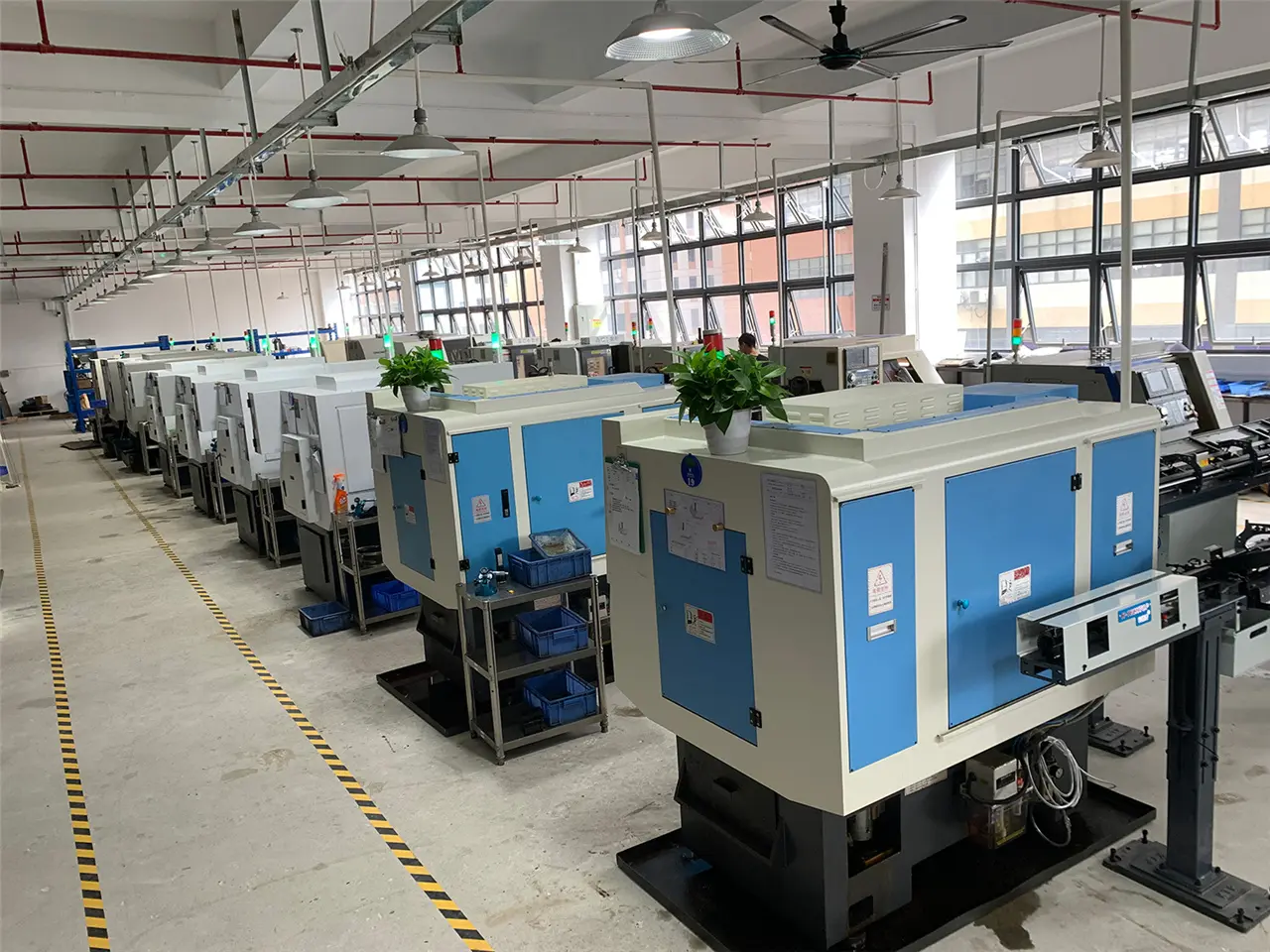
Used for indexing positioning and buffer stopping on production lines, Supports 24-hour continuous operation.

Meets automotive-grade vibration and temperature requirements—ideal for seat adjustments and sensor fixing.
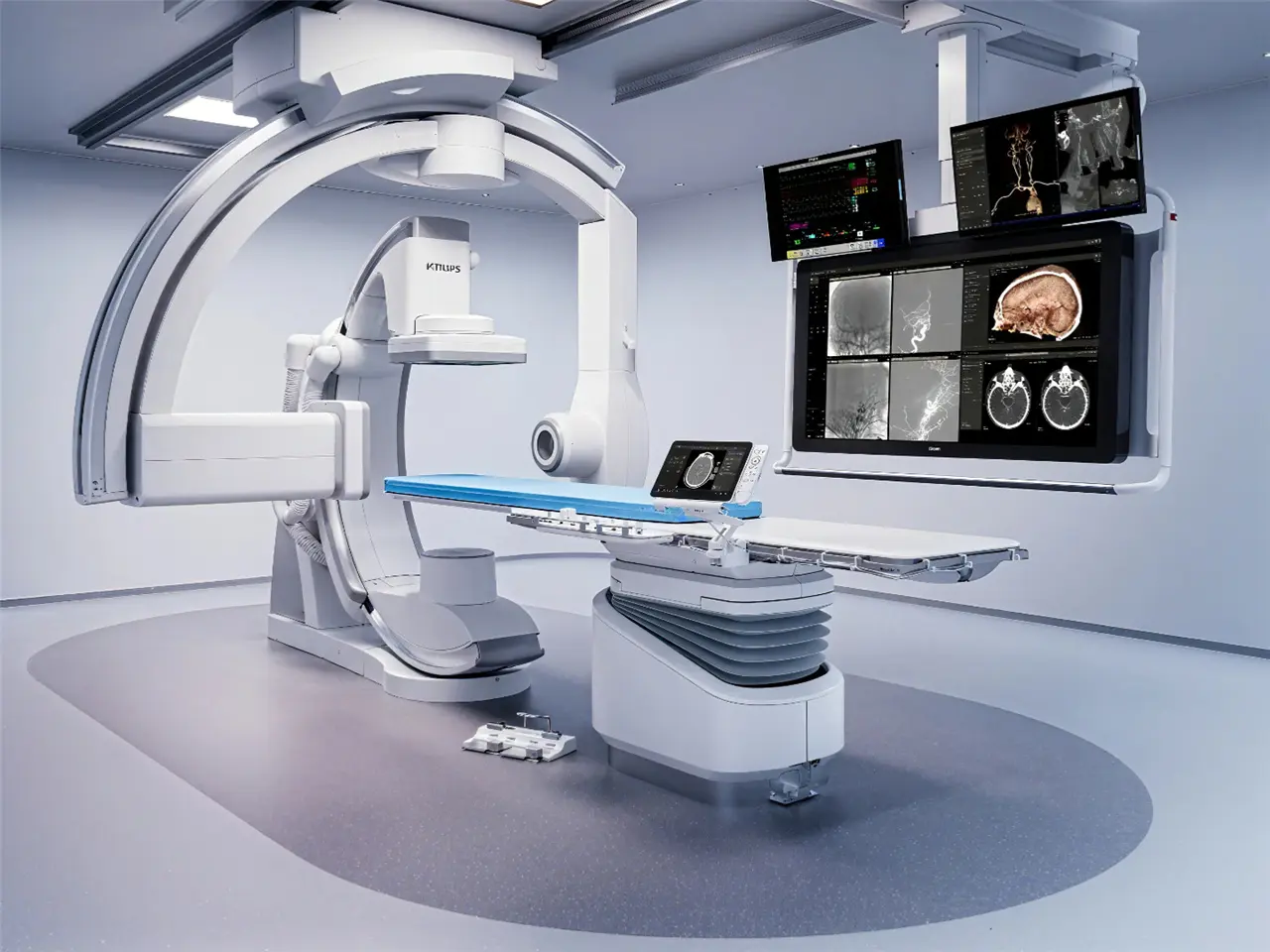
Complies with cleanroom standards, so it’s safe for precision positioning in medical devices.
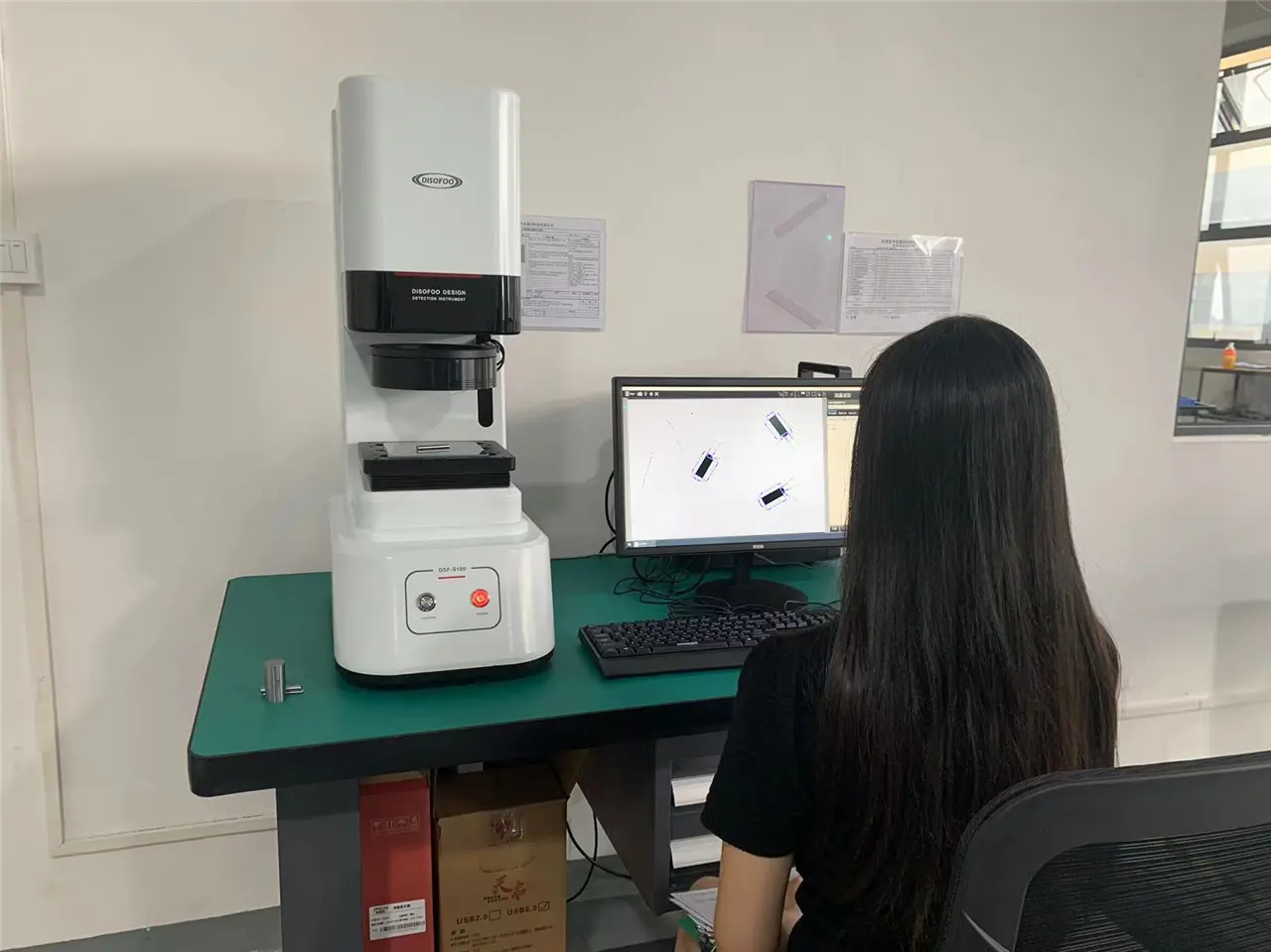

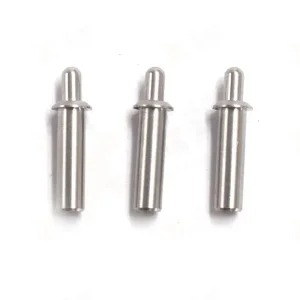
A ball plunger utilizes a spherical ball at its tip, providing smooth multidirectional rolling contact ideal for indexing and detent applications. A pin-style spring plunger features a rounded or pointed pin, offering deeper engagement and higher lateral force resistance for heavy-duty clamping.
Steel and stainless steel tips are ideal for heavy loads and high-wear industrial applications. Nylon tips prevent scratching on sensitive or softer materials like aluminum and plastics. Ceramic tips offer excellent wear resistance, non-magnetic properties, and high-temperature electrical insulation.
Our spring plungers can be configured with anti-loosening thread elements, such as integrated nylon locking patches or micro-encapsulated threadlockers, ensuring secure positioning in high-frequency vibrational environments.
Manufactured with high-grade 304 stainless steel springs, these components are tested to withstand over 500,000 continuous cycles with preload force attenuation kept under 5%, providing stable positioning throughout extended duty cycles.
Yes, we provide customization options including custom body dimensions, metric and imperial thread profiles, tailored spring loads, and specialized surface treatments to meet specific engineering criteria.
Standard configurations perform stably between -30°C and 150°C. For extreme temperature operating environments, alternative alloys and spring materials can be specified.