Explore our cold-forged precision micro-tapping screws, flush-mount machine screws, and sealing fasteners built specifically for automated SMT housings, lightweight magnesium shells, and sensitive micro-assemblies.
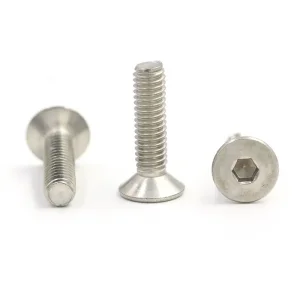
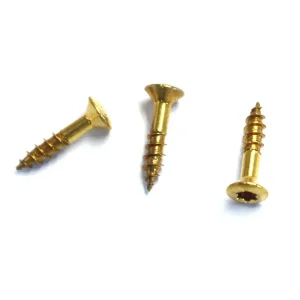
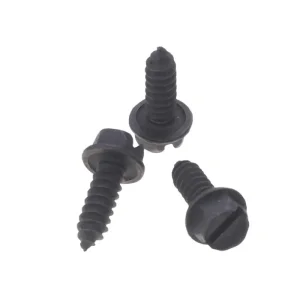
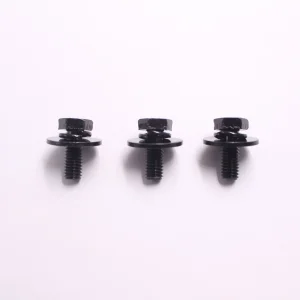
In high-density electronics, tapping fasteners do not merely secure two components; they govern thermal conductivity paths, electromagnetic compatibility (EMC) chassis grounding, and structural resonance dampening.
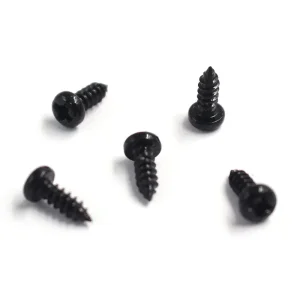
Electronics tapping screws are classified under two primary metallurgical paradigms: thread-cutting (Type F, Type BF) and thread-forming (DIN 7500, trilobular profiles). In thermoplastic resin housings (PC/ABS, PBT, Polyamide), thread-forming cold-flows the matrix without producing particulate debris that causes PCB shorts.
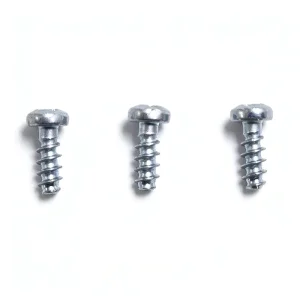
Standard circular threads create excessive radial hoop stress, inducing micro-cracking in polymer bosses. Our proprietary trilobular cross-section concentrates forming force at three relief crests, reducing initial driving torque by 35% to 50% while expanding the safe margin before thread stripping.
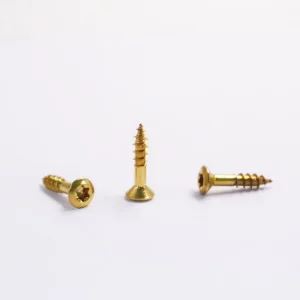
Modern ultra-slim consumer devices and camera sensor gimbal assemblies demand sub-millimeter fasteners. We manufacture cold-forged precision self-tapping screws starting at M0.6 nominal diameter with thread pitch tolerances controlled to within ±0.015mm via multi-die header stations.
The electronics hardware manufacturing ecosystem is undergoing unprecedented structural decentralization. Tier-1 OEMs are establishing dual-redundant manufacturing architectures across APAC, EMEA, and the Americas.
Dongguan, Shaoguan, and Wuhan facilities leverage fully integrated regional supply ecosystems: raw alloy wire drawing, precision carbide heading tool shops, automated heat-treatment chambers, and specialized electroplating zones within a 50km logistics radius.
The convergence of Battery Management Systems (BMS), ADAS radar/LiDAR modules, and AI edge servers has shifted fastener procurement criteria. Screws are now required to guarantee vibration fatigue integrity, IP67/IP68 sealing, and high current grounding bypass performance.
We provide global vendor-managed inventory (VMI) consignment support, safety buffers, and barcode-traceable palletization to prevent assembly line standstills for electronics contract manufacturing organizations worldwide.
Reliable fastener performance in micro-electronics requires harmonious optimization of core tensile strength, surface case hardness, and micro-inch plating uniformity to resist galvanic corrosion.
| Base Material | Hardness Range | Surface Finish & Passivation | Corrosion Resistance (ASTM B117) | Key Electronics Application |
|---|---|---|---|---|
| Austenitic Stainless Steel (SUS304 / 316) | HV 210 – 320 (Strain-hardened) | Chemical Passivation, Electropolished, Black Oxide | 480 – 1000 hrs Salt Spray (Neutral) | Outdoor 5G telecommunication boxes, IP68 smartwatch chassis, camera modules |
| Martensitic Stainless (SUS410 Hardened) | HRC 38 – 45 (Through-hardened) | Trivalent Zinc, Zinc-Nickel (Zn-Ni), Passivated | 240 – 720 hrs Salt Spray | Sheet metal self-drilling into extruded 6061-T6 aluminum heatsinks |
| Case-Hardened Carbon Steel (1022A / C1018) | Surface: HV 450 – 650 Core: HV 270 – 390 |
Eco-friendly Blue/Yellow Cr3+ Zinc, Electroless Nickel | 96 – 480 hrs Salt Spray | Consumer electronics injection-molded chassis, flat-screen displays, gaming consoles |
| Lead-Free Copper Alloy / Brass (CW614N) | HRB 65 – 85 | Bright Nickel Plated, Gold Flash, Tin Plated | 96 – 240 hrs Salt Spray | High-frequency RF grounding terminals, RF shield cans, non-magnetic sensors |
| Aerospace Grade Alloy Steel (SCM435) | HRC 32 – 39 (Grade 8.8 / 10.9) | Zinc Flake (Geomet/Dacromet), Ultra-thin Black Phosphate | 720 – 1500 hrs Salt Spray (Hydrogen-Free) | Automotive electronic power inverters, high-torque industrial motor mounts |
Coupling steel fasteners with lightweight magnesium or aluminum alloy chassis in damp environments creates severe galvanic potential cells. We apply conductive Zinc-Nickel (12–15% Ni) or micro-thin organic sealers to bridge electrochemical potential while preserving electromagnetic continuity.
High-hardness carbon steel screws (≥HV 390) undergo strictly audited de-hydrogenation baking cycles within 1 to 4 hours post-acid pickling or electroplating at 200°C–220°C for 8 to 14 hours, verified through sustained load testing per ISO 15330 protocols.
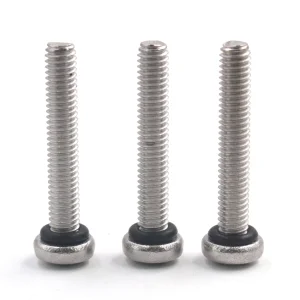
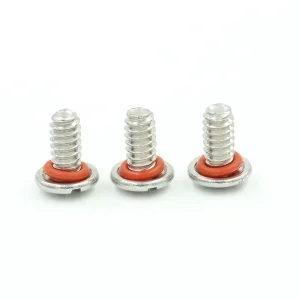
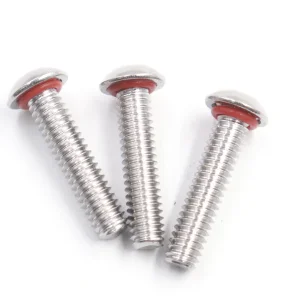
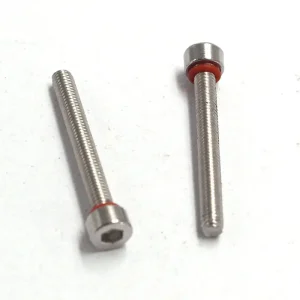
For high-shock mobile enclosures, pre-applied chemical micro-encapsulated threads (e.g., polyamide locking patches, Dri-Loc anaerobics) deliver reliable anti-loosening torque, while molded under-head fluorosilicone O-rings achieve certified IP67/IP68 hermetic ingress barriers.
Global consumer brand integrity depends on rigorous compliance at every tier. A single non-compliant lot can trigger customs delays, border impoundments, or costly environmental penalties.
Full 100% compliance with EU Directive 2015/863 (RoHS 3) and current REACH Candidate List of Substances of Very High Concern (SVHC). Lead, cadmium, hexavalent chromium (Cr6+), mercury, PBB/PBDE, and phthalates are strictly excluded via regular XRF spectrometer verification.
Components adhere to IEC 61249-2-21 halogen-free criteria (<900 ppm Cl, <900 ppm Br, <1500 ppm total halogens). All raw wire stock complies with the Responsible Minerals Initiative (RMI) under Section 1502 of the Dodd-Frank Act (Conflict-Free 3TG supply tracking).
Every cold heading, thread-rolling, and plating line operates within certified IATF 16949 quality management systems. APQP, PPAP Level 3 documentation, FMEA analysis, Control Plans, and Full Material IMDS entries are provided for global automotive electronics assemblies.
High-speed glass-plate CCD optical vision systems inspect 100% of finished lots at up to 1,200 parts/min. Parameters checked include head height, major/minor thread diameter, pitch consistency, recess concentricity, burrs, and plating flaws to guarantee sub-25 PPM performance.
From micro-scale mobile wearables to high-current automotive battery control modules, selecting the correct thread engagement formula, boss internal diameter, and drive interface is critical.
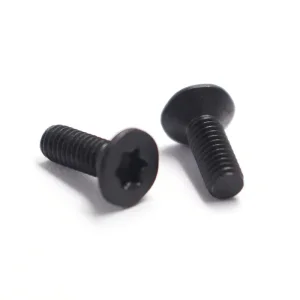
Demands non-magnetic SUS316 or titanium fasteners down to M0.8. Thin wafer head geometry prevents interference with high-capacity lithium pouch cells and flexible printed circuits (FPC), while 6-Lobe Torx recesses ensure smooth robotic bit engagement without cam-out damage.
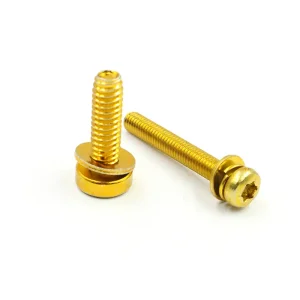
Requires high-strength carbon steel or SUS410 tapping screws equipped with pre-assembled sealing washers or vulcanized under-head EPDM gaskets. These components fasten die-cast aluminum heat sinks and battery module enclosure covers with verified IP67 water/gas sealing.
Fasteners must withstand atmospheric sulfur dioxide, maritime salt spray, and extreme ultraviolet exposure. Zinc-Nickel or passivated SUS304 self-tapping screws hold masthead antenna enclosures tight without thread seizing, galling, or interfacial contact degradation.
For trouble-free thread forming in ABS/Polycarbonate structures: Inner Boss Hole Diameter dh ≈ 0.80 ∼ 0.85 × d (Nominal Screw Diameter); Outer Boss Diameter Dboss ≈ 2.0 ∼ 2.5 × d; Thread Engagement Depth Le ≥ 2.0 × d. This prevents hoop stress rupture while maximizing the strip-to-drive safety torque factor: Tstrip / Tdrive ≥ 3.0.
As electronic product architectures evolve toward higher modularity, recycled chassis resins, and fully lights-out robotic assembly cells, precision fastener engineering is progressing along three main axes:
Integration of piezoelectric acoustic emission sensors inside multi-station cold-heading dies detects micro-cracking and wire grain deformation in real-time. This eliminates thread-crest defects before rolled batches ever reach the furnace, driving PPM defect rates down toward absolute zero.
Recycled plastics exhibit inconsistent melt flow indexes and altered flexural modulus. We have developed asymmetric thread profiles with variable 30°/60° flank angles to reduce radial hoop stress by 40%, preventing boss crazing across recycled resin matrix blends.
Micro-screws used in automated robotic pick-and-place lines are prone to magnetic jamming. Our parts undergo controlled demagnetization (<0.5 Gauss residual) and feature chamfered head-to-shank transitions that prevent jamming in blow-feed track delivery systems.
Explore our heavy-duty self-sealing structural fasteners, corrosion-resistant stainless-steel assemblies, and specialized self-tapping fasteners for multi-industry production lines.
Authoritative technical answers to common questions asked by mechanical project leaders, DFM specialists, and global supply managers.
For automated robotic assembly, we recommend an assembly torque set to approximately 1/3 of the ultimate strip torque, ensuring a minimum safety factor: Tstrip / Tdrive ≥ 3.0. This prevents operator or robotic over-torque while ensuring tight joint clamp preload without stripping delicate thermoplastic boss threads.
Screws hardened to ≥HV 390 (such as case-hardened 1022A or through-hardened SUS410) undergo strictly controlled oven baking at 200°C–220°C for 8 to 14 hours within 1 to 4 hours after electroplating. Every production batch is certified via 48-hour pre-stress load testing per ISO 15330.
Electroless Nickel or high-nickel alloy electroplating (Zinc-Nickel with 12–15% Ni content) combined with high-grade trivalent passivation provides the closest galvanic compatibility with magnesium and aluminum alloys. This keeps electrochemical potential differences below 0.15V to prevent galvanic erosion.
Yes. Because thread-forming geometries cold-work the plastic rather than cutting and removing it, the internal mating thread remains intact. When field technicians re-install the screw, they should gently turn it counter-clockwise by hand until it drops into the existing thread groove before torquing to preserve full pull-out strength.
Our quality system pairs multi-station cold headers with high-speed automated glass-plate optical CCD vision inspection. Automated cameras verify 360° profile dimensions, head integrity, and recess cleanliness at up to 1,200 parts/min before parts proceed to nitrogen-sealed clean packaging.
Torx (Hexalobular) and Torx Plus are the preferred standards for automated lines. They provide a 0° drive angle that prevents cam-out force, significantly extends screwdriver bit lifespans, and eliminates axial pressure spikes that can crack fragile PCB sub-assemblies.
