1 / 5
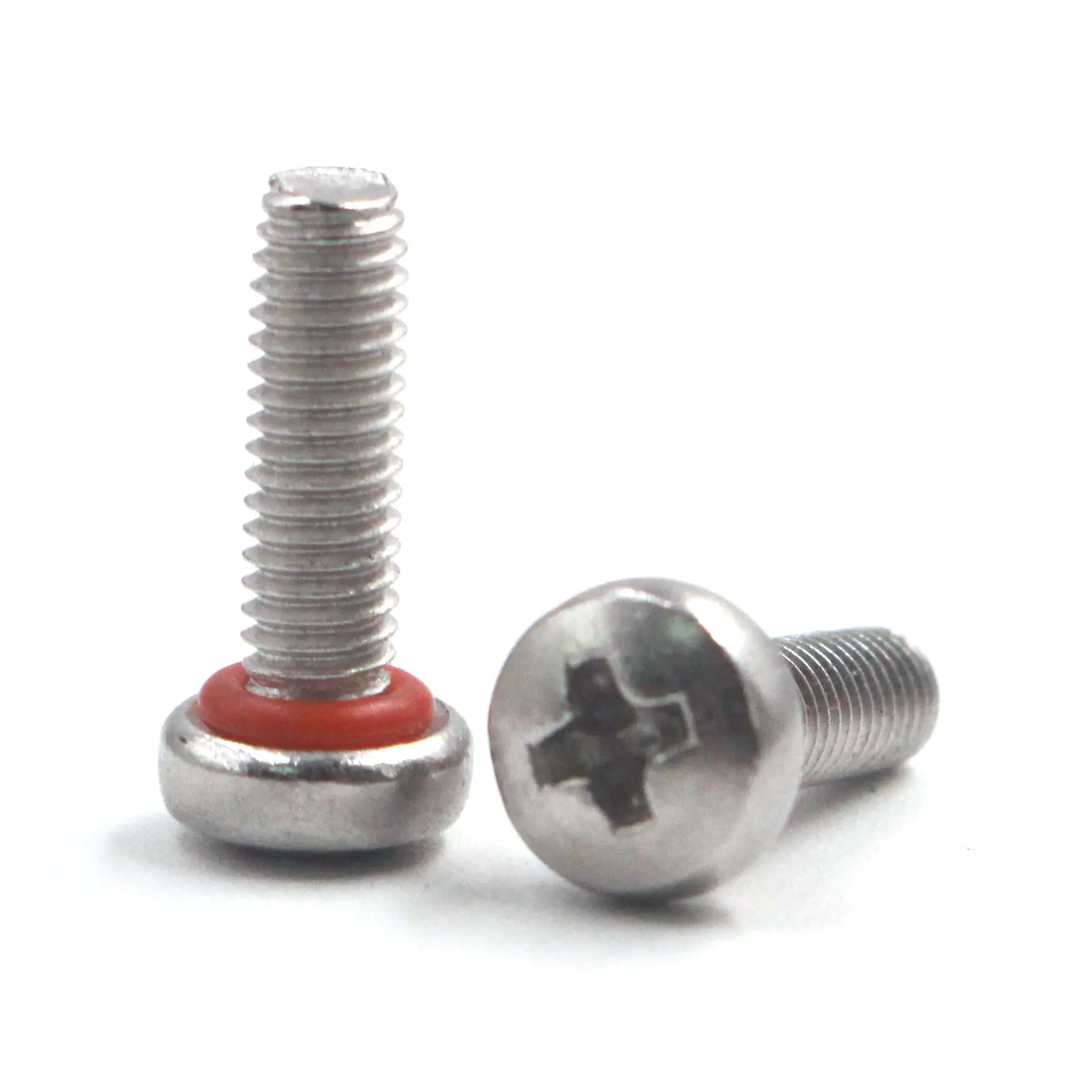
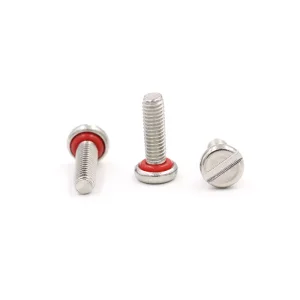
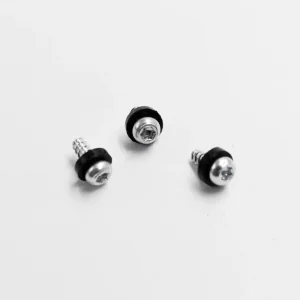
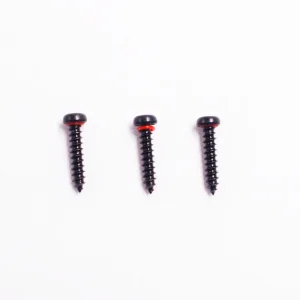
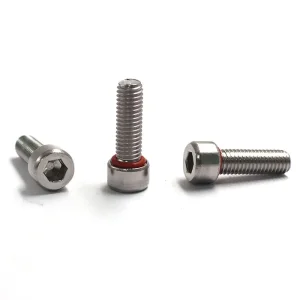
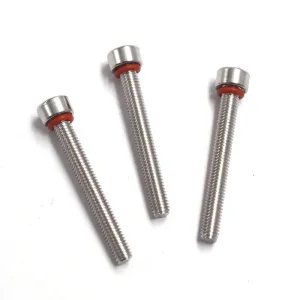
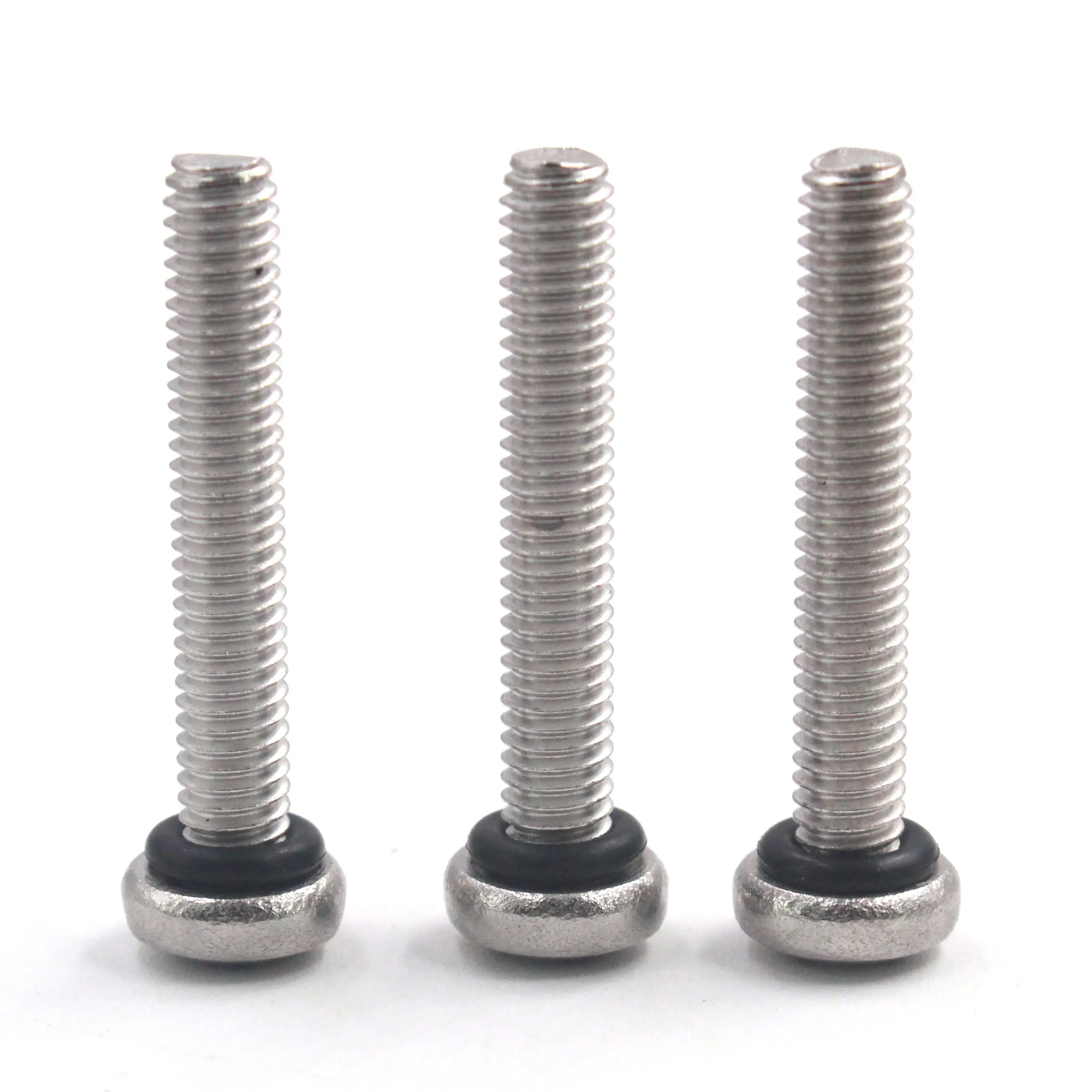
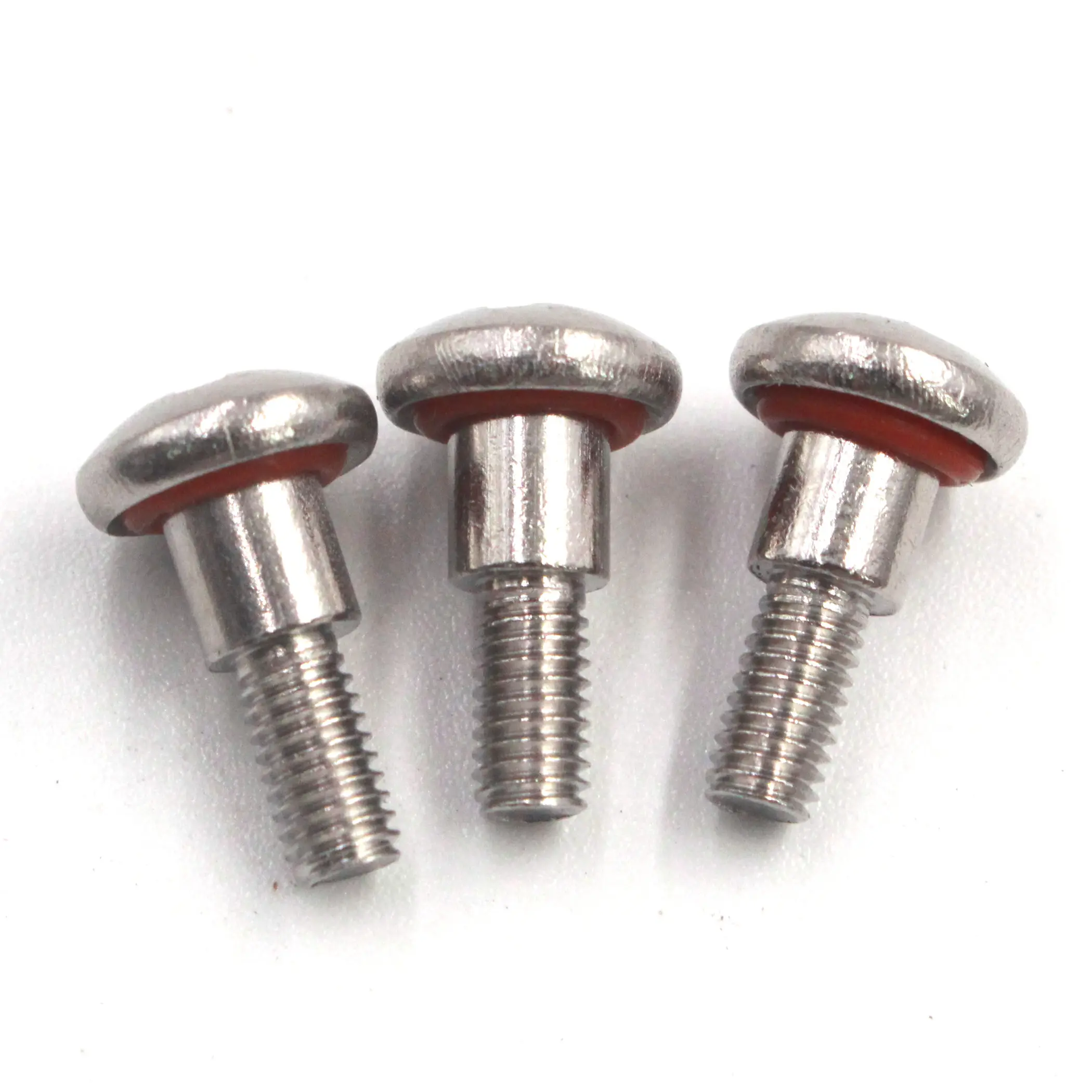
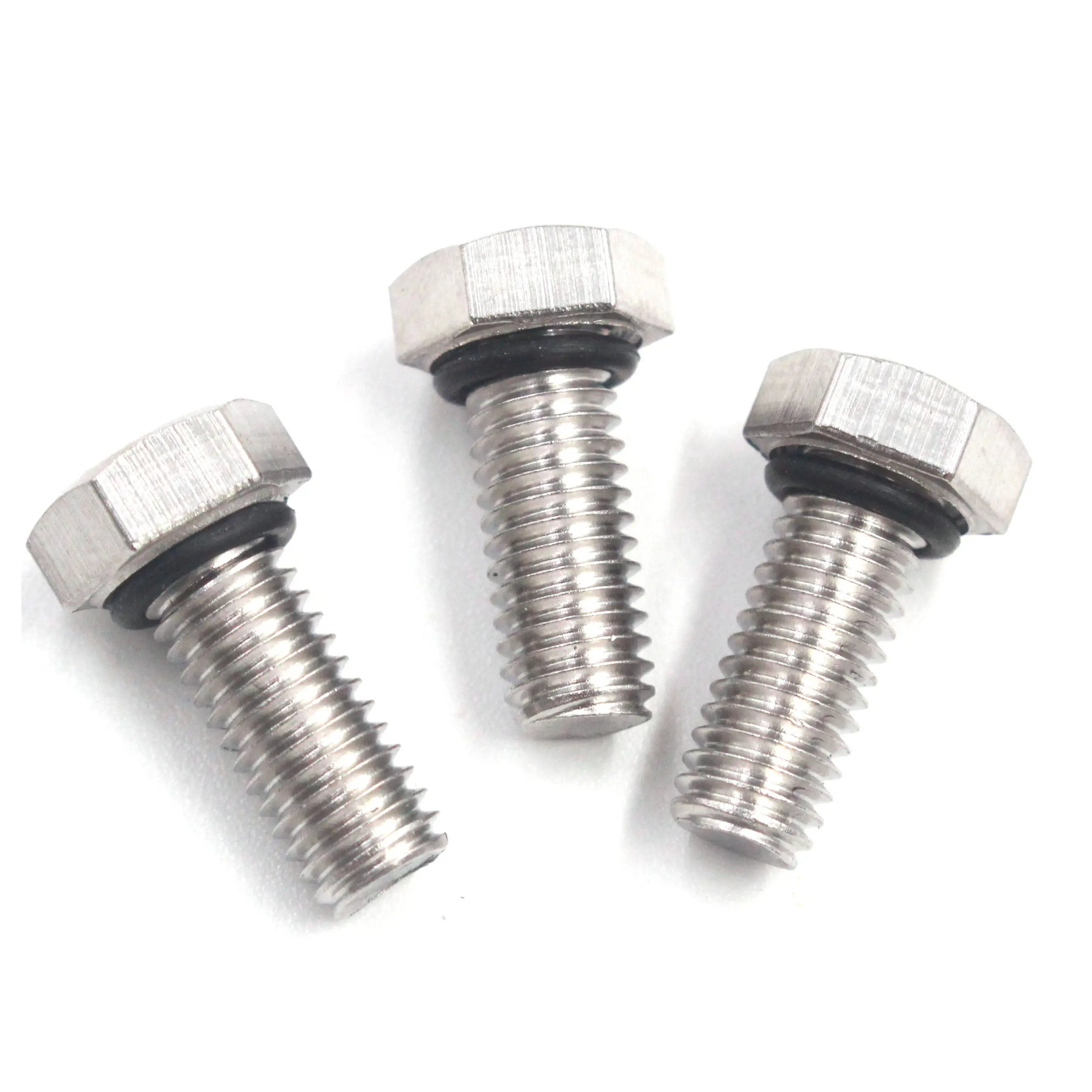
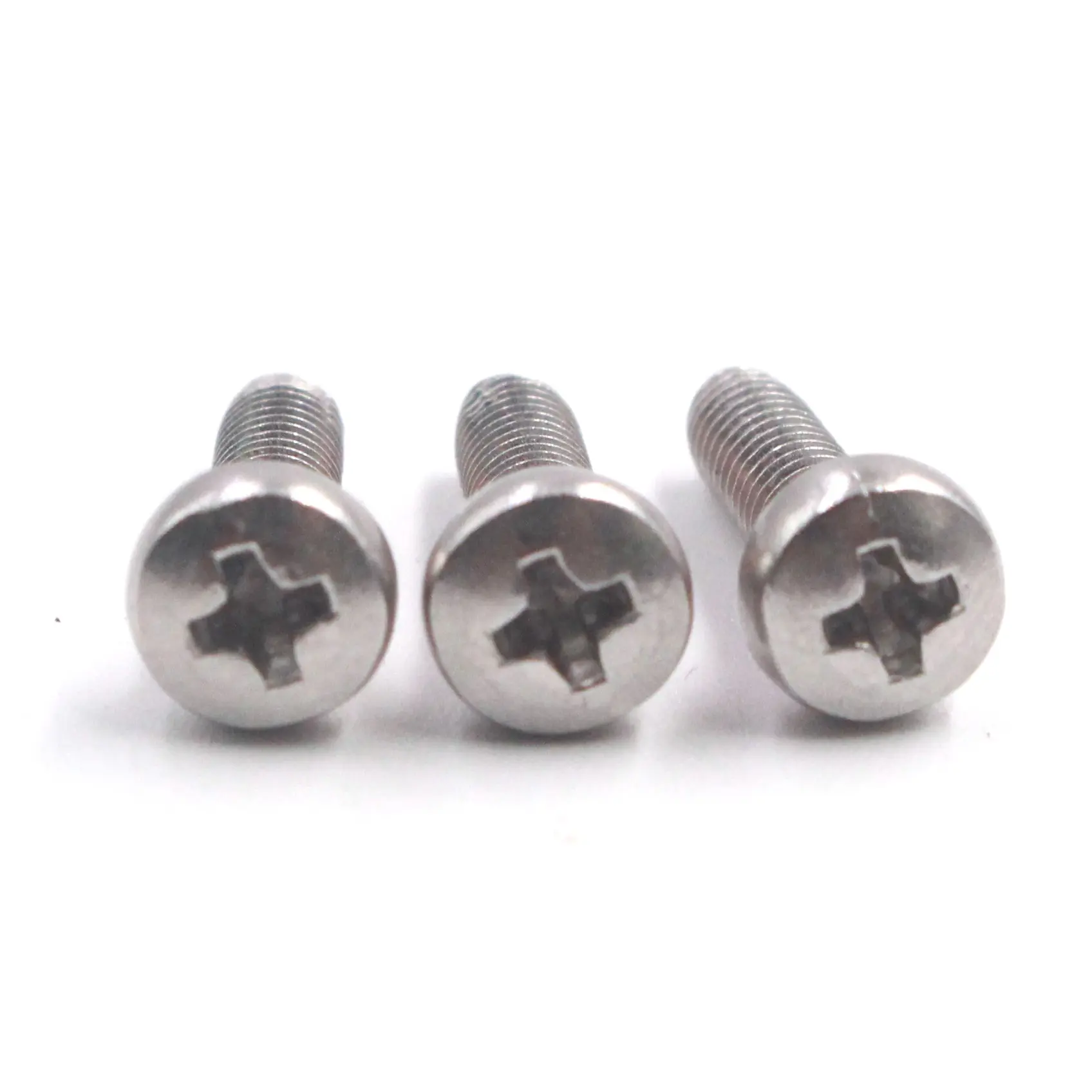
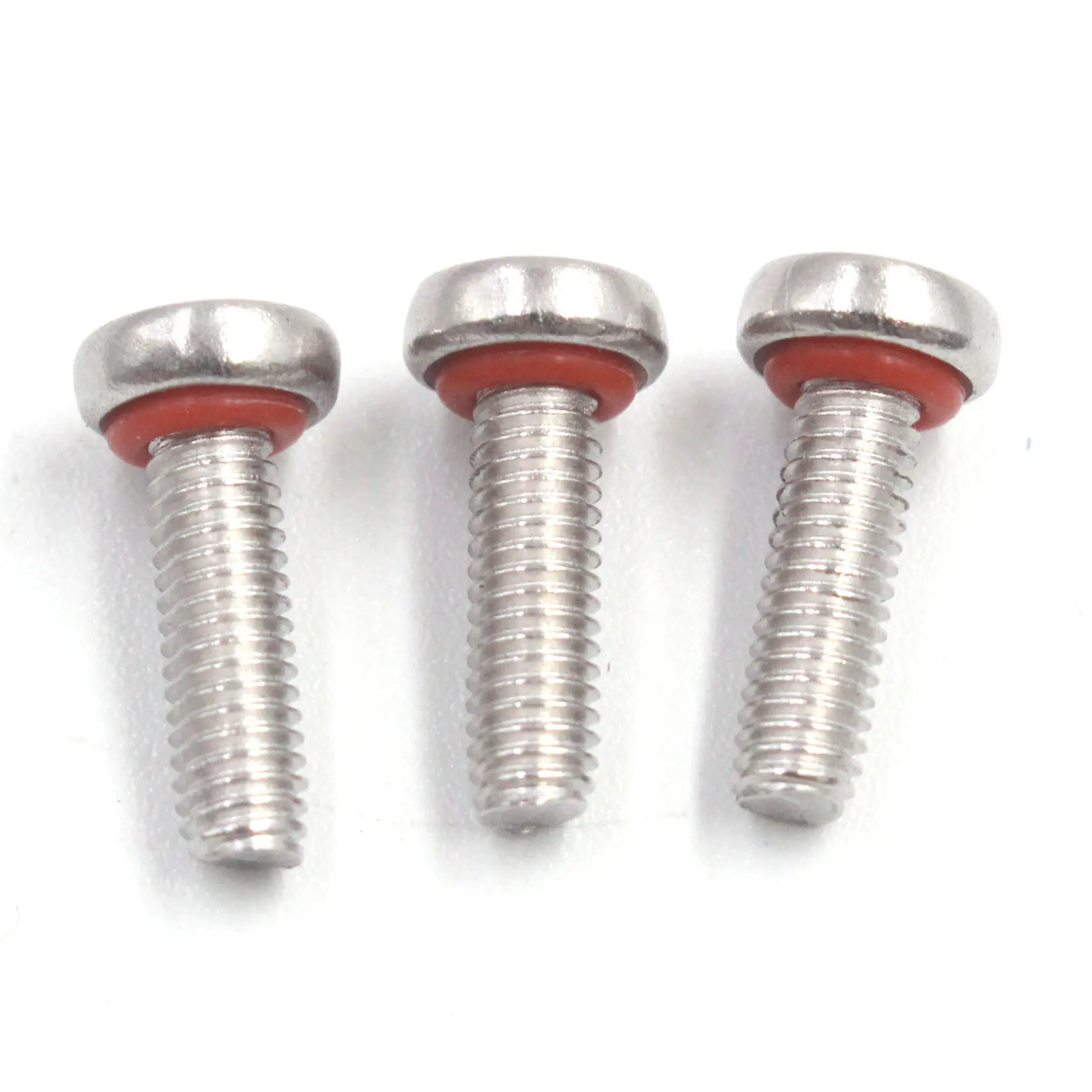
Most screws leave a tiny gap between the head and the surface. Water finds that gap. Dust finds it too. You have to put sealant on to block it. Sealing screws skip that whole step. They come with a rubber ring already on them. When you tighten the screw, that rubber compresses against the surface and closes the gap. No tube of silicone. No waiting for it to dry. Just drive the screw and it seals.
The rubber ring sits under the head. Turn the screw and the rubber gets compressed. The tighter you go, the better the seal. When the head touches the surface, the rubber has filled the space around it. Water cannot get past. That is the whole idea.
Some rubbers handle oil. Others handle heat. A few handle chemicals.
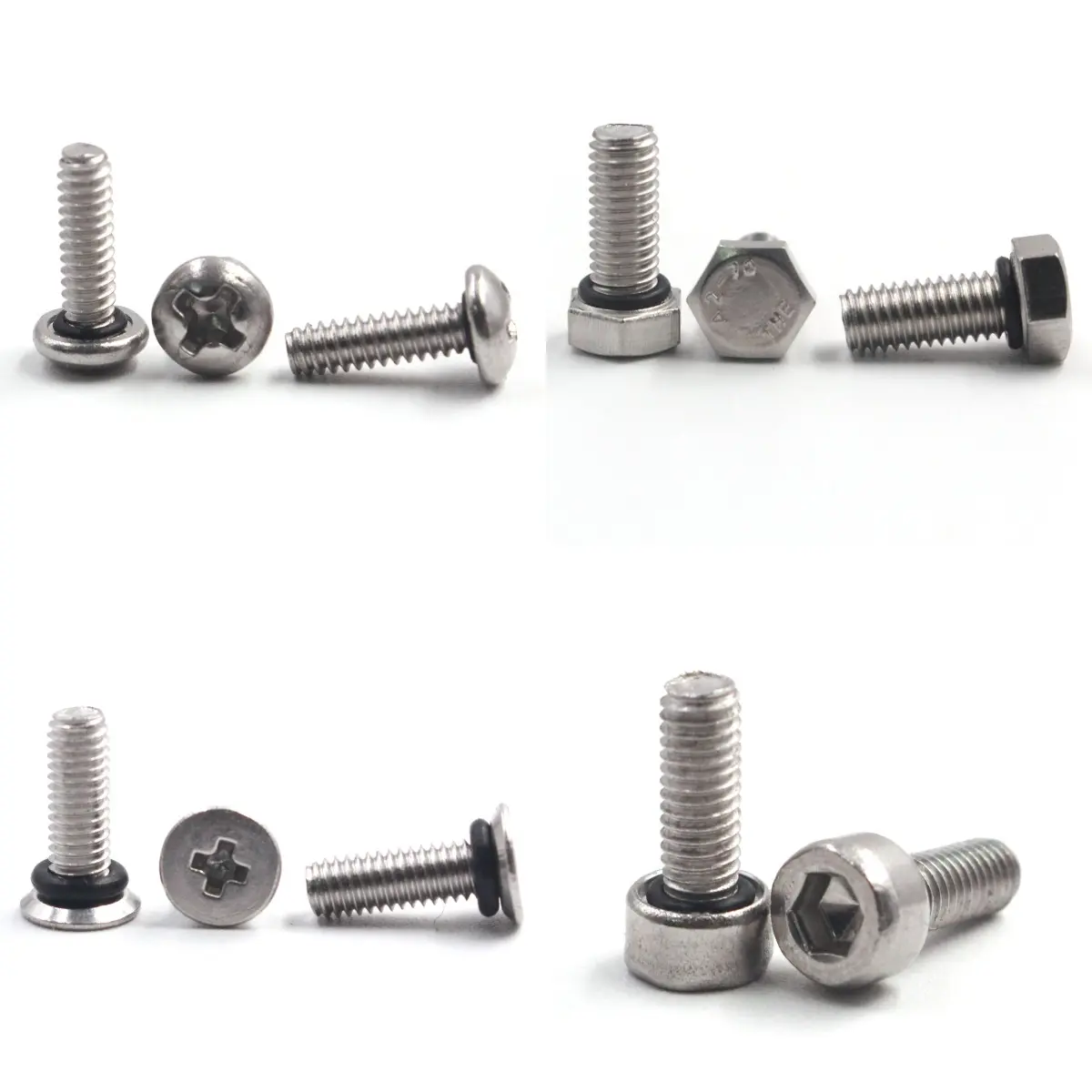
304 stainless: Stands up to rust. Solid choice for most outdoor work.
316 stainless: Handles saltwater. Use it near the coast or on boats.
Zinc plated steel: Cheaper. Good for indoor or occasional outdoor use.
IP67: Thirty minutes under a meter of water.
IP68: Longer submersion. Pumps and underwater gear use this.
M4, M5, M6. Lengths from 6mm to 30mm. Custom lengths available.
Outdoor electrical boxes. Junction boxes. Power meters. Gas meters. Marine equipment. Boat fittings. Car lighting. Industrial panels. Metal roofs. Basically anywhere water is a problem.

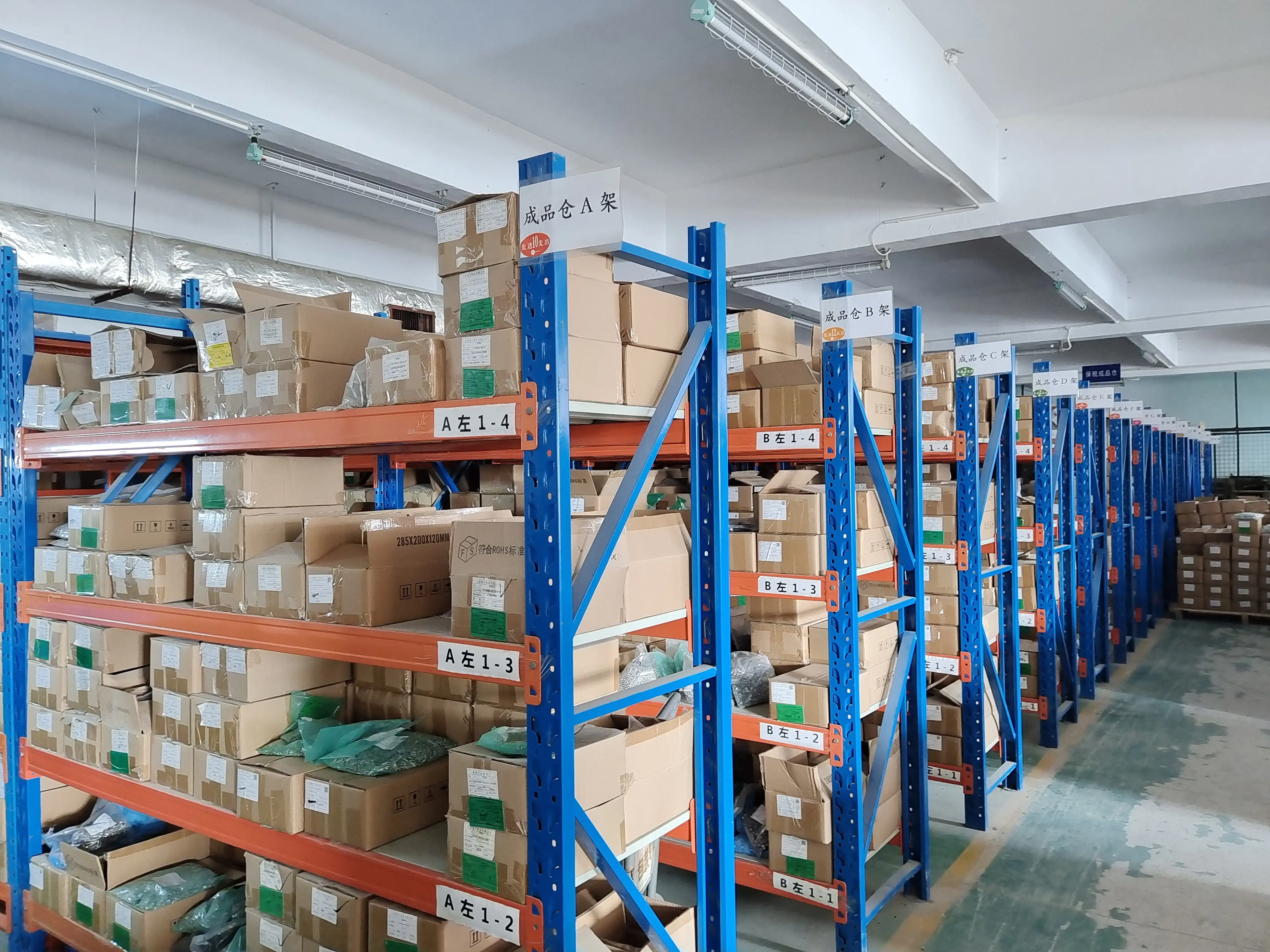
We check every O ring before packing. Test each batch. The rubber stays in place during shipping. ISO 9001 and ISO 10012 certified.
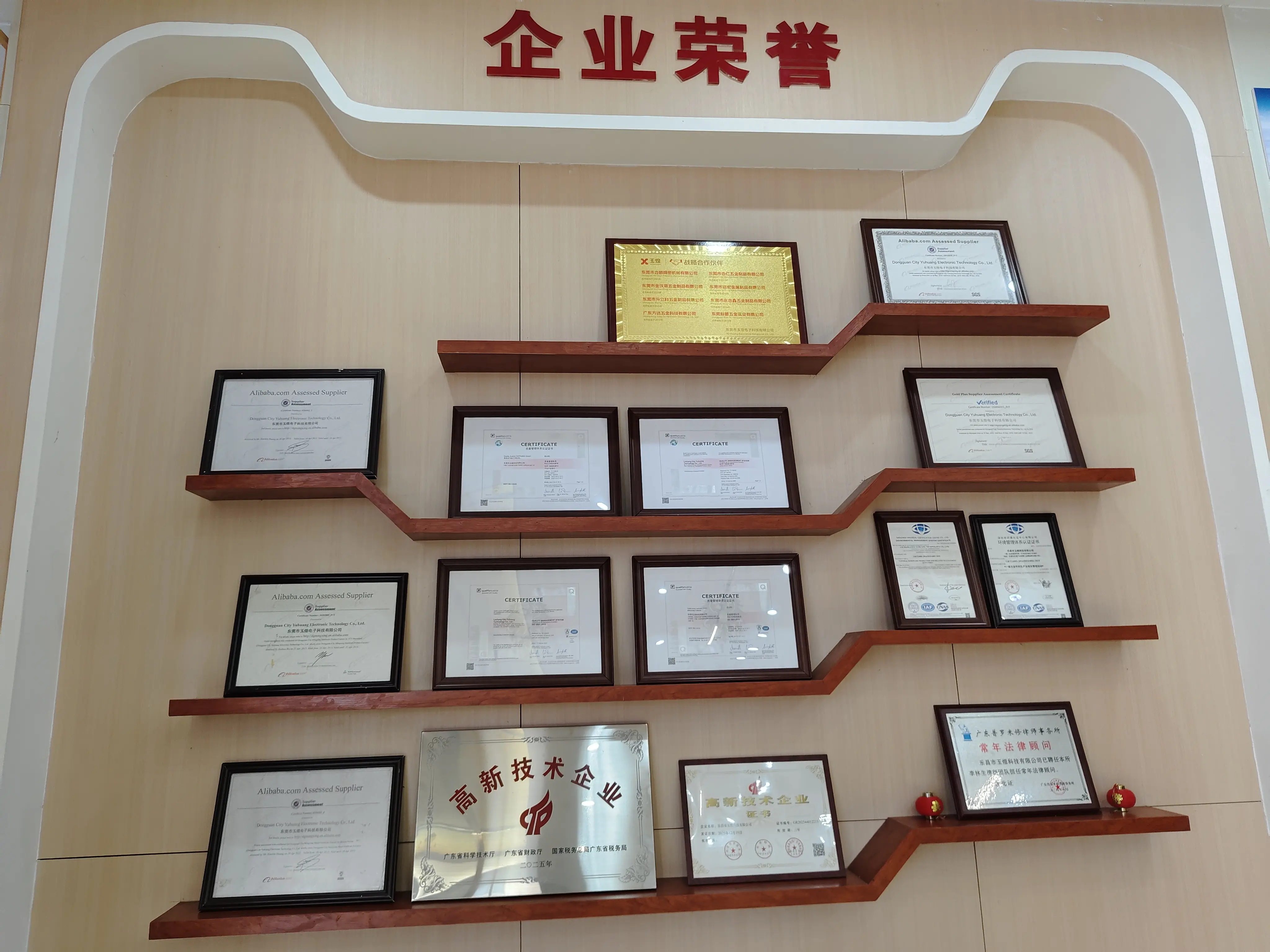
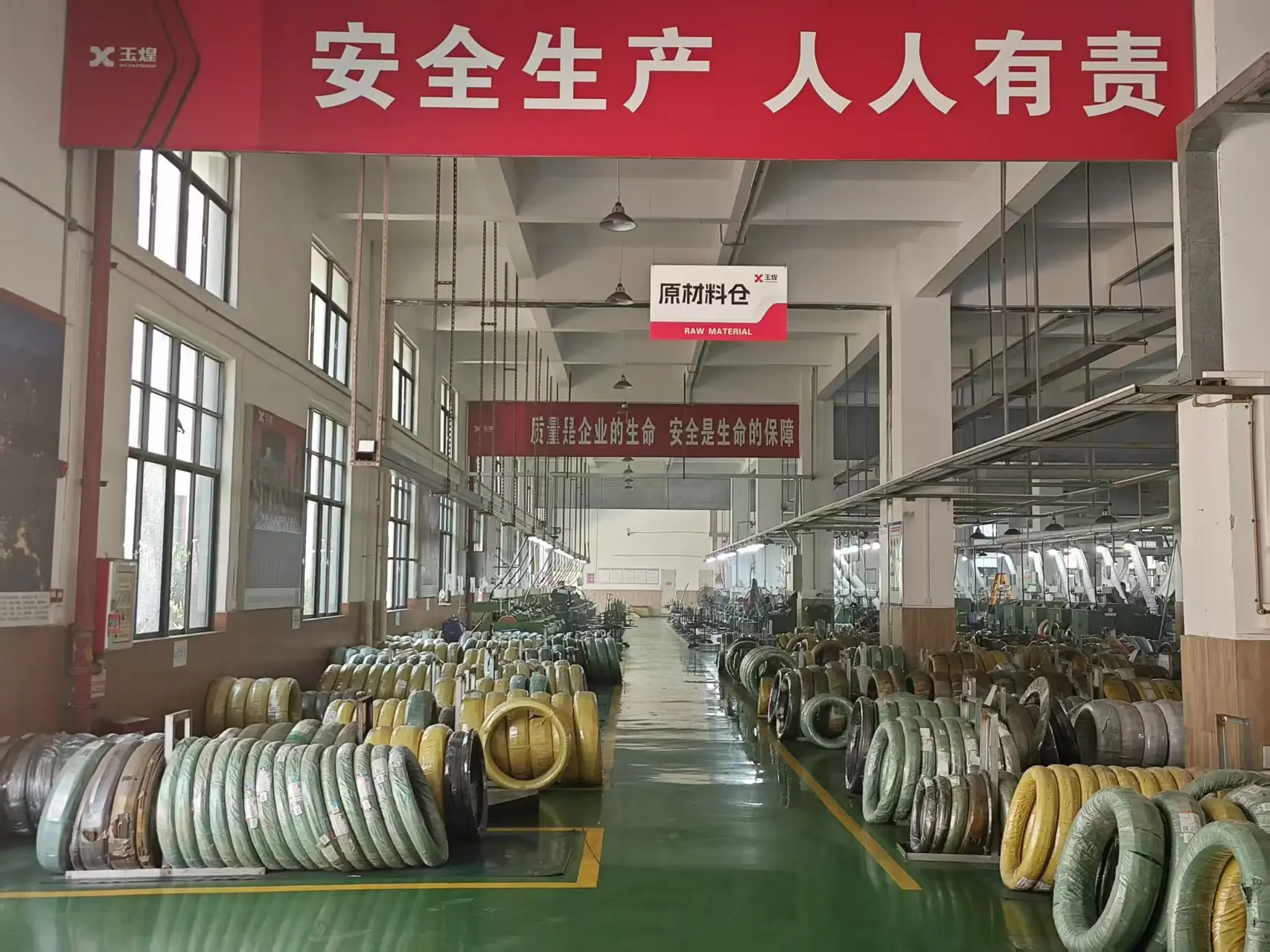
YH Fastener has been making fasteners since 1998. We do sealing screws, self tapping screws, machine screws, shoulder screws, and custom work. ISO 9001 and ISO 10012 certified. Every batch checked. Factory direct. Ship to over 60 countries.

No. The rubber ring seals it. No sealant required.
O ring sits in a groove. Bonded washer is attached to the head. Both seal fine.
304 stainless with EPDM is good. 316 stainless is better near saltwater.
It can handle one meter of water for thirty minutes.
Yes. The rubber compresses and springs back. Reuse them multiple times.
Silicone works from -50°C to 200°C. EPDM works from -40°C to 130°C. NBR works from -30°C to 120°C.