1 / 3
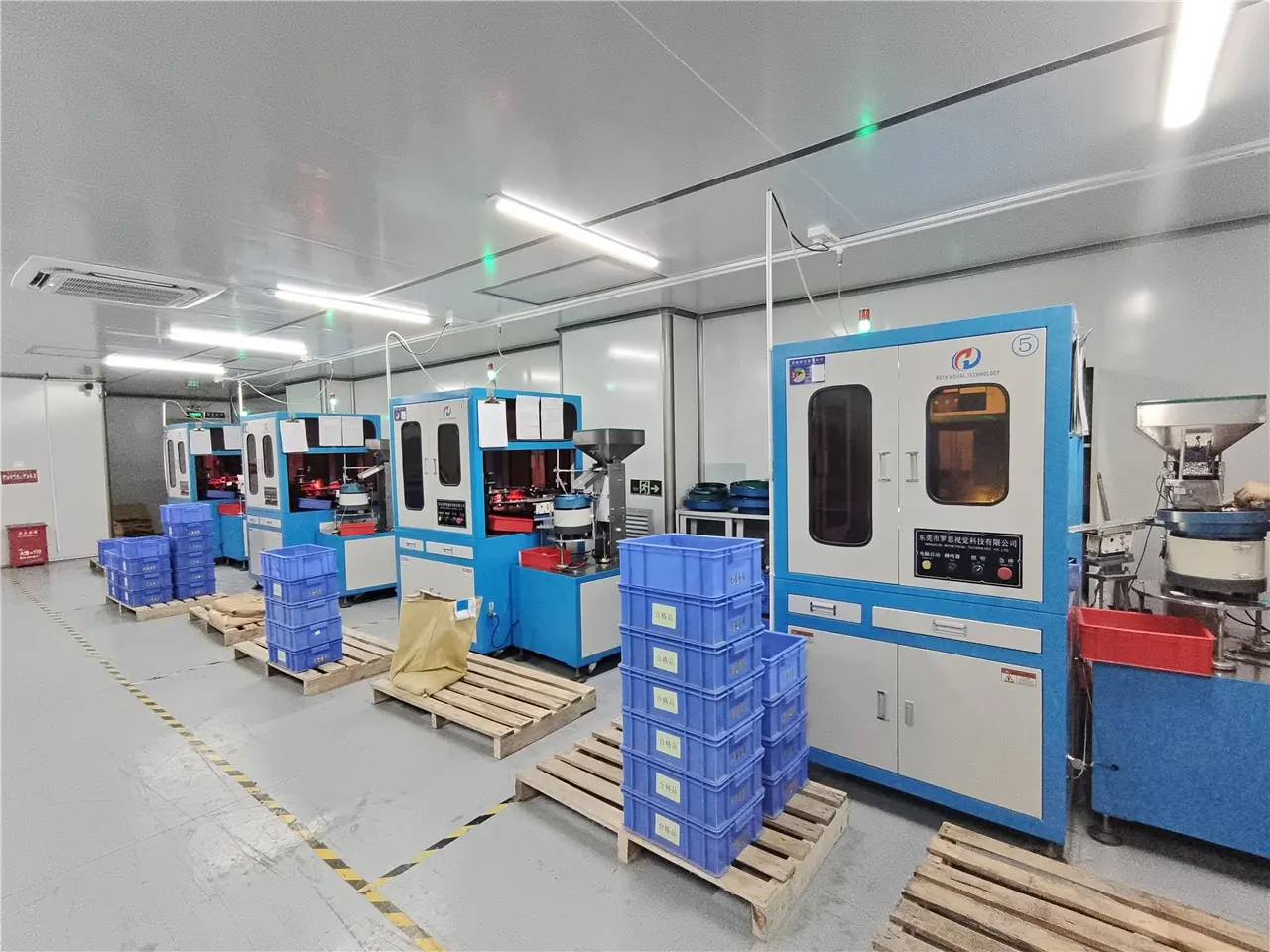
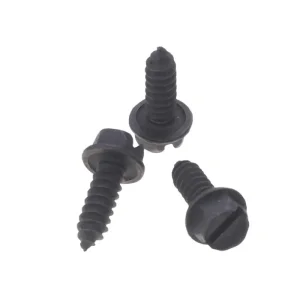
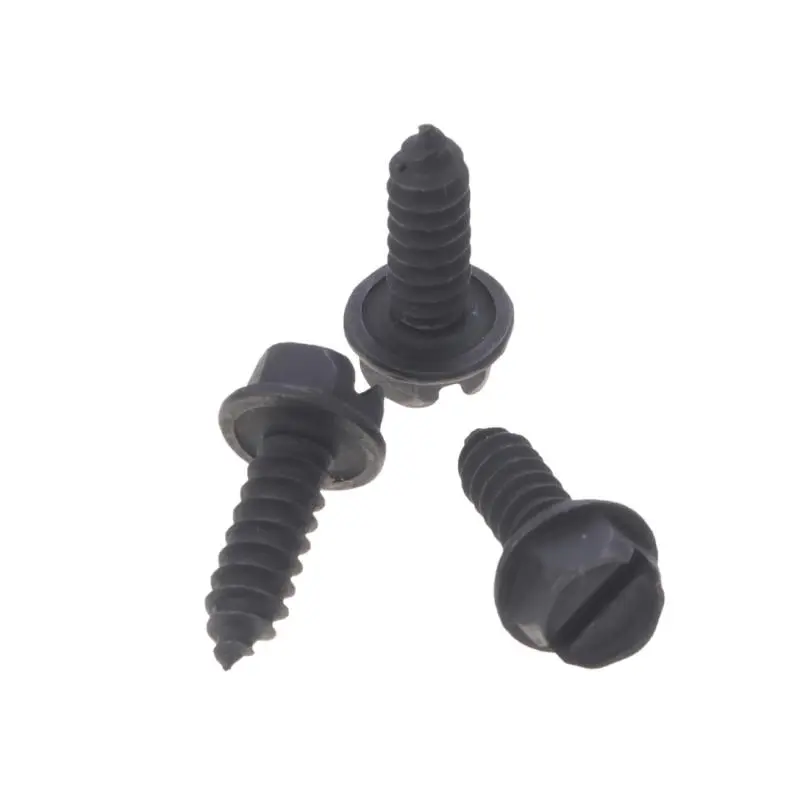
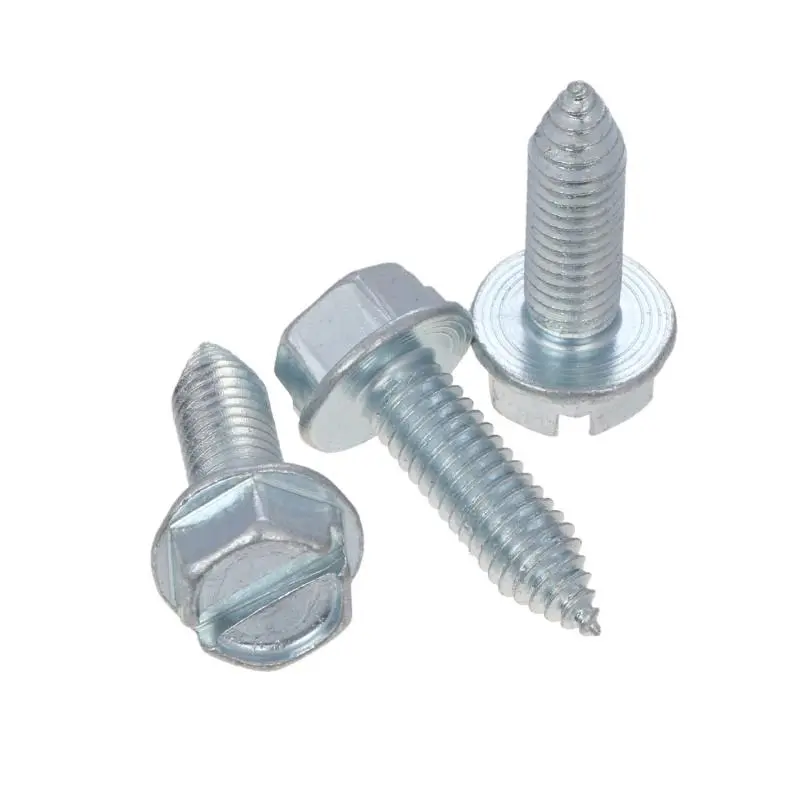
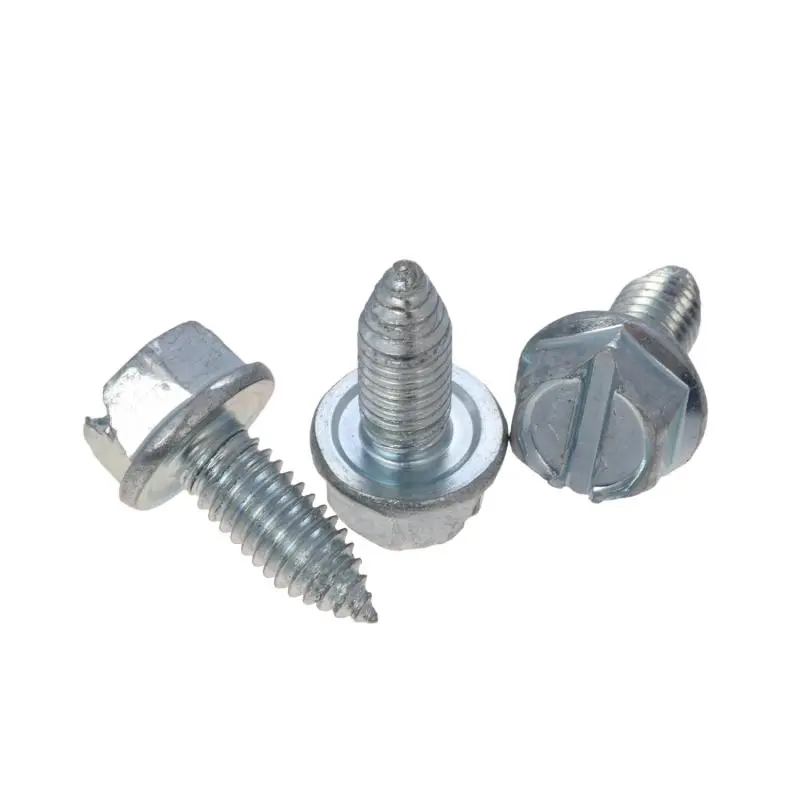
The structural improvements include the use of hexagonal heads to achieve precise torque application, as well as an internal gasket that can evenly distribute the pressure – thus avoiding indentation on the soft substrate.
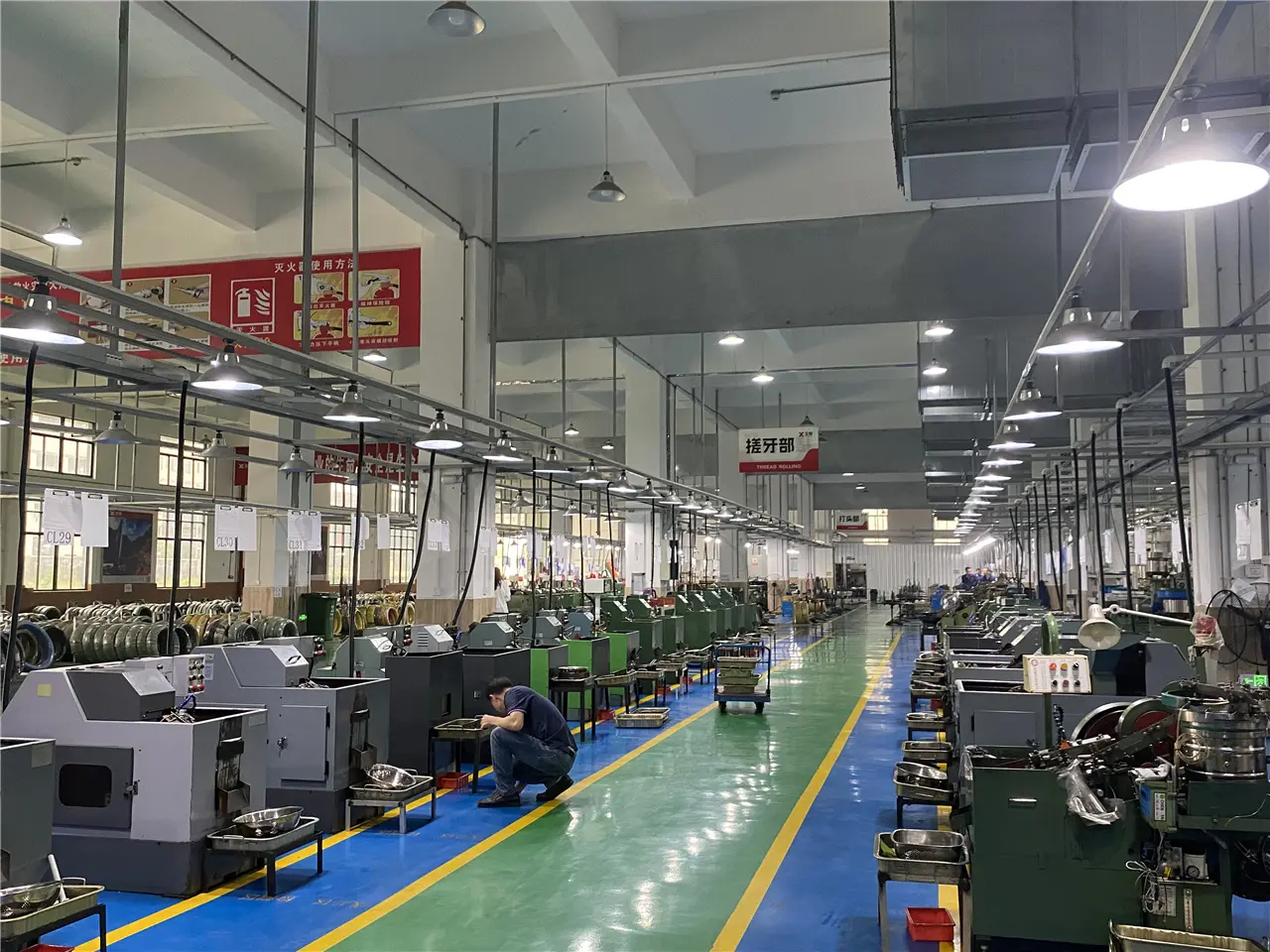
Hexagonal head slotted self-tapping screws are widely used in scenarios requiring rapid assembly, and they do not require pre-drilling of the threads. The details are as follows:

Suitable for fixing thin plate components in electrical cabinets, HVAC piping, and metal enclosure systems. Threads can be directly formed in pre-drilled holes of low-carbon steel, aluminum alloy, or galvanized thin plates without the need for tapping operations, thereby shortening the assembly time.

Used for fastening lightweight components in automated lines, such as sensor mounting plates, small motor bases, conveyor belt side guards, and fixture auxiliary components. Particularly suitable for assembling non-bearing connection components of peripheral equipment for industrial robots.
Used for fixing junction boxes, distribution panels, and small household appliance shells. Suitable for fastening thin plastic or metal components in electronic products, meeting the lightweight and compact design requirements of electronic devices.

Our self-tapping screws comply with ISO/DIN standards. They outperform traditional fasteners in terms of performance, are sharper than ordinary self-tapping screws, and simplify inventory management, making them a reliable choice for various industries.

They combine the dual driving capability of a flathead slot and a hex socket, enabling flexible manual assembly or high-torque power driving. In addition, the integrated washer design spreads clamping load evenly to protect delicate substrates.
Yes. Their self-tapping thread geometry enables them to displace or cut matching mating threads directly inside pre-punched or drilled holes in thin sheet metal, eliminating separate tapping and nut placement operations.
Grade 304 or 316 stainless steel is strongly advised for moisture-rich or marine installations due to superior corrosion resistance, while zinc-plated carbon steel serves budget-conscious indoor and dry applications.
Sharper angles (90° to 120°) maximize penetration efficiency when driving into metals, whereas wider angles (150° to 180°) prevent splintering and stress cracking in wood and molded plastic components.
Standard zinc coating provides 48 to 96 hours of salt spray protection. For higher chemical or anti-galling requirements, specialized nickel plating and black oxide conversion treatments are also available.
Yes. Custom OEM manufacturing is available according to specific drawing requirements, including customized thread designs, specialized head markings, heat-treatment profiles, and bulk industrial packaging.