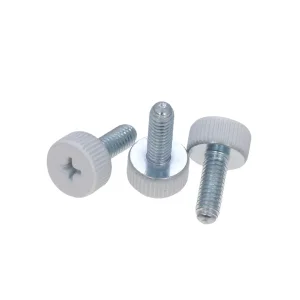
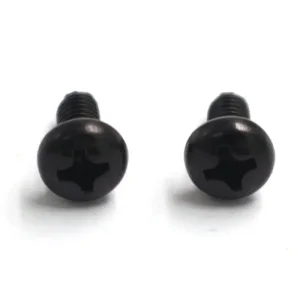
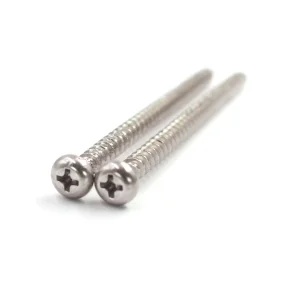
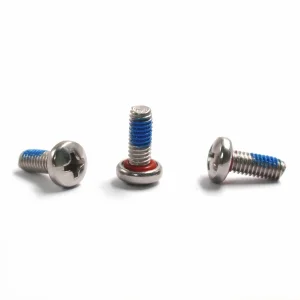
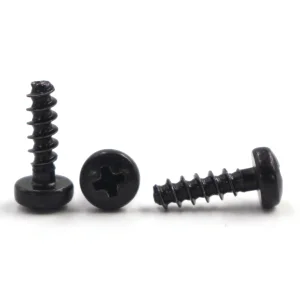
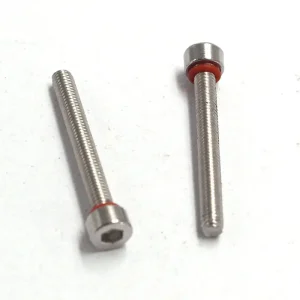
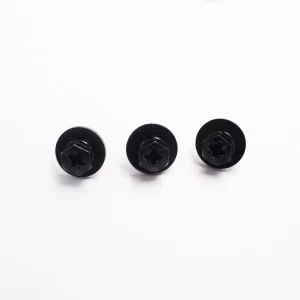
Featured cold-headed components engineered for high-throughput automated insertion, compliant clamping, and structural integrity.
In high-speed assembly plants, manual washer placement introduces human error, misalignment, and catastrophic FOD risks. Captive fastener mechanics directly eliminate these points of failure.
Manual assembly operators handling loose flat or split washers face high cognitive fatigue, leading to omitted washers or reversed conical/belleville washers. This alters spring constants and precipitates early joint relaxation.
Loose washers dropped inside electric motor housings, power inverters, or battery packs create severe Foreign Object Debris (FOD) hazards. Such incidents often trigger line shutdowns, teardowns, or catastrophic field electrical failures.
Eccentric seating of unconstrained washers skews torque-tension relationships. This uneven surface contact induces shear stresses across the fastener shank, leading to fatigue fractures under dynamic vibration.
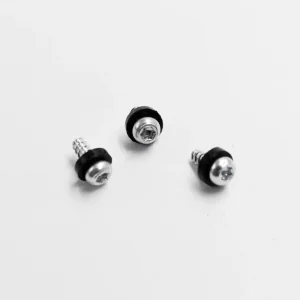
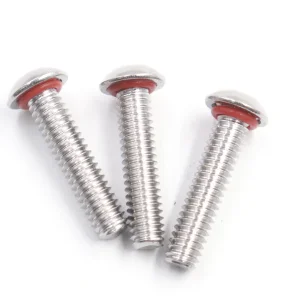
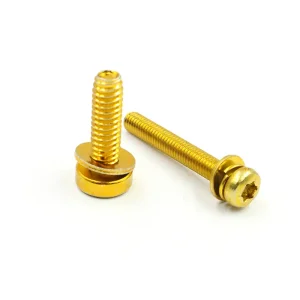
SEMS screws (derived from "The Machine Screw SEMbly") integrate pre-assembled washers onto the blank before cold thread-rolling, making the washer permanently captive while freely rotating.
The washer's inner diameter is precisely dimensioned to pass over the unthreaded blank shank, but remains constrained as thread rolling expands the major diameter past the washer hole.
Because the captive washer rotates freely on the unthreaded neck, it contacts the bearing surface without galling sensitive mating coatings, isolating joint torque from rotational friction.
Supports dual washer stacks (e.g., helical spring lock washer stacked over a hardened wide flat washer), delivering consistent tensioning, anti-vibration resistance, and load spreading in a single part.
SEMS fasteners eliminate sorting bin jams and hopper separation issues in automated bowl feeders, ensuring clean, continuous screw delivery into robotic end-effectors.
The concentration of cold-heading engineering, custom toolmaking, and certified metallurgy across the Greater Bay Area provides distinct cost, agility, and quality advantages.
Based in Dongguan, Guangdong, our facility operates within an immediate radius of certified wire drawing mills, specialized washer stamping plants, and automated heat treatment facilities, cutting prototyping turnaround down to days.
Tier-1 automotive quality systems incorporate optical sorting equipment capable of checking washer presence, thread pitch, recess depth, and concentricity at speeds exceeding 800 parts per minute with zero PPM defect rates.
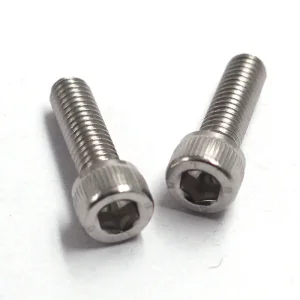
Our in-house EDM wire cutting, CNC grinding, and die-making capabilities allow rapid development of proprietary combinations, including knurled heads, tamper-resistant drives, and specialized Belleville or wave washers.
Across diverse sectors, SEMS screws deliver measurable gains in throughput, torque retention, and product lifespan.
EV busbar connections and battery cell interconnects require tooth lock or conical spring SEMS screws to maintain precise contact pressure, resist thermal expansion cycling, and avoid vibration loosening.
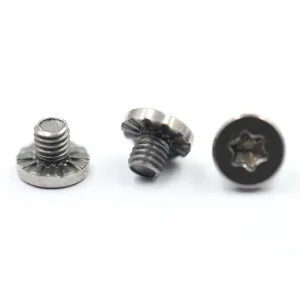
Internal ground terminals and shielding cans use miniature metric SEMS with external tooth washers that pierce anodized or passivated coatings, securing reliable electrical bonding.
SEMS assemblies featuring resilient wave washers compensate for structural settling and ongoing thermal expansion, preventing dynamic joint loosening across high-vibration compressor frames.
Robotic end-effectors, servomotor flanges, and AGV wheel hubs use SEMS screws with captured Belleville washers to maintain consistent preload under sharp acceleration reversals.
Strategic purchasing teams are shifting from bill-of-materials piece-part pricing to Total Cost of Ownership (TCO) analysis, driving adoption of SEMS fasteners worldwide.
Consolidating two or three discrete components (screw, split washer, flat washer) into one SKU reduces warehousing line items, eliminates handling labor, and simplifies stock management.
As factories adopt automated and robotic screwdriving, free washers are notorious for misfeeds. SEMS units supply a stable profile that travels smoothly through pick-and-place blow-feed systems.
High-tech electronics and green energy platforms mandate micro-cleaned surfaces and heavy-metal-free finishes (zinc-nickel, trivalent passivation) with salt-spray corrosion resistance up to 1,500+ hours.
Insights into fastener mechanics, cold-heading tool design, and captive washer implementation.
Explore our complete catalog of factory-direct fasteners designed for structural assembly, automotive electronics, and outdoor enclosures.