+86 131 7840 7856 WhatsApp Dongguan · Shaoguan · Wuhan, China

Custom Self Tapping Screws for Various Assembly Conditions Manufacturer, Manufacturers

Improve your onsite assembly efficiency with our self tapping screws. Remove separate tapping procedures for sheet metal plastic and electronic housings. Multiple head types drive styles and surface treatments are available. We support drawing‑based custom fastener orders for different project requirements.

Product Description

Quick Parameter Specifications

Item Available Options
Product Self Tapping Screws
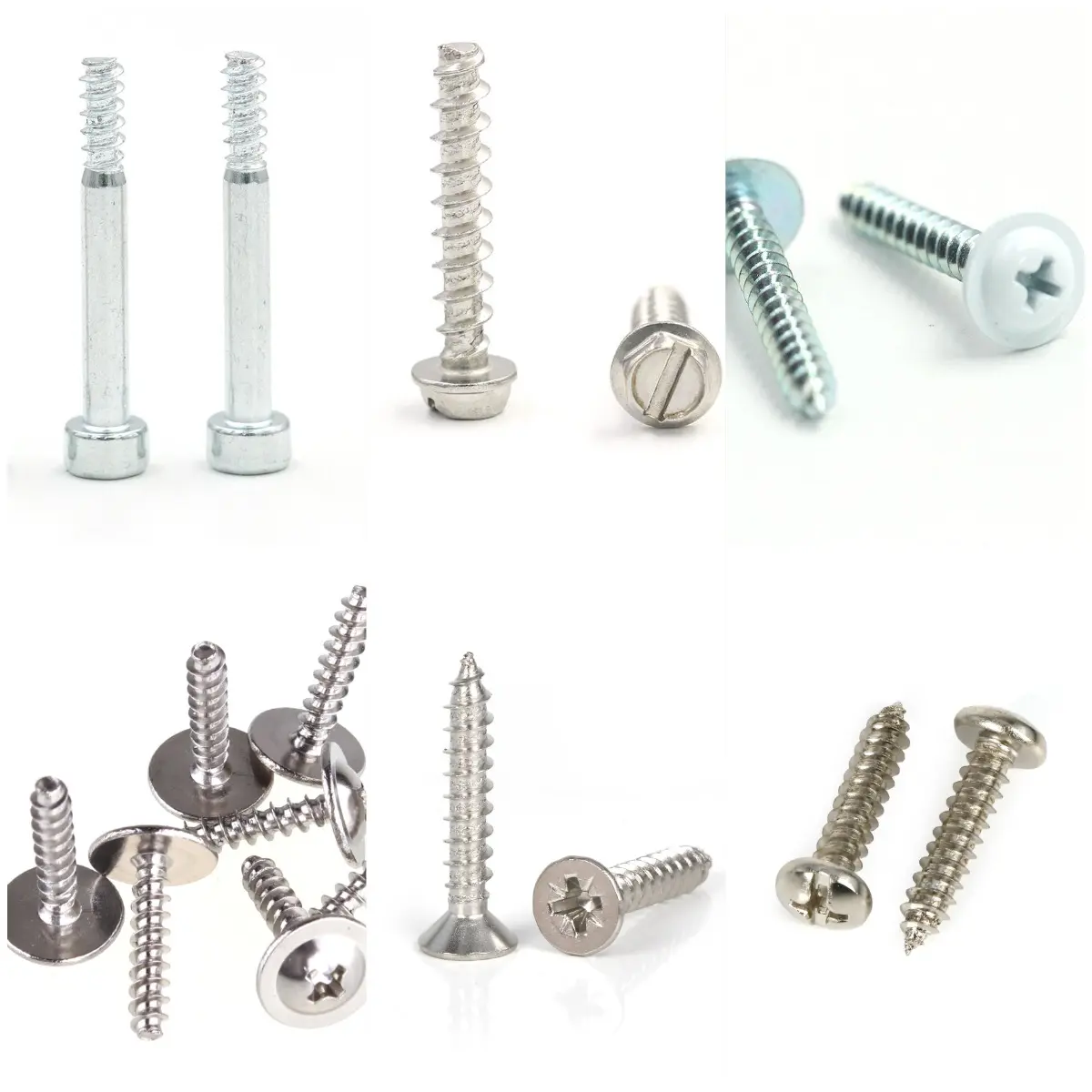
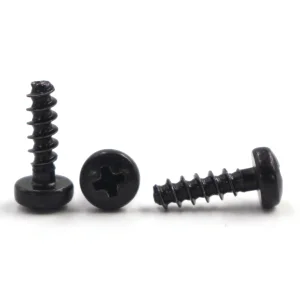
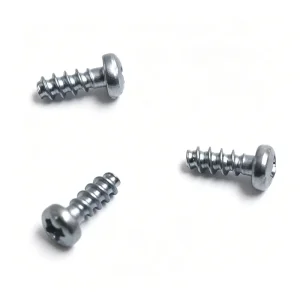
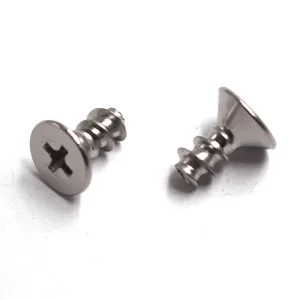
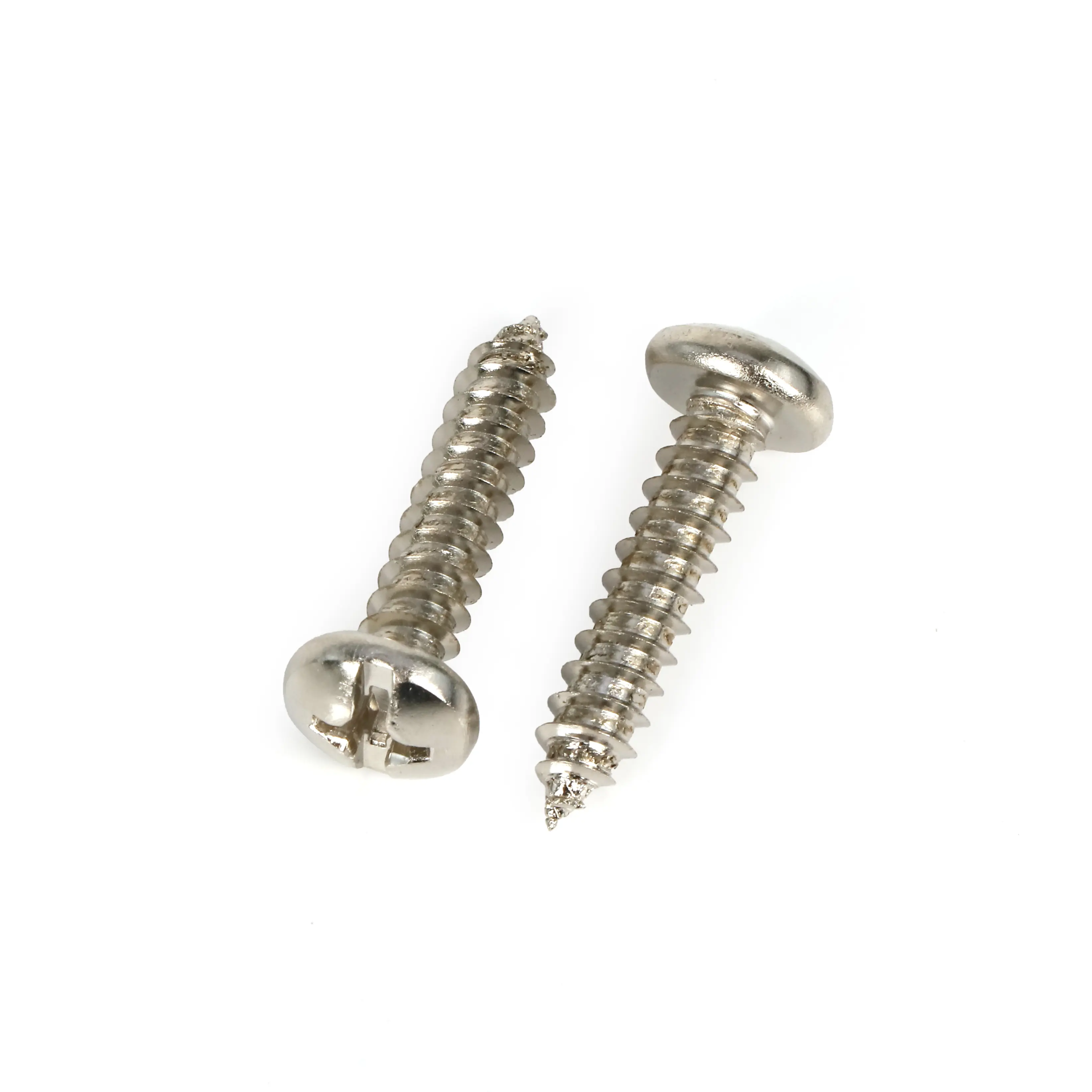
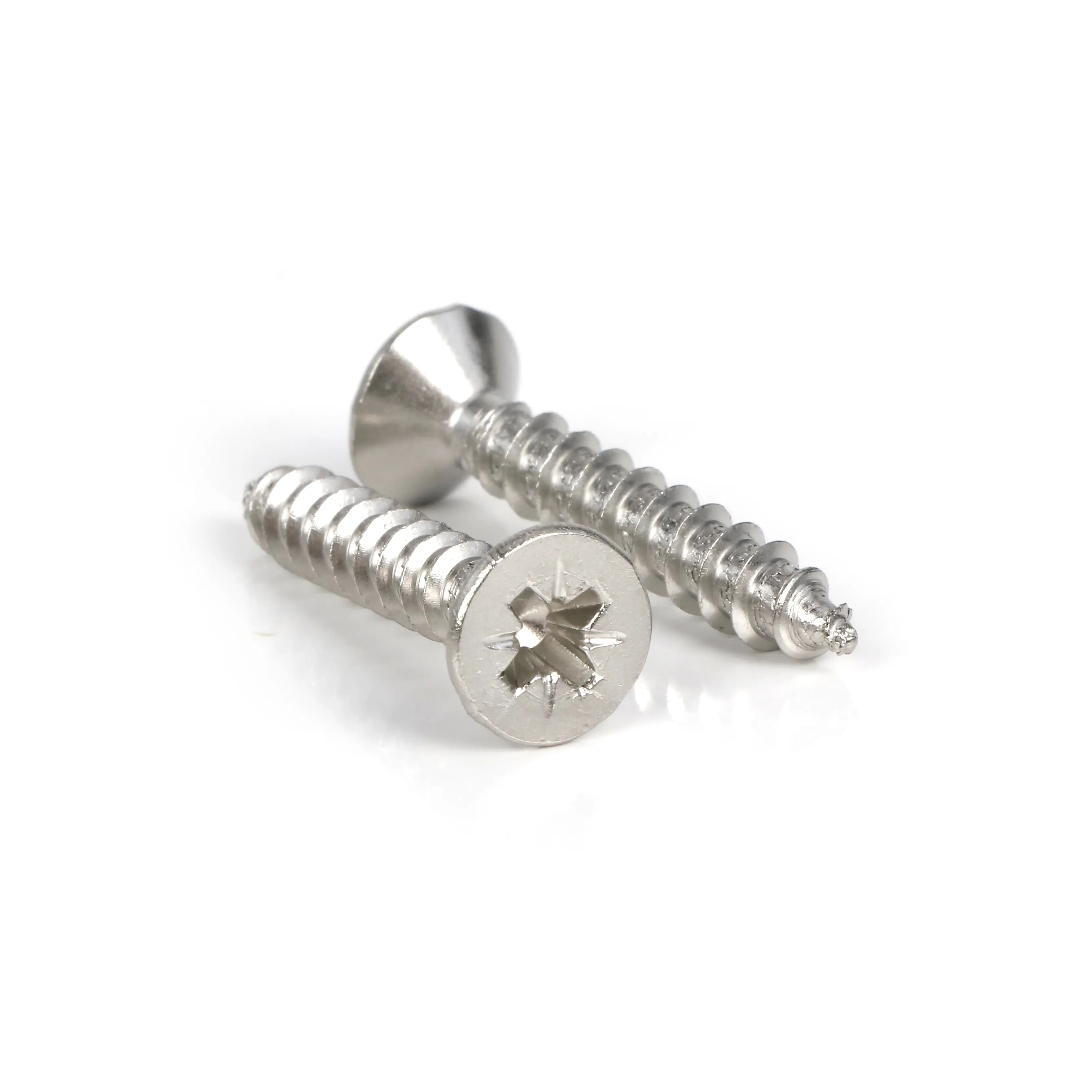
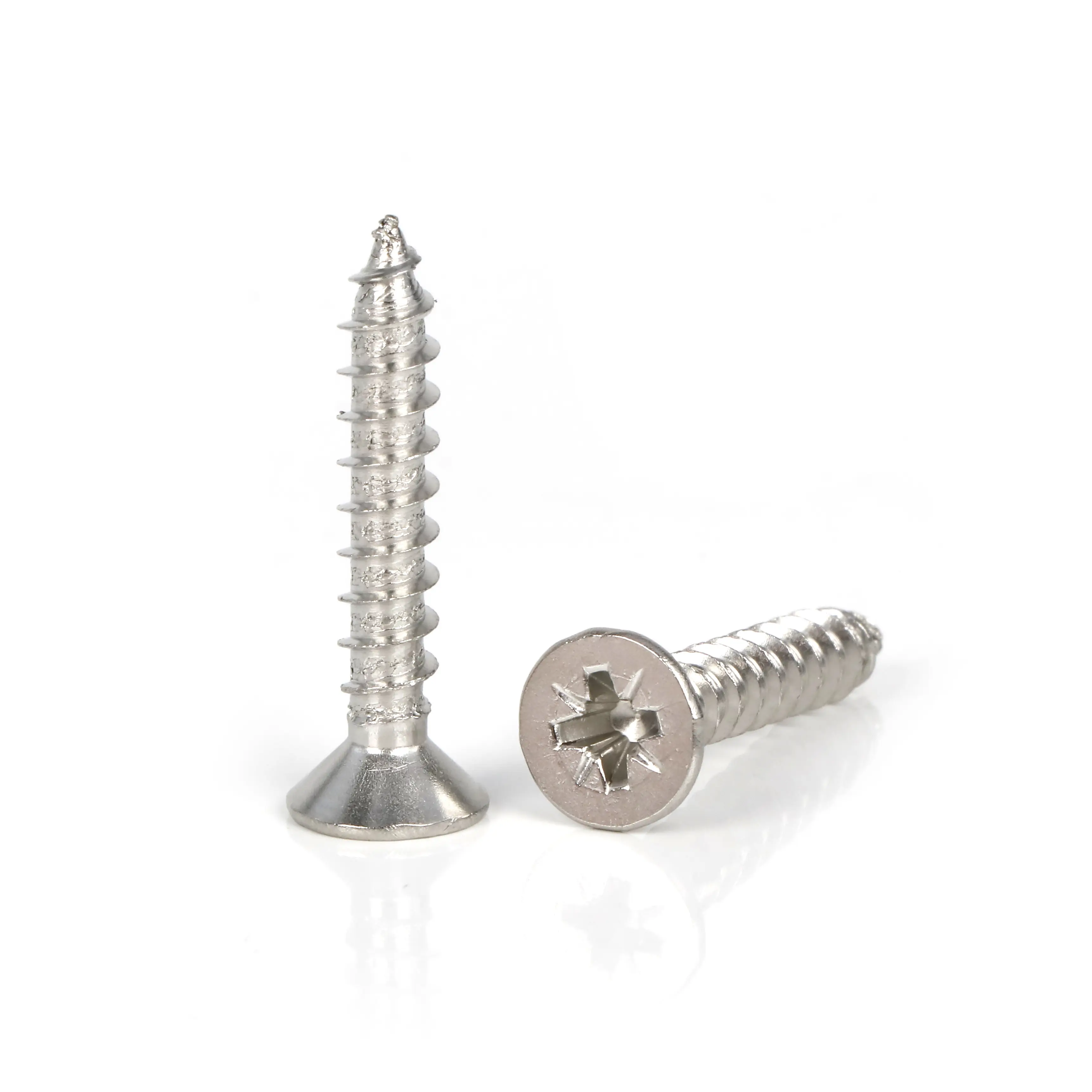
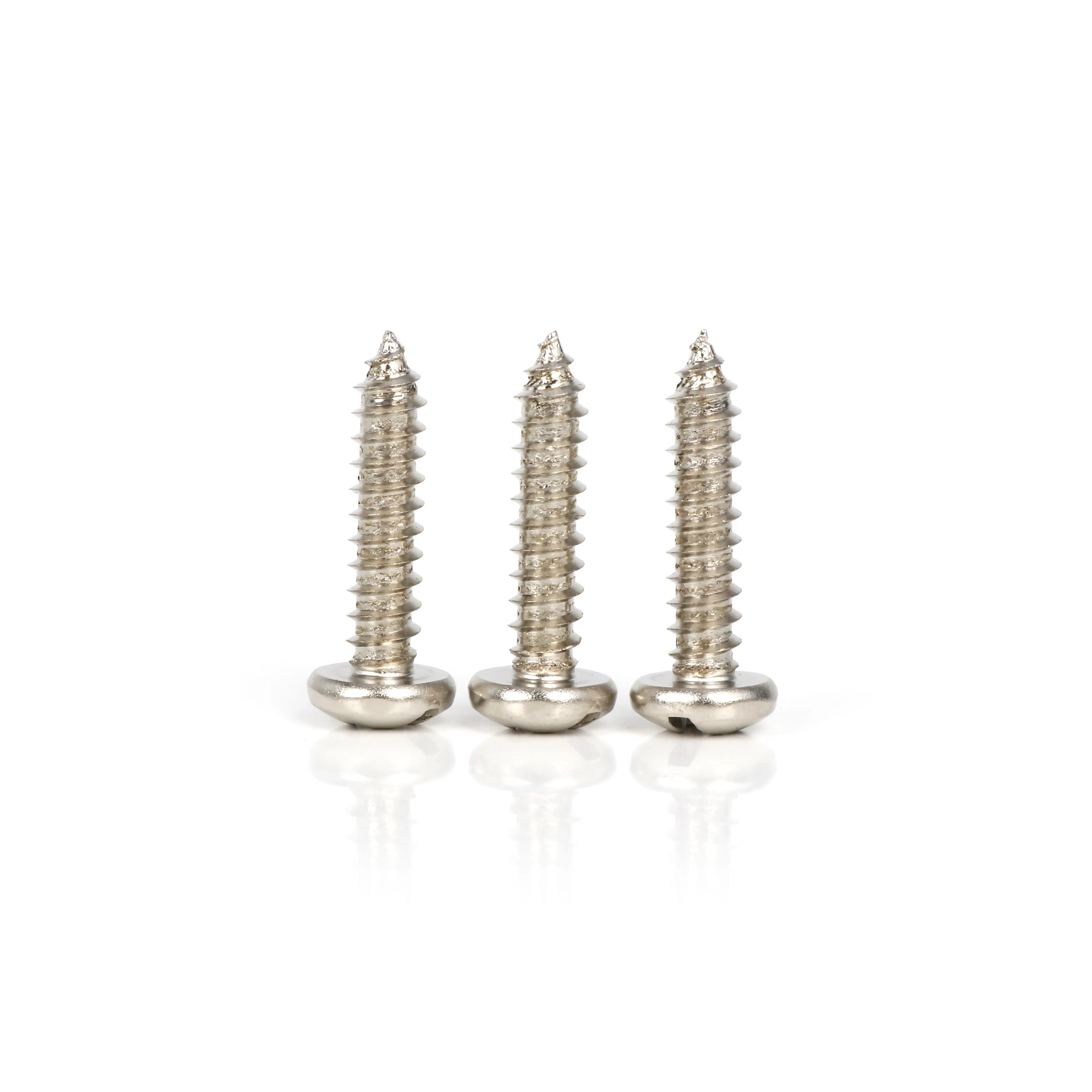
Head Style Pan head, Countersunk head
Drive Type Phillips, Torx
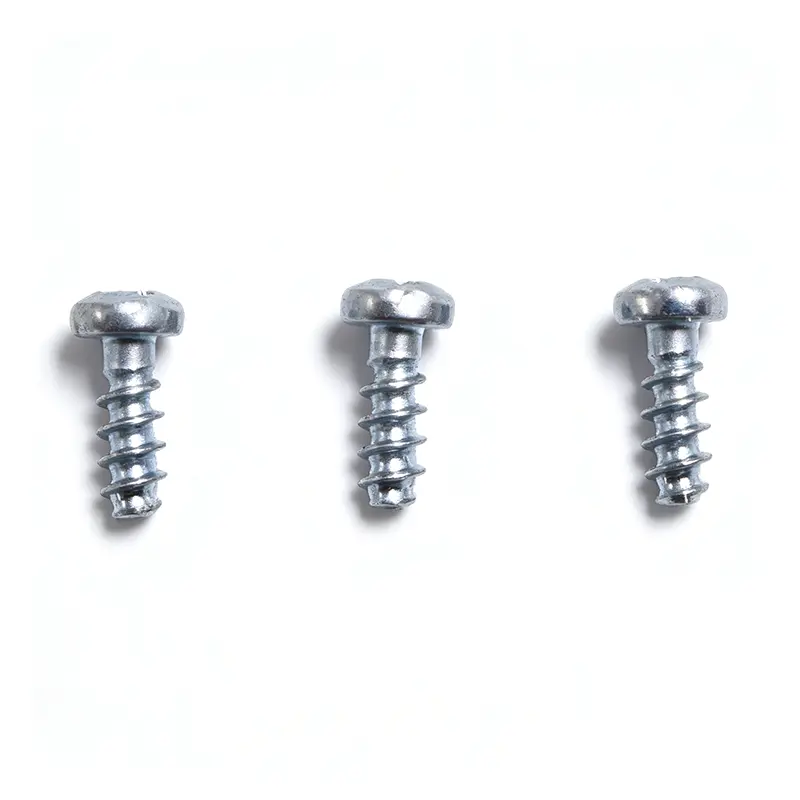
Thread Type Thread cutting, Thread forming
Material Carbon steel, 304 / 316 stainless steel
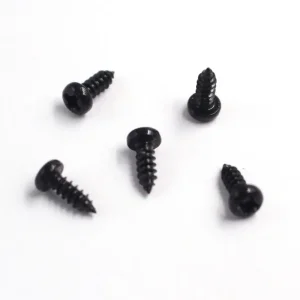
Surface Treatment Zinc plating, Black oxide, Stainless steel natural finish
Size Range M1.0‑M8, custom sizes upon drawings or samples
Main Application Consumer electronics, Sheet metal, Household appliances
Self Tapping Screws Overview

Common Pain Points in Actual Assembly

Many purchasers encounter recurring troubles during mass production when applying self tapping screws. High screw driving torque leads to tool wear. Thin plastic shells crack after fastening. Insufficient pull‑out strength causes loose connections after long‑time operation. Most of these issues are not caused by raw screw quality, but improper type selection and parameter matching. Our self tapping screws are developed targeting these real‑world assembly pain points. Thread profile hardness and surface condition are controlled to fit different substrate materials.

Thread Difference Solves Different Substrate Problems

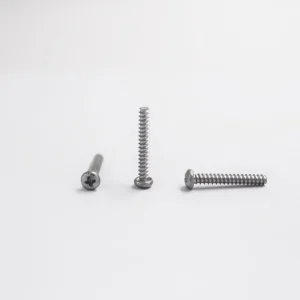
Thread Types Comparison
Thread-cutting self tapping screws adopt a special thread flute design. It cuts material chips when screwing into hard thin metal and composite plates. It fits rigid substrates where thread forming cannot work well.
Thread-forming self tapping screws displace material without generating chips. It greatly lowers plastic cracking risk for thin plastic housings during high‑speed continuous assembly. This type is widely chosen by consumer electronics manufacturers.

Material and Surface Treatment Against Corrosion Risk

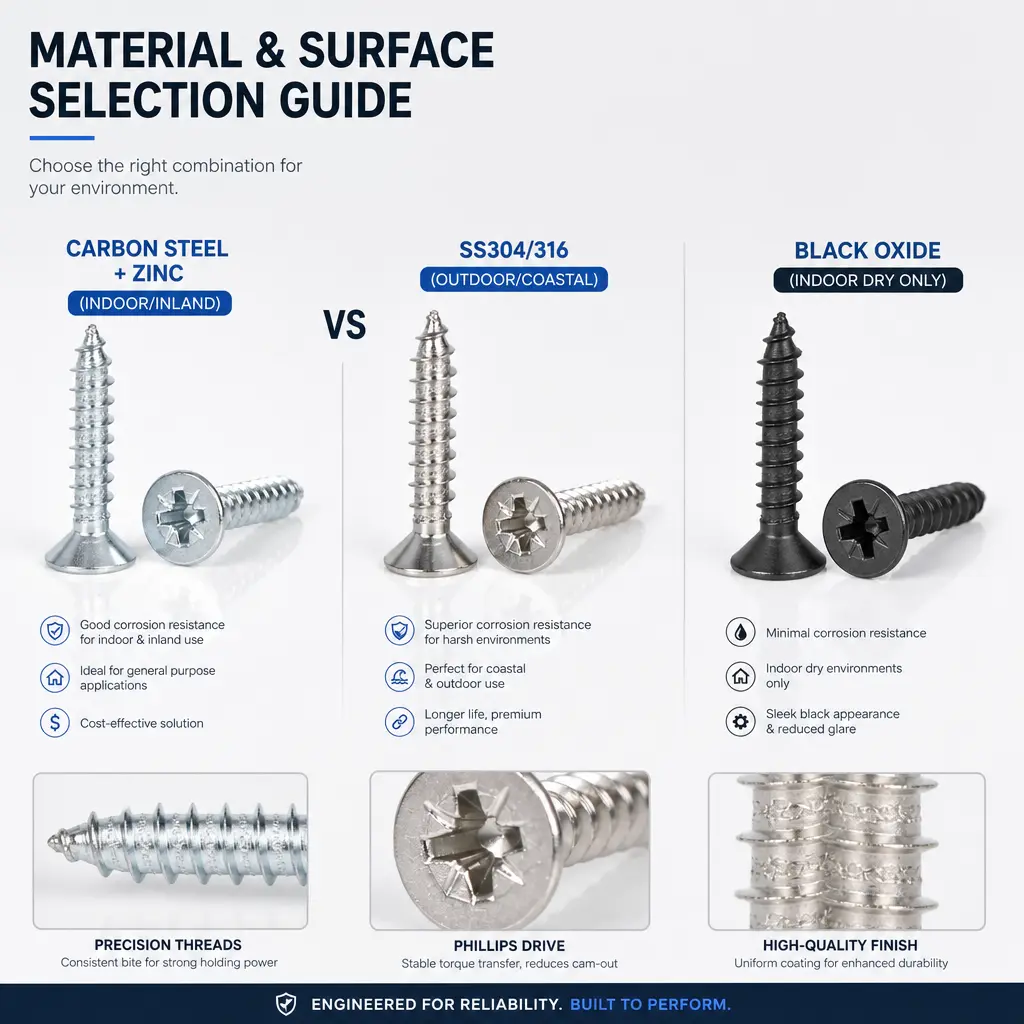
Indoor general assembly projects can adopt zinc‑plated carbon‑steel self tapping screws. It balances cost and basic rust resistance.
For damp working environment or outdoor installation, choose 304 or 316 stainless‑steel self tapping screws. It avoids joint failure caused by rust. Black oxide finish is only suitable for completely dry indoor environment, its anti‑corrosion performance is limited. Special coatings can be customized according to your working conditions.
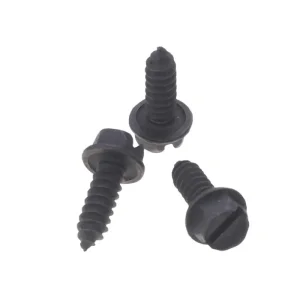
Screw Surface Treatment

Practical Installation Reminders for Buyers

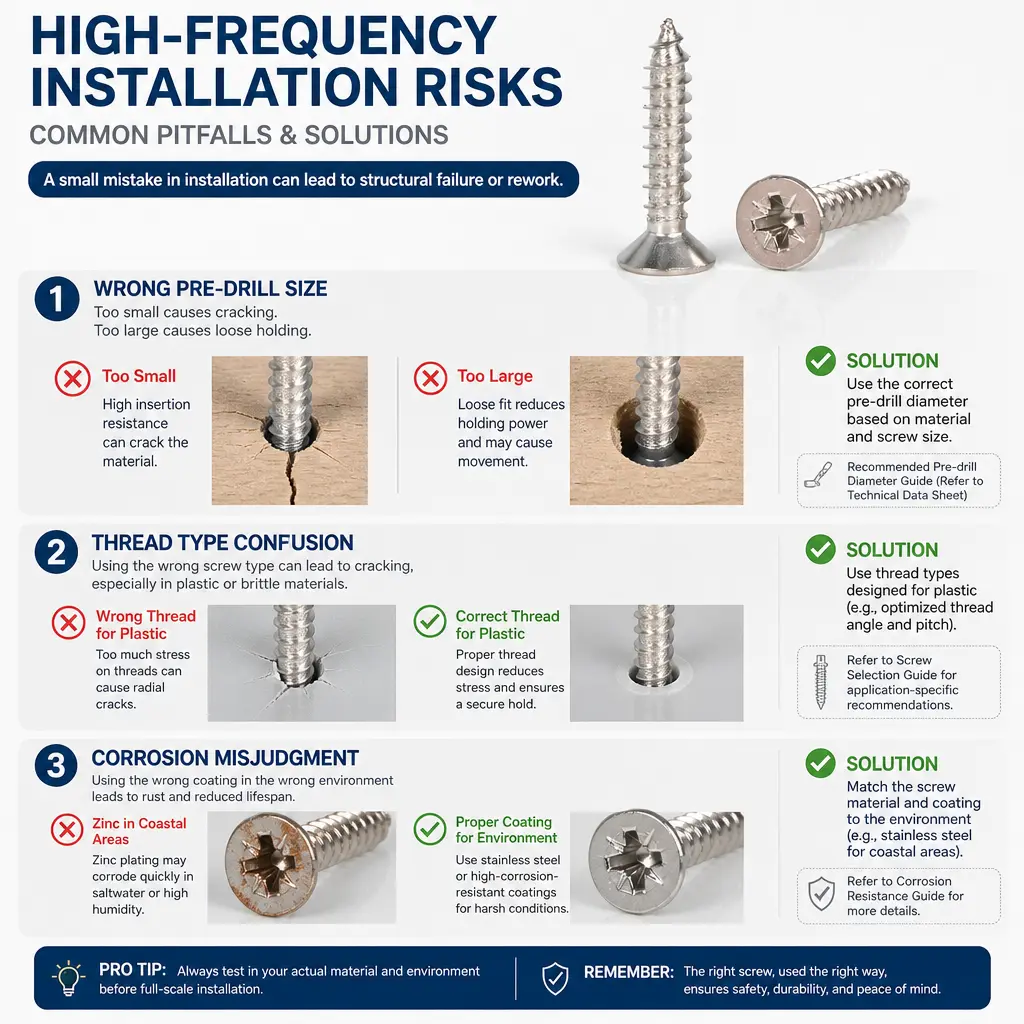
Pilot hole diameter directly decides final fastening performance of self tapping screws. Too small holes raise driving torque and crack work pieces. Too large holes reduce holding force. You need to confirm hole size combined with your actual material hardness. We can provide reference hole data after knowing your substrate. Do not confuse self tapping screws with self‑drilling screws, self‑tapping series must use pre‑drilled pilot holes.

About Our Factory

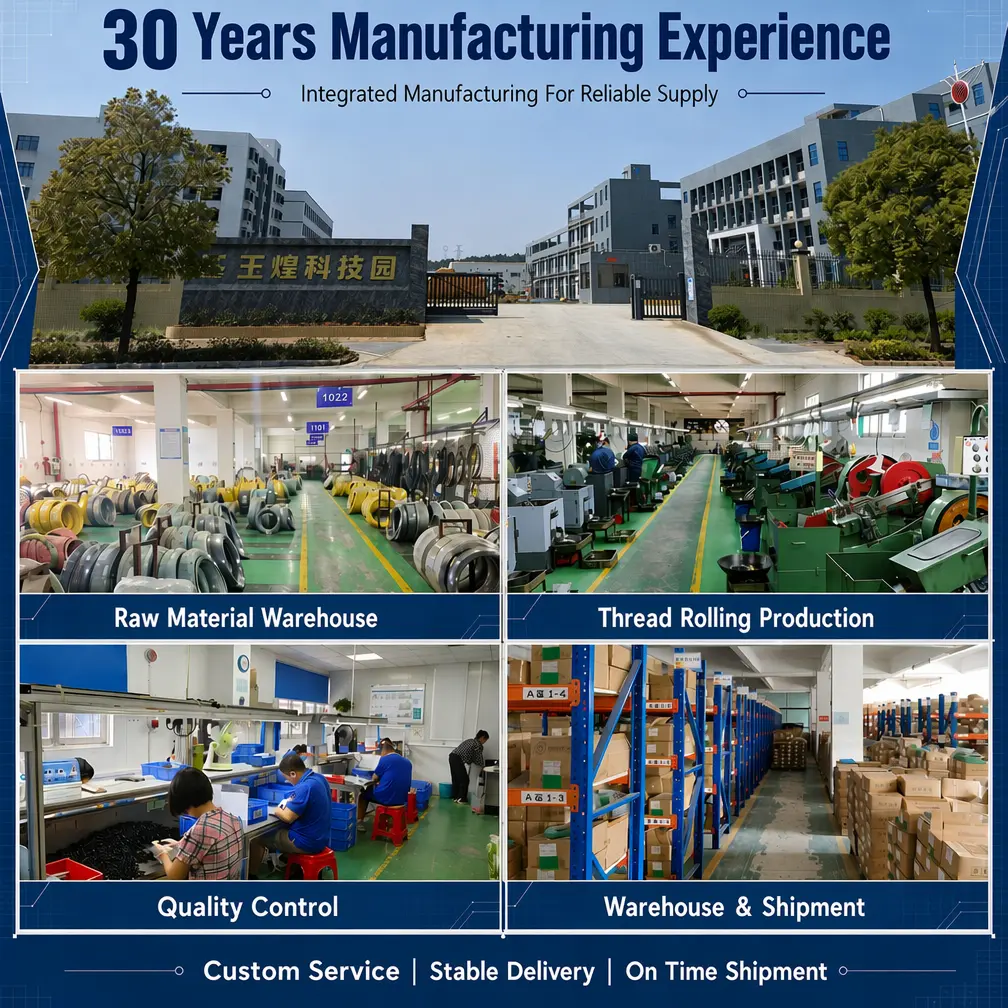
We are a professional fastener manufacturer producing large batches of self tapping screws and other standard and non‑standard fasteners. We own complete cold heading thread rolling and in‑house testing equipment. Before bulk delivery each batch will pass dimension hardness and surface inspection. Our technical team can give targeted fastening suggestions according to your assembly difficulties, helping you reduce defect rate on production lines.
Fastener Production Workshop

Custom Solution Service

Standard sizes cannot cover all project demands, so we provide custom service for self tapping screws. Adjust head shape thread specification length and surface treatment following drawings or physical samples. Small batch trial production is supported before mass order. Test fastening effect on your real work piece to prevent mass loss risk. Send your requirement and we will reply with quotation and lead time.
Contact Us

Frequently Asked Questions

Q1: Can self tapping screws work without pilot holes?
No. Self tapping screws require pre‑drilled pilot holes. They differ from self‑drilling screws. Operating without pilot holes will cause excessive torque and result in broken screws.
Q2: Which option to select for plastic housing assembly?
Thread‑forming self tapping screws are preferred. They displace material without creating cutting chips, which significantly lowers the risk of thin plastic shells cracking during high-speed assembly.
Q3: What material fits outdoor application?
304 or 316 stainless‑steel self tapping screws are recommended. Standard zinc‑plated carbon steel will rust under long‑term outdoor exposure or damp environments.
Q4: When should thread-cutting screws be used instead of thread-forming?
Thread-cutting screws are ideal for hard thin metal and composite plates. Their special flute design actively cuts material chips, ensuring secure engagement in rigid substrates where thread forming cannot work well.
Q5: Is black oxide finish suitable for outdoor or damp environments?
No, black oxide finish provides limited anti-corrosion protection and is only suitable for completely dry indoor environments. Outdoor or damp applications should use stainless steel or specialized coatings.
Q6: Do you provide custom dimensions and trial production runs?
Yes. We accommodate custom head shapes, drive types, thread profiles, and finishes based on drawings or physical samples. Small batch trial production is supported so you can verify fastening performance on actual substrates before volume production.

Related Products