Engineered for resilience under demanding tropical operations, our core fastener range delivers proven tensile performance and zero panel drop-off.
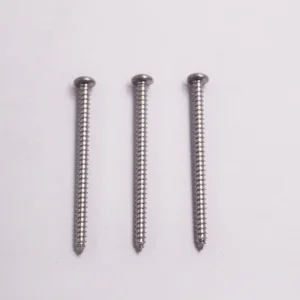
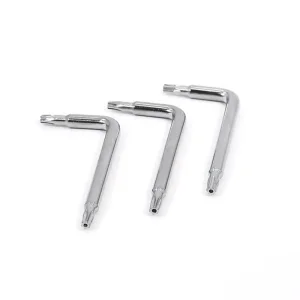
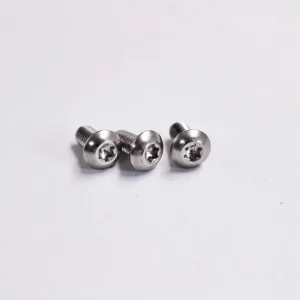
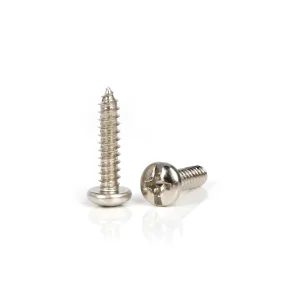
An empirical evaluation of how mission-critical retained hardware prevents catastrophic downtime across West African telecom hubs and energy infrastructure.
With thousands of Base Transceiver Stations (BTS) maintained across Nigeria's 36 states, vibration from backup diesel generators frequently rattles loose conventional fasteners. Captive screws eliminate internal cabinet drop-outs, preventing catastrophic PCB short-circuits during off-grid maintenance.
The push toward decentralized solar mini-grids in rural Nigeria necessitates ruggedized inverter enclosures. Captive screws ensure that rapid field servicing by local technicians does not result in missing hardware under harsh desert or sub-Saharan conditions.
International standard Machinery Directive 2006/42/EC requires fixing systems to remain attached to guards or panels when removed. Nigerian assemblers targeting ECOWAS export markets increasingly adopt captive hardware to maintain compliance.
Traditional captive panel screws rely on multi-axis CNC lathe turning, generating substantial raw material scrap and high unit pricing. Our Dongguan-based manufacturing lines integrate high-speed multi-stage cold headers coupled with dynamic thread-rolling stations to deliver exceptional cost performance.
This process preserves the unbroken longitudinal grain flow of carbon and stainless steel wires, enhancing mechanical fatigue thresholds under sustained structural vibration. For procurement managers sourcing for major projects in Nigeria, this translates into unmatched batch consistency and competitive landed pricing.
| Metric Parameter | Engineering Standard |
|---|---|
| Material Options | SUS304, SUS316, 12.9 Grade Alloy, Brass, Carbon Steel |
| Standard Sizes | M2 to M10 Metric / #2 to 3/8" Imperial Custom |
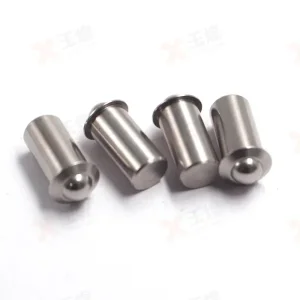
| Retention Types | Press-in Ferrules, Snap-in Retainers, Floating Spring-loaded |
| Anti-Corrosion Finish | Eco-friendly Zinc-Nickel, Black Oxide, Passivation (>720h Salt Spray) |
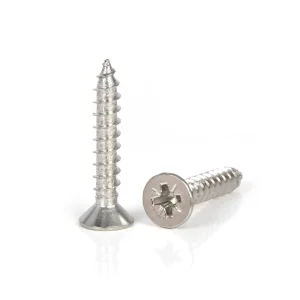
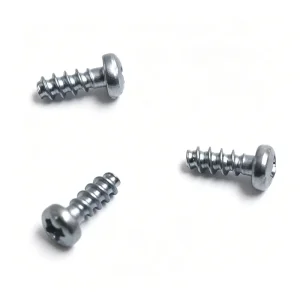
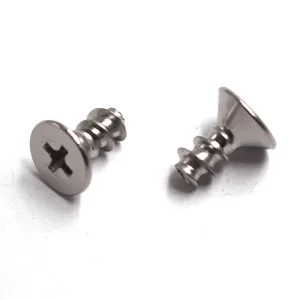
| Drive Configurations | Phillips, Torx Tamper-Resistant, Slotted, Knurled Thumb |
Custom captive retention mechanisms designed to withstand tropical humidity, extreme heat cycles, and mechanical shocks.
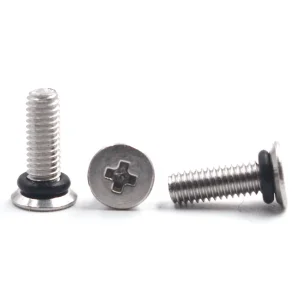
Offshore extraction and refining skids require stainless steel (SUS316) captive screws with integrated fluorocarbon O-rings to prevent seawater aerosol degradation and safeguard delicate calibration boards.
Automotive assembly clusters in Kaduna and Ogun states leverage our custom shoulder-bearing captive fasteners on engine inspection hatches, streamlining maintenance while cutting part loss on unpaved roads.
Lagos' booming internet exchange infrastructure demands high-density 19-inch server rack hardware. Spring-retracted captive screws provide smooth, zero-backlash mating for critical hot-swappable computing blades.
What tier-1 manufacturing enterprises scrutinize before signing volume supplier agreements.
Direct spectral material analysis and full heat-lot documentation. Mill test certificates (MTR) accompany every batch, certifying exact austenitic or carbon composition and eliminating brittle failure risks.
Automated 360-degree laser imaging stations check pitch diameters, concentricity, and unthreaded shank geometry at over 800 parts per minute, assuring defect-free automation feeding for clients.
Streamlined freight integration from Shenzhen/Guangzhou ports to Apapa and Tin Can Island ports in Lagos, backed by dedicated packing architectures to shield shipments from marine transit moisture.
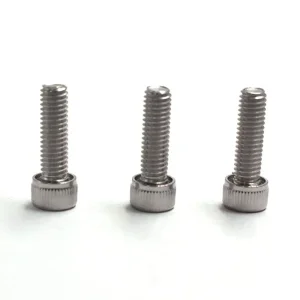
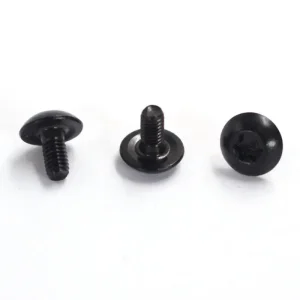
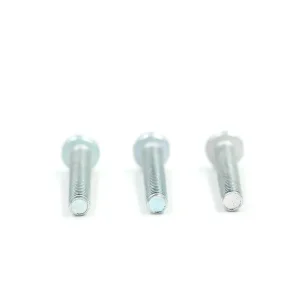
Explore our full line of specialized hardware designed for global industrial deployment and high-volume Nigerian infrastructure installations.
Everything engineering and procurement teams need to know regarding customization, lead times, and Nigerian import compliance.
