Engineered for cold-rolled steel, galvanized plate, stamping assemblies, and thin-wall extrusions requiring zero stripping and high torque retention.
Evaluating the evolution from traditional thermal spot-welding and tapping methods to precision cold-headed, self-clinching, and thread-rolling systems.
Thermal resistance welding produces heat-affected zones (HAZ), surface discoloration, spatter, and volatile structural warping in sheet thicknesses below 1.5mm. Advanced self-clinching and cold-formed thread fasteners eliminate metallurgical distortion, preserving pre-painted, electro-galvanized, and anodized coatings without post-weld dressing.
Traditional cutting taps sever grain flow lines, reducing thread engagement in thin panels. Trilobular thread-rolling fasteners (conforming to DIN 7500 standards) plastically displace ductile sheet metal, work-hardening the internal mating thread and creating high break-loose torque and superior resistance to vibrational loosening.
The adoption of 5000/6000-series structural aluminum, magnesium alloys, and ultra-high-strength steels (UHSS) requires fasteners engineered against galvanic potential differentials. Zinc-nickel electroplating and Delta-Protekt barrier coatings isolate dissimilar metals, preventing electrochemical degradation in severe field conditions.
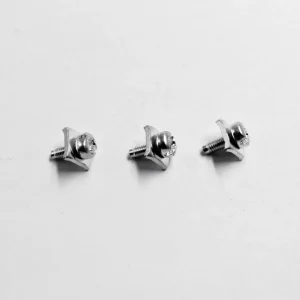
For self-clinching studs, standoffs, and nuts, the fastener must maintain a surface hardness of at least HRB 20 (or HV 80) greater than the host panel. Clinching into stainless steel panels (such as 304/316 at HRB 88 max) mandates specially hardened 400-series stainless fasteners or nitrided alloy steels. Failing this hardness gradient prevents proper ductile cold flow into the undercut groove, compromising push-out and torque-out resistance.
How Fortune 500 OEMs, Tier-1 automotive integrators, and contract manufacturers audit, qualify, and stabilize their sheet metal fastener supply chain.
Fasteners typically account for less than 3% of total Bill of Materials (BOM) cost, yet represent over 45% of component count and assembly touchpoints. Low-quality fasteners resulting in head-snapping, thread stripping, or cam-out can halt automated SMT or robotic assembly lines. Strategic sourcing prioritizes CPK/PPK process stability (>1.67) over marginal unit price differentials.
Global hardware must comply with RoHS Directive 2011/65/EU (and amendment 2015/863), REACH (SVHC restricted chemicals), and Dodd-Frank Section 1502 Conflict Minerals declarations. Automotive components require complete Material Data Sheets entered directly into the International Material Data System (IMDS) with Level 3 PPAP documentation.
High-speed automated assembly tools require zero dimensional deviation. Using high-resolution CCD glass disc optical inspection systems, cold-headed fasteners undergo 360-degree laser scanning for shank straightness, head concentricity, recess depth, pitch diameter, and microscopic thread burrs to guarantee an automated feed acceptance rate of 99.999%.
Inside YH Fastener’s integrated production clusters across Dongguan, Shaoguan, and Wuhan — delivering cost-efficiency and metallurgical precision at scale.
Operating multi-die, multi-blow high-speed cold heading equipment. Heading cold wire maintains structural metal grain continuity without shearing fibers, increasing tensile resistance and fatigue limits compared to single-spindle screw machine turning, while slashing raw material waste to near zero.
In-house continuous mesh-belt carbonitriding and neutral atmosphere quenching furnaces prevent surface decarburization. Controlled atmosphere monitoring ensures precise case depth penetration (0.05mm - 0.20mm) and prevents core embrittlement, meeting strict automotive ISO 898-1 Property Classes (8.8, 10.9, 12.9).
Every production batch undergoes destructive tensile pull tests, shear test fixtures, Vickers micro-hardness depth profiling, Fischer X-ray fluorescence plating thickness verification, and 1,000-hour neutral salt spray testing (ASTM B117) to prevent hydrogen embrittlement and field fatigue failure.
| Fastener Architecture | Host Sheet Compatibility | Typical Pre-Hole Method | Primary Mechanical Advantage | Vibration Resistance Rating |
|---|---|---|---|---|
| Self-Clinching Studs & Nuts | Cold-rolled steel, Al 5052/6061, Brass | Punched or Laser Cut | High push-out & torque-out resistance, flush reverse side | High (Permanent Clinch Mechanical Interlock) |
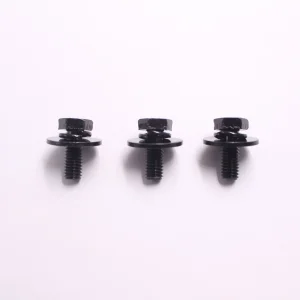
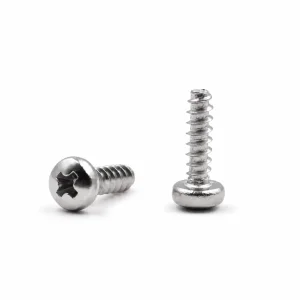
| Trilobular Thread-Forming (SEMS) | Sheet steel up to 6mm, Structural Al | Drilled / Extruded Punch Hole | No tapping chips, work-hardened internal female thread | Superior (Prevailing Torque Friction) |
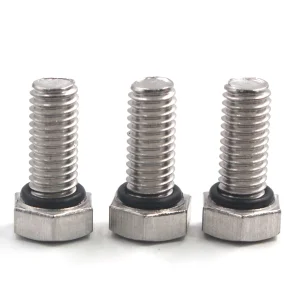
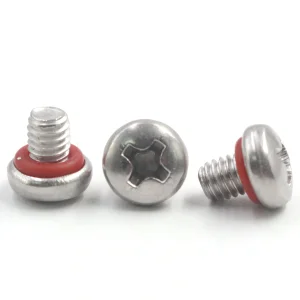
| Sealing Screws with Under-Head O-Ring | Sheet metal chassis, Die-cast housings | Drilled / Countersunk Clearance Hole | Hermetic sealing against dust, liquids, and gases (IP67/IP68) | High (Elastomeric Ring Preload Tension) |
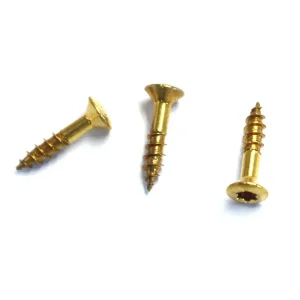
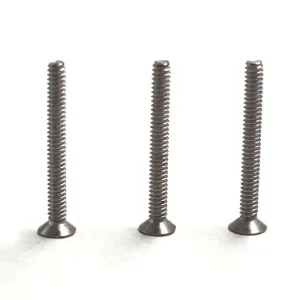
| Cross Recess Countersunk Tapping | Sheet metal panels, Plastics, Composites | Dimpled or Punched Countersink | 100% flush installation, aerodynamic & clearance optimization | Medium to High (Material Dependent) |
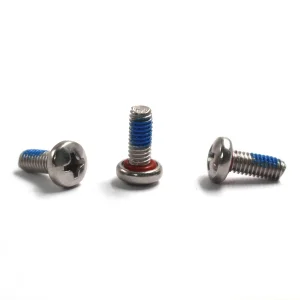
| Pre-Applied Nylon Patch Screws | Pre-tapped stamping, Weld nuts, Clinch nuts | Standard Threaded Clearance | 360-degree prevailing torque locking, multi-reusability | Maximum (Resists Severe Dynamic Vibration) |
How YH Fastener configurations solve mechanical assembly challenges across mission-critical vertical industries.
Structural battery enclosures, thermal management plates, and power distribution modules demand hermetic integrity and high vibration endurance. We engineer custom stainless steel 316 and zinc-nickel coated fasteners with integral fluorosilicone and EPDM seals to guarantee IP68 ingress protection while isolating cells from galvanic moisture corrosion.
In 19-inch high-density server enclosures, high mechanical resonance from liquid cooling pumps and fan modules can back-out traditional screws. Our captive screws with pre-applied blue/yellow nylon locking patches and precision SEMS screws with conical Belleville spring washers absorb micro-shock loads, maintaining clamp force.
Photovoltaic tracking linkages and utility-scale inverter chassis face 25+ years of continuous atmospheric exposure, thermal expansion cycles, and high wind-load buffeting. We supply austenitic 304 and 316 stainless steel fasteners passivated with nitric-acid dips to achieve 1,500+ hours of salt spray performance without red rust.
Direct answers to complex mechanical design, assembly integration, and fastener metallurgy questions.
For steel sheet assemblies, the target engagement length should be at least 1.0 to 1.5 times the nominal screw diameter to prevent stripping of the female parent thread. When fastening into thin sheets where panel gauge is less than the pitch of the screw, we recommend plunge extruded pierced holes to extend the cylindrical collar height, or specifying self-clinching threaded nuts and standoffs that furnish full ISO thread profiles.
Thread-cutting screws feature cutting flutes and chip reservoirs that remove material during drive-in. While effective in brittle materials, this creates loose conductive chips that can short-circuit electronic enclosures. Thread-rolling (forming) fasteners utilize a trilobular shank geometry that cold-flows ductile metal without chips, work-hardening the mating material and yielding significantly higher resistance to back-out vibration.
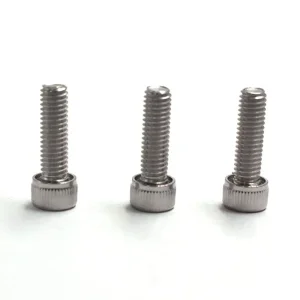
Hydrogen embrittlement occurs primarily in carbon and alloy steels heat-treated to hardness levels above 320 HV (Property Class 10.9 and 12.9) during acid pickling and electrolytic electroplating. We follow strict de-embrittlement baking procedures (conforming to ISO 4042 / ASTM F1940) at 200°C–230°C within 4 hours of electroplating for a minimum soak time of 8 to 24 hours depending on the part geometry and tensile core grade.
Standard 300-series (304 or 316) austenitic stainless steel clinching hardware cannot be securely clinched into 300-series sheets because both materials possess comparable ductile hardness (approx. HRB 80-90). Attempting this causes the clinch rib to collapse instead of penetrating the host metal. We resolve this by manufacturing clinch parts from precipitation-hardened martensitic stainless steels (such as 410 or custom grades) treated up to HRC 37-42, enabling cold flow into austenitic sheets.
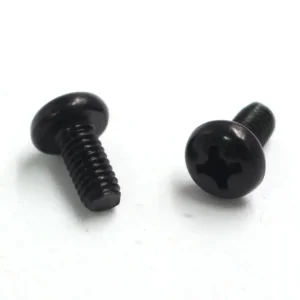
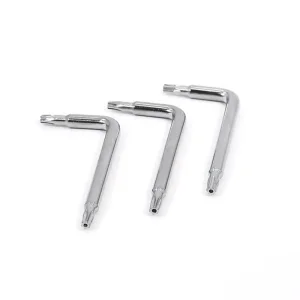
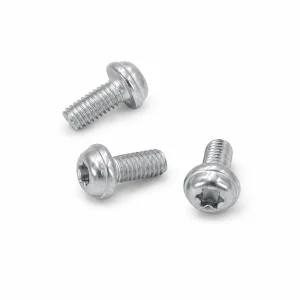
Phillips drives are historically designed to cam-out at high torque levels to prevent thread stripping, but this causes bit slippage, driver wear, and panel scratching in modern automated screwdriving lines. Torx (hexalobular, ISO 10664) features a near-zero drive angle (15 degrees vs 60 degrees on Phillips), transferring high seating torque without axial push-down force, extending tool bit lifespan by up to 1000%, and eliminating assembly surface damage.
High-speed self-tapping, robotic locating pins, IP67 sealing screws, and precision micro-machine fasteners manufactured to rigorous international OEM standards.
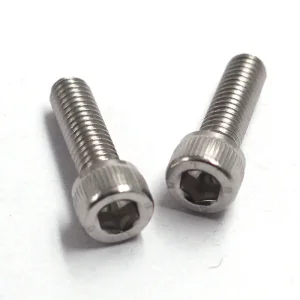
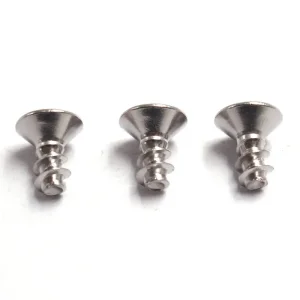
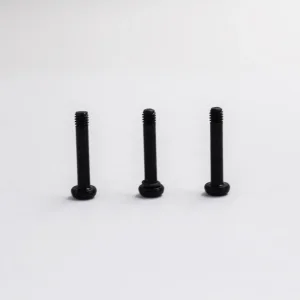
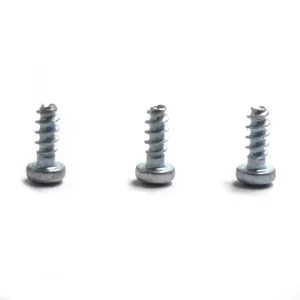
Share your 2D engineering drawings (PDF/DWG) or 3D STEP models. Our senior application engineers evaluate feasibility, material selection, clamp load requirements, and provide a full DFM analysis within 24 hours.
Request Catalog & Technical DFM Review