1 / 5
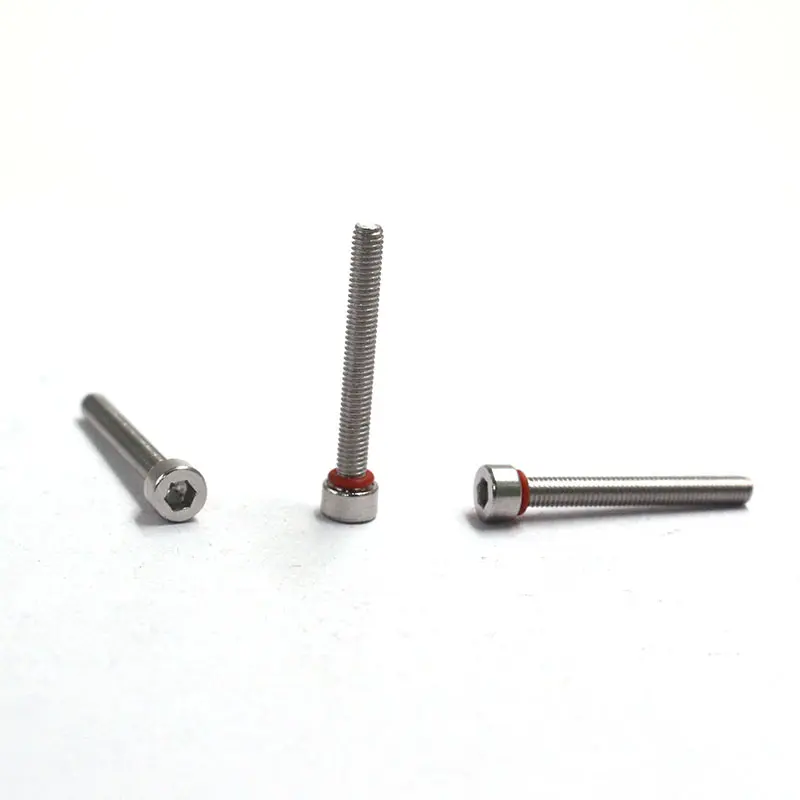
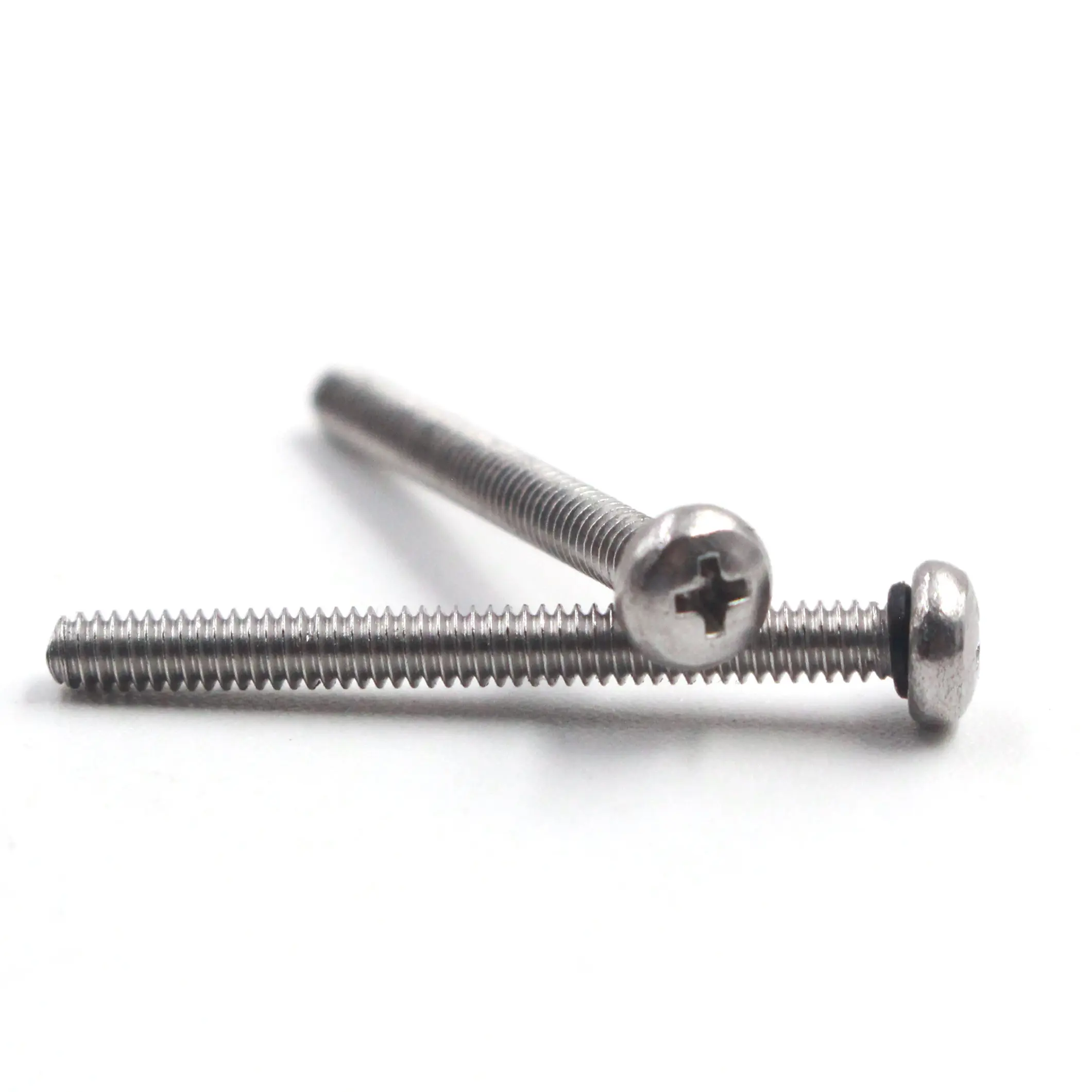
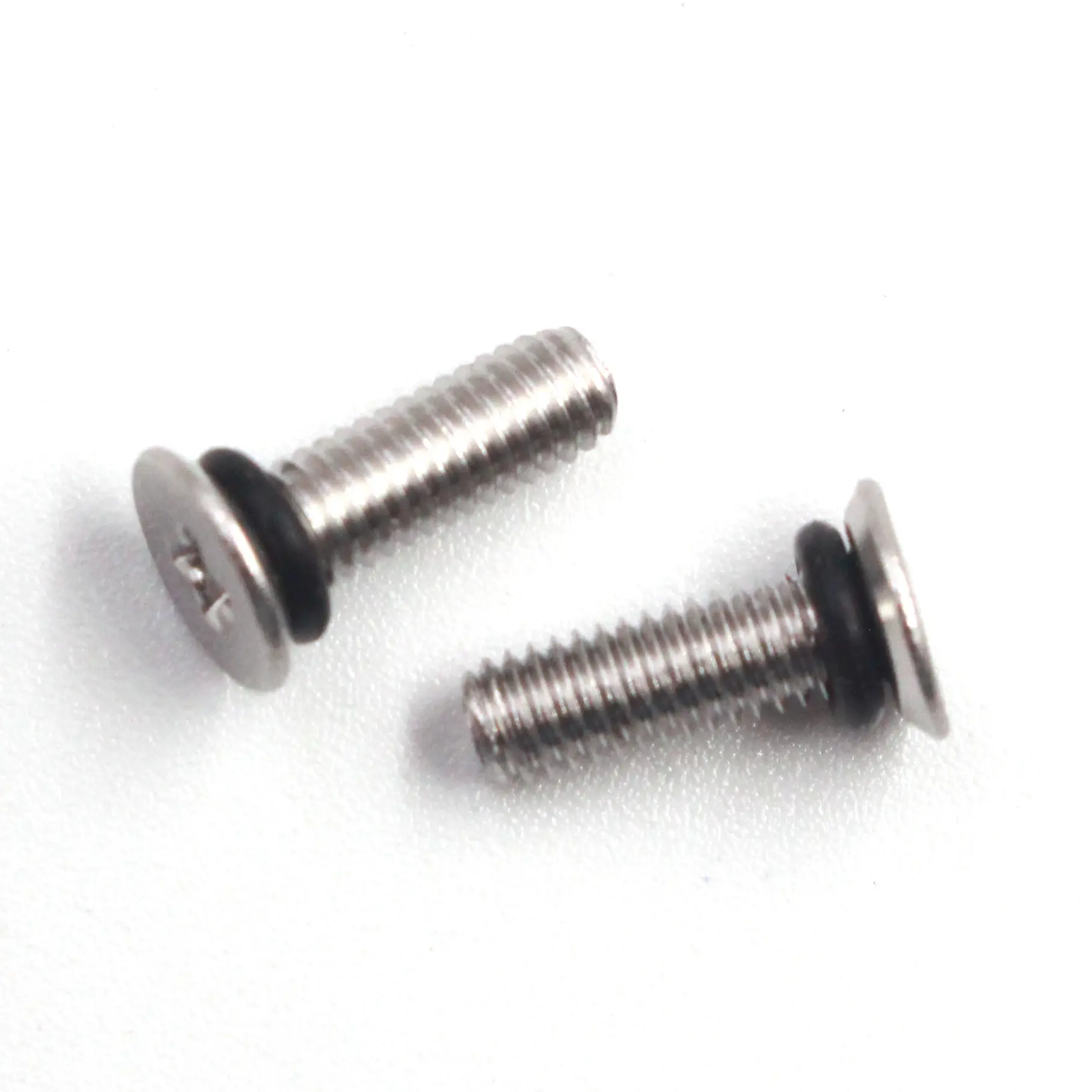
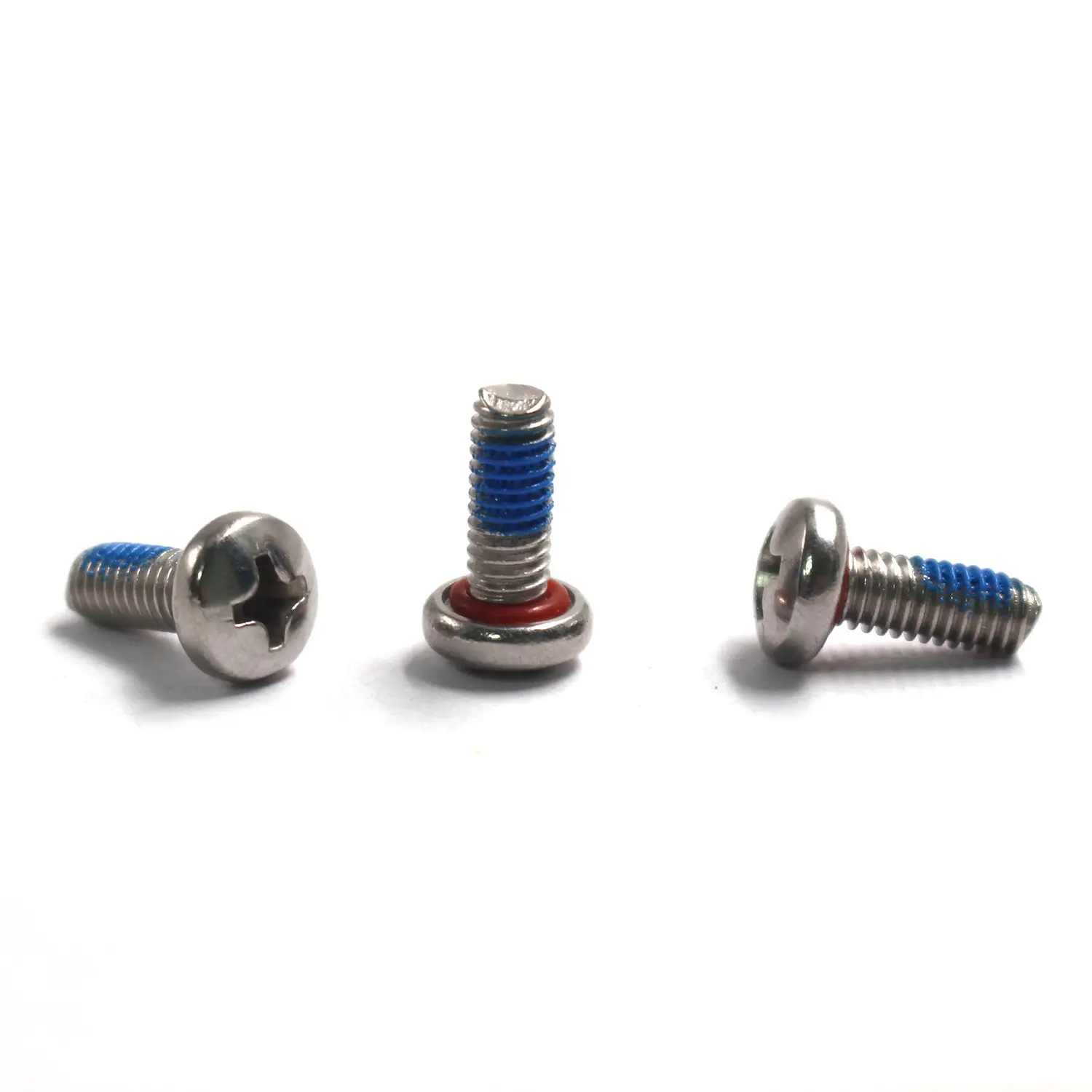
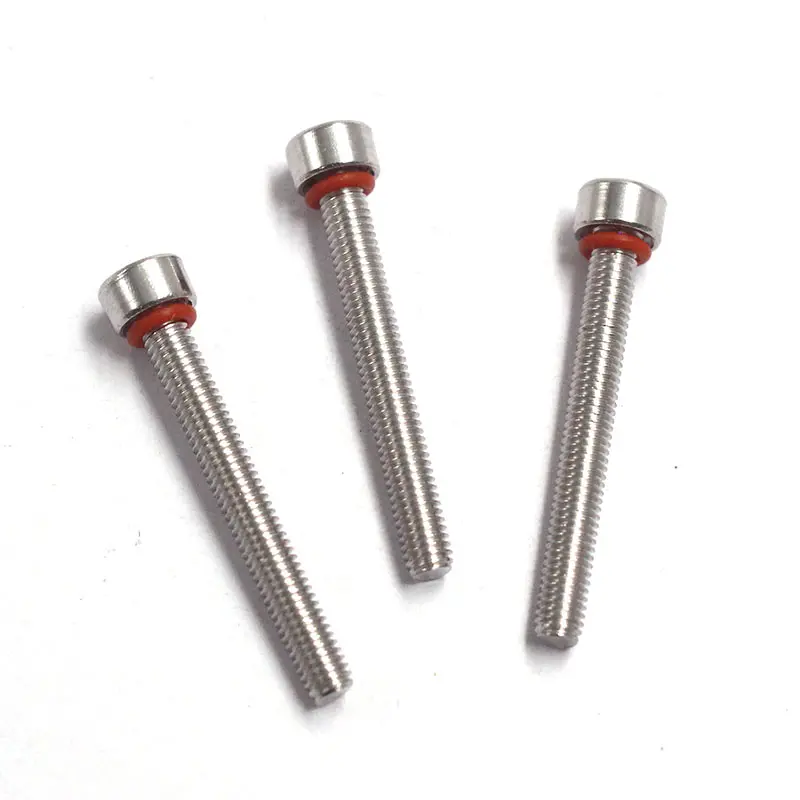
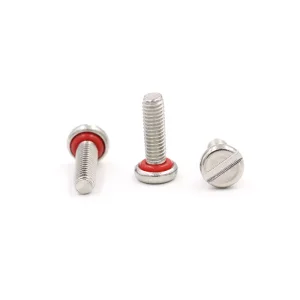
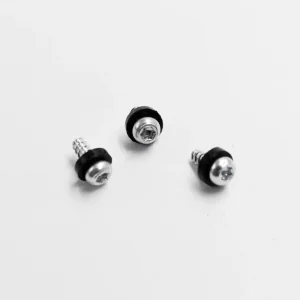
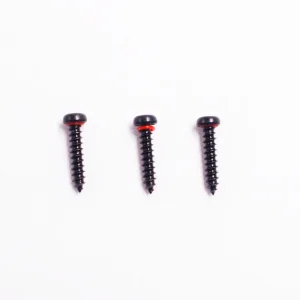
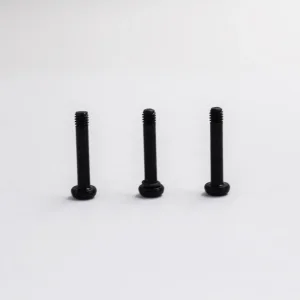
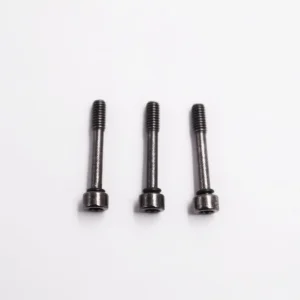
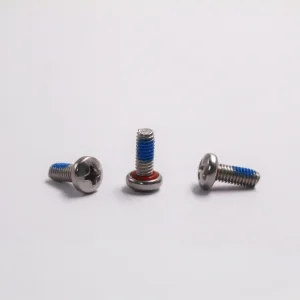
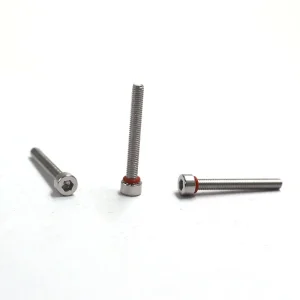
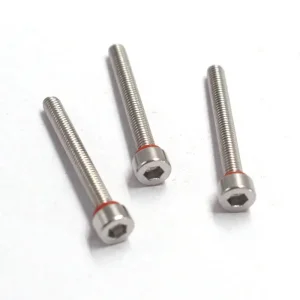
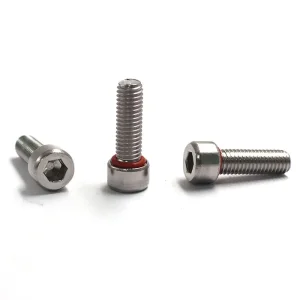
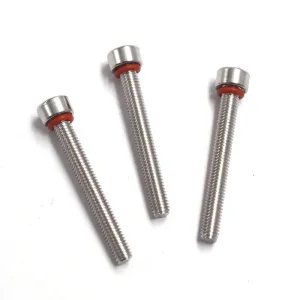
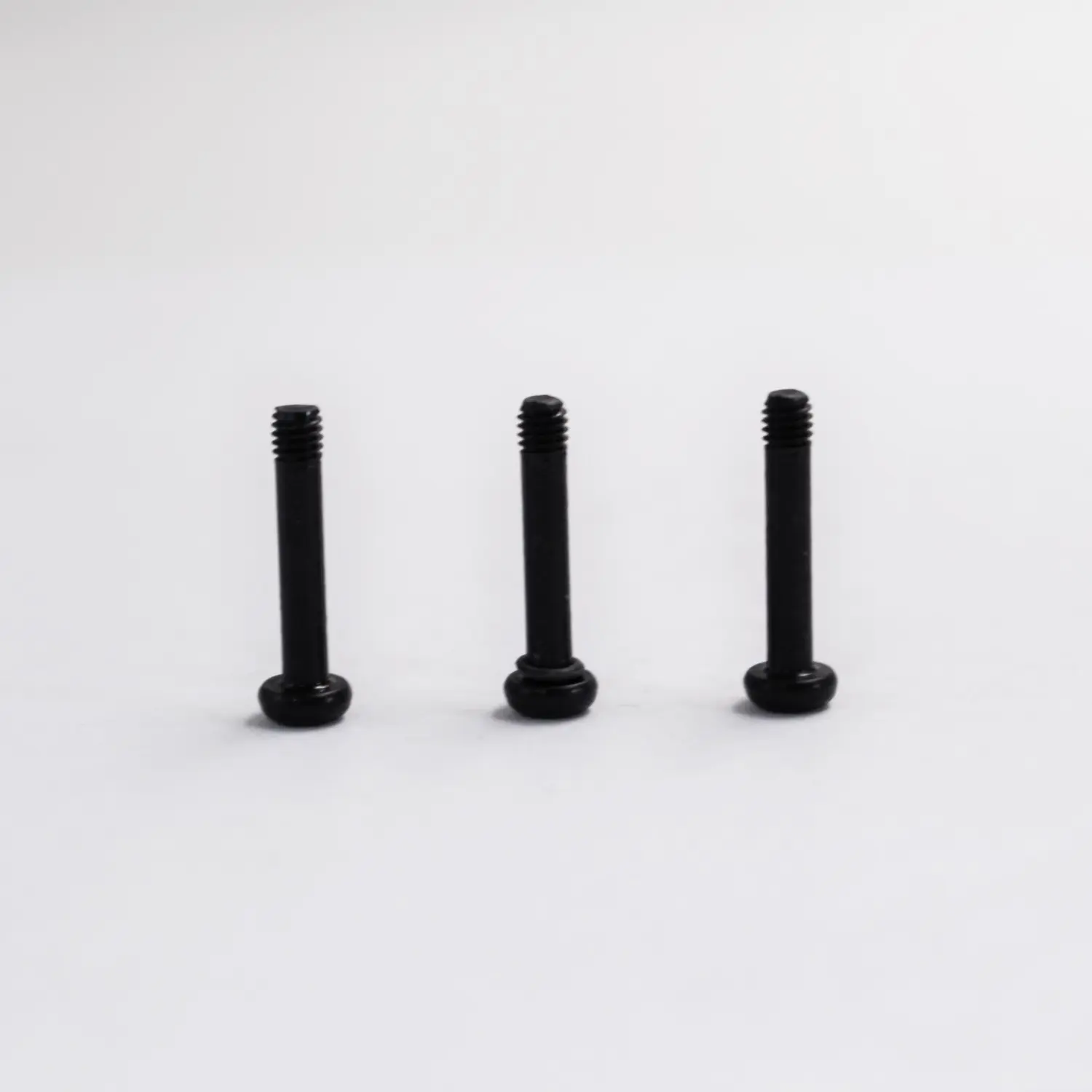
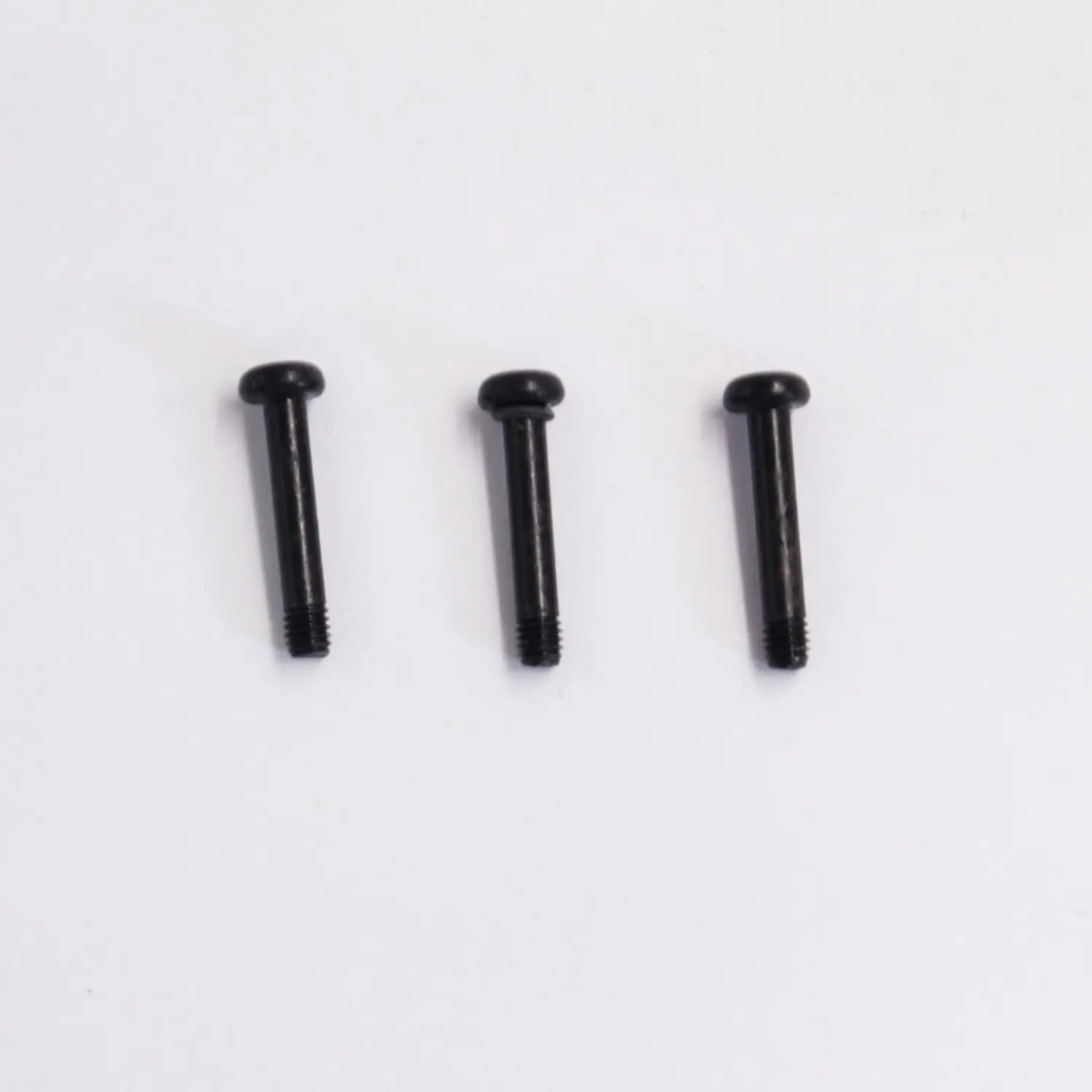
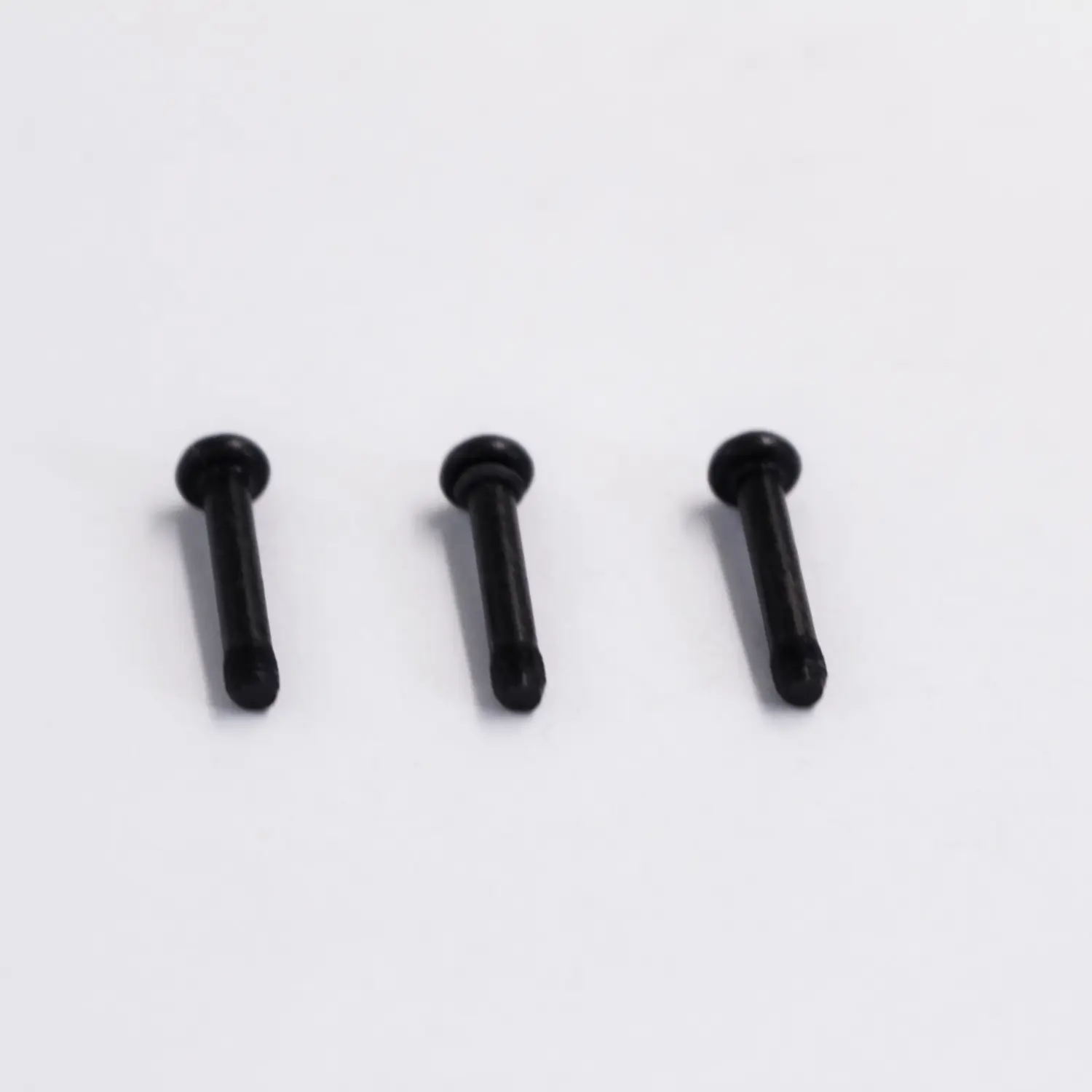
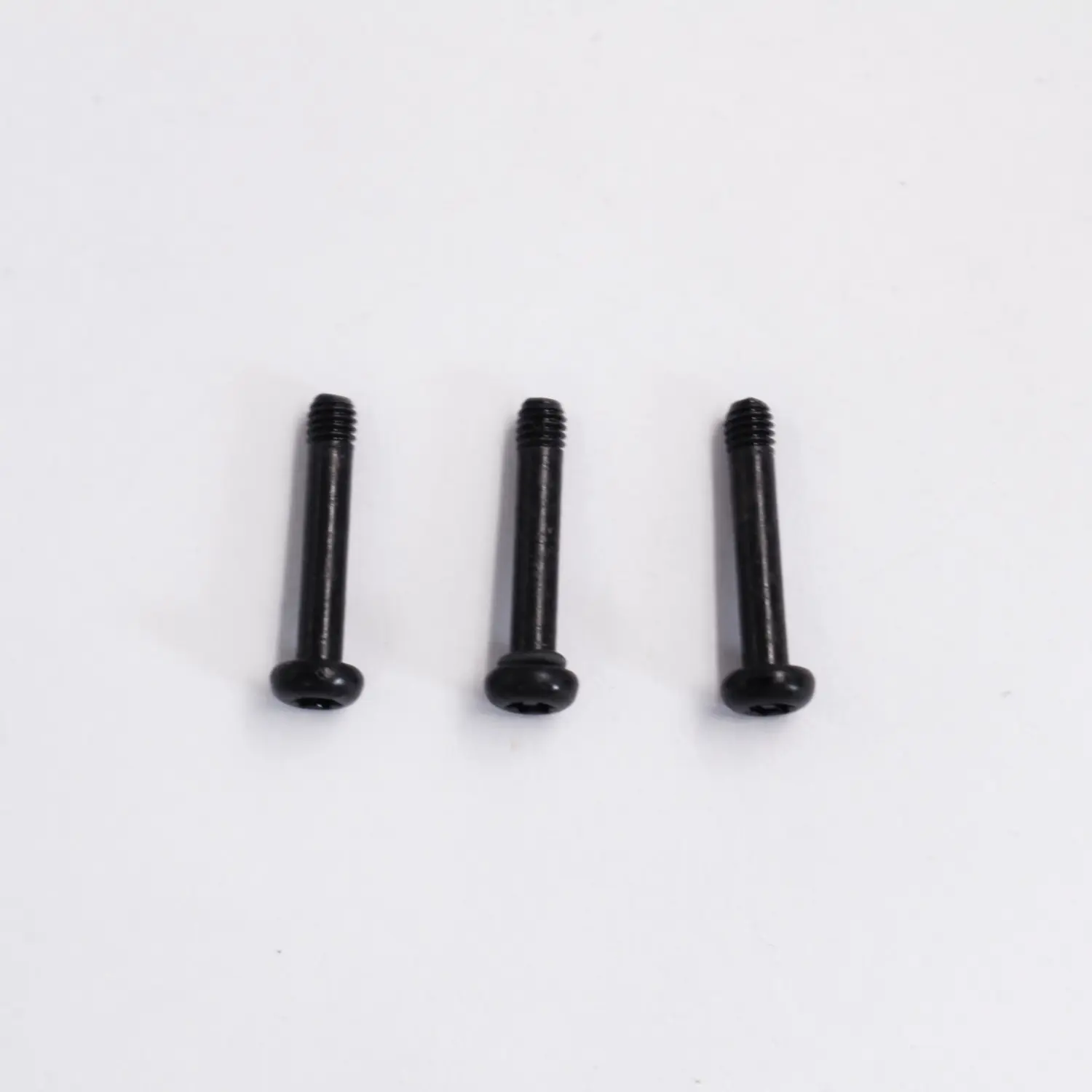
Self-sealing screws and bolts feature an integrated captive O-ring or elastomeric seal positioned beneath the head. When torqued into place, the seal compresses to create a 360-degree hermetic barrier against water, oils, chemicals, and gases.
The fastener body is typically manufactured from high-grade stainless steel (such as 304 or 316) for superior corrosion resistance, while the integrated sealing rings are commonly made from Silicone, Buna-N (Nitrile), Viton (Fluorocarbon), or EPDM depending on temperature and chemical exposure.
Yes, in many applications self-sealing screws are reusable. However, the rubber O-ring must be inspected for physical deformation, cracking, or chemical degradation before re-tightening to ensure full hermetic performance.
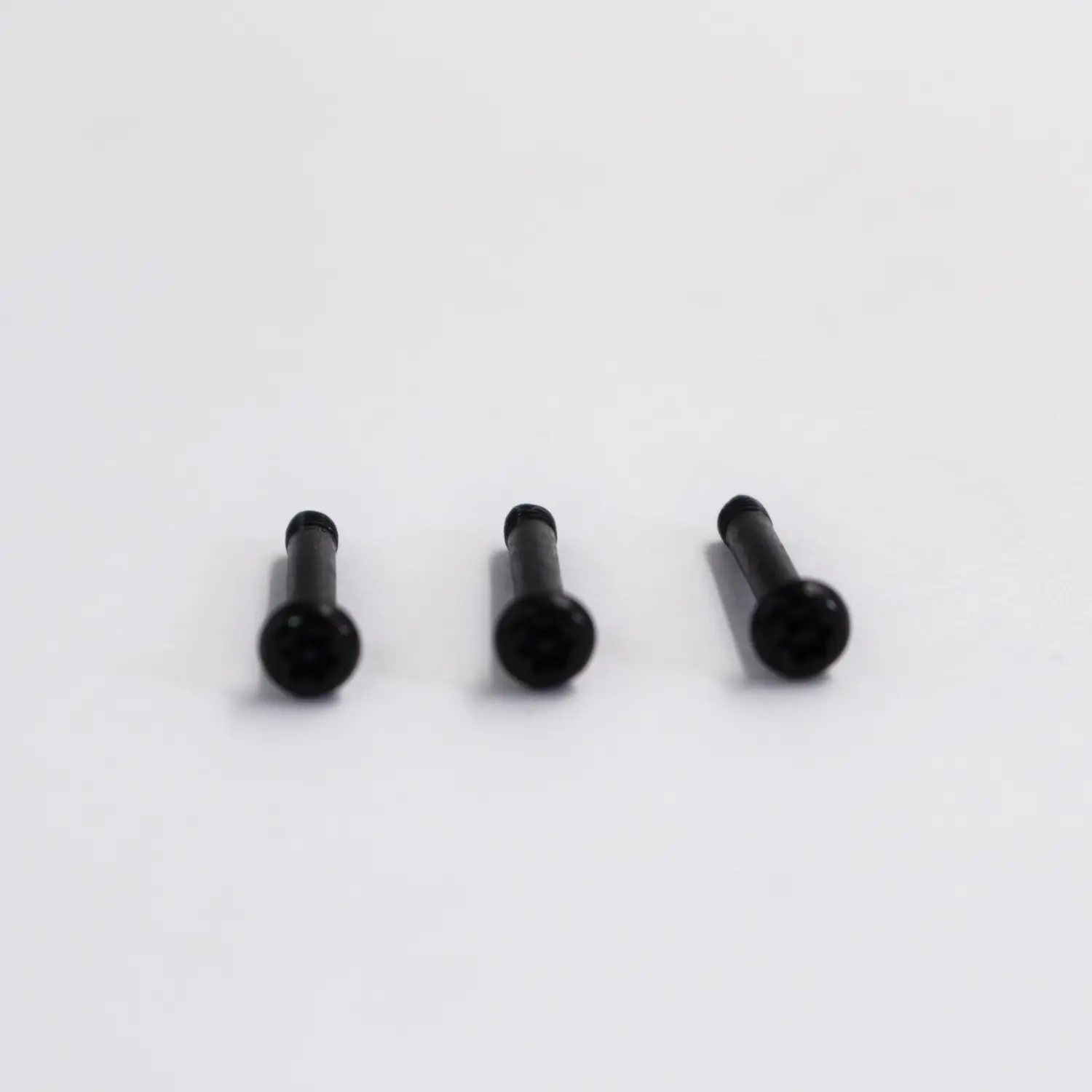
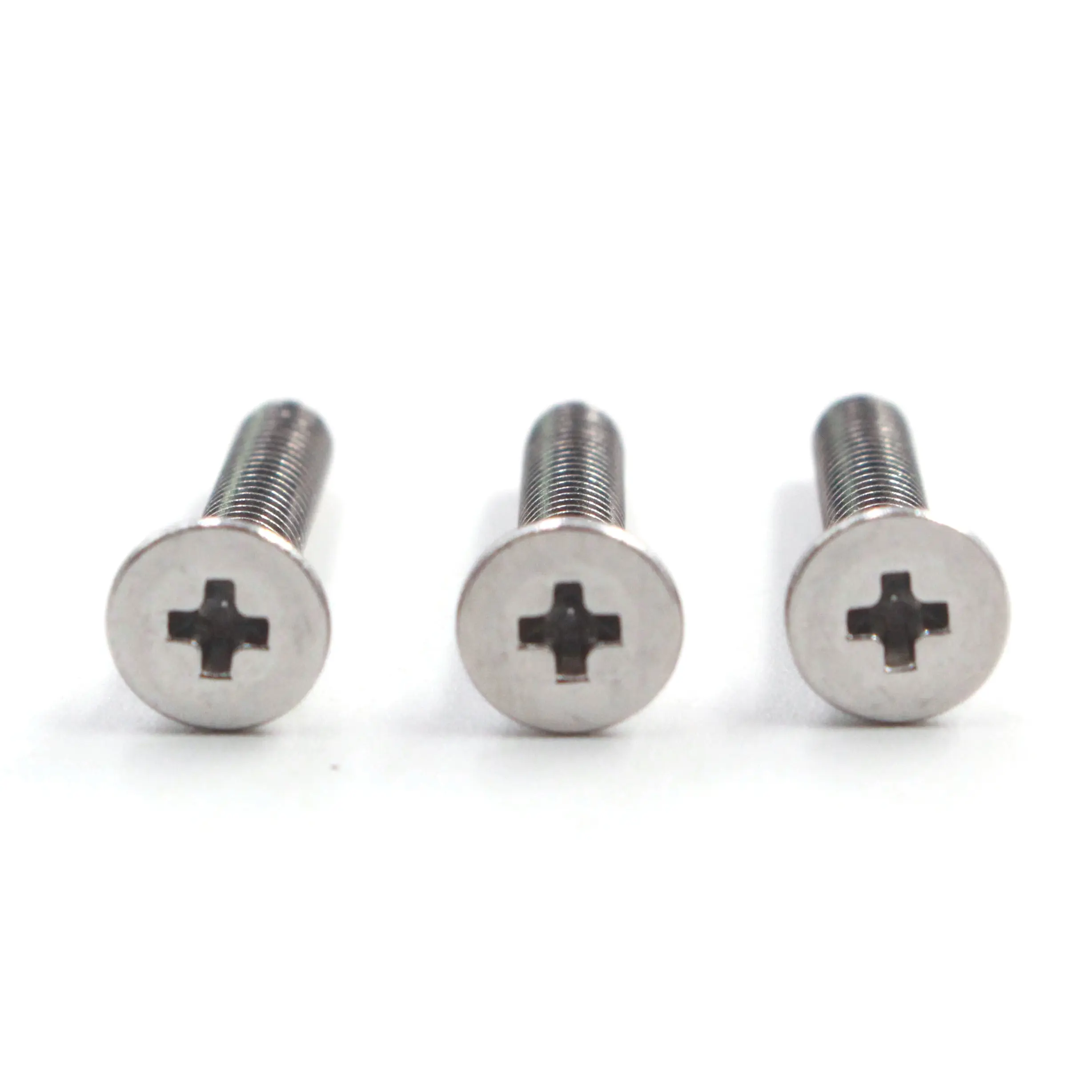
Common configurations include Pan Head, Flat/Countersunk Head, Button Head, and Hex Head, paired with Phillips, Torx (Star), Slotted, or Socket drives to meet both surface-flush and high-torque assembly requirements.
They are widely used in industrial equipment enclosures, electronic control panels, marine systems, automotive fluid systems, medical instruments, and aerospace apparatus where preventing fluid leakage or environmental contamination is critical.