High-integrity hardware engineered for outdoor new energy infrastructure, electrical enclosures, and severe mechanical environments.
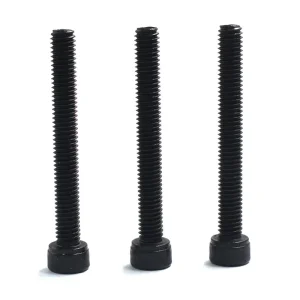
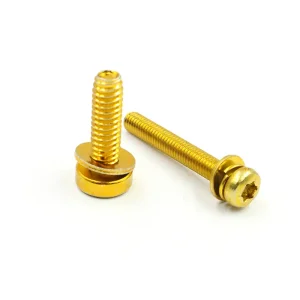
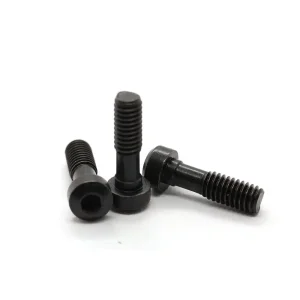
The worldwide deployment of utility-scale Battery Energy Storage Systems (BESS), solar power arrays, and DC fast-charging stations is driving a structural paradigm shift in fastener engineering.
The global shift toward green decarbonization has transformed outdoor electrical enclosures from passive protective boxes into dense, mission-critical energy management centers. In modern utility-scale BESS installations, containerized energy cabinets house thousands of interconnected prismatic or pouch battery cells, multi-megawatt bi-directional inverters, and high-pressure liquid cooling loops. Under these conditions, mechanical fasteners are no longer minor passive commodities; they act as primary engineering barriers against dielectric failure, water ingress, and catastrophic thermal runaway.
Unlike static indoor switchgear cabinets, new energy infrastructure faces harsh combined environmental stressors: wide diurnal temperature shifts (−40°C to +85°C), cyclical harmonic vibrations induced by high-output cooling pumps, and exposure to corrosive marine or industrial chemical environments (C4/C5-M corrosivity categories). Fasteners deployed within these enclosures must demonstrate zero structural relaxation, reliable pre-applied thread friction control, galvanic compatibility across mixed alloys (such as austenitic stainless steels clamped against lightweight aluminum sheets), and verified IP67/IP68 hermetic sealing.
Four core industrial vectors shaping the design, metallurgy, and surface chemistry of cabinet fastening systems.
Transitioning away from conventional hexavalent chrome and acidic electroplating toward nano-zinc flake, PTFE, and micro-encapsulated inorganic barrier finishes to completely eradicate hydrogen embrittlement risks in high-tensile Class 8.8 and 10.9 structural bolts.
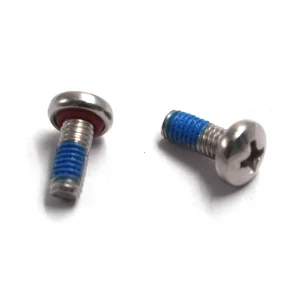
Integration of micro-encapsulated anaerobic adhesives (thread-locking patches) and custom tooth-serrated SEMS conical lock washers that sustain clamping preload throughout thousands of hours of resonant shock (Junker test standard ISO 16130).
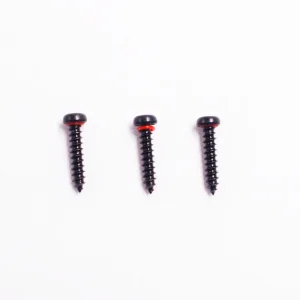
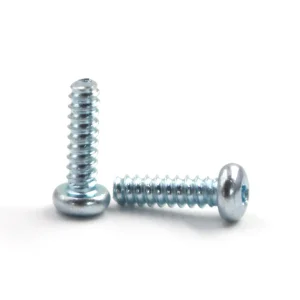
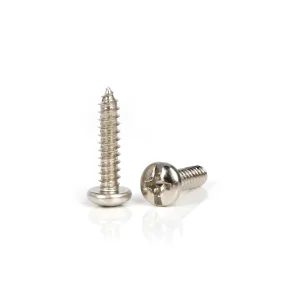
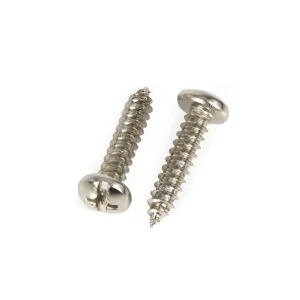
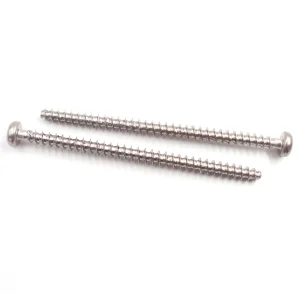
Direct-threading PT geometry engineered specifically for high-load thermoset composites, glass-fiber polyamides, and lightweight structural sheet metals, drastically reducing hoop stress and eliminating tapping chips.
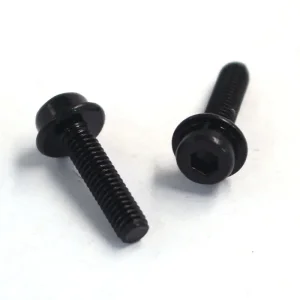
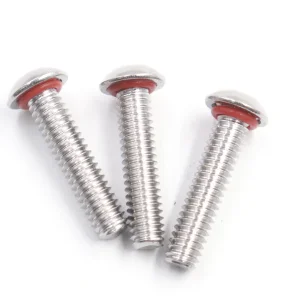
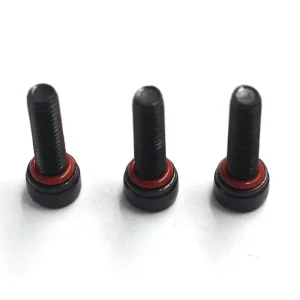
Co-molded and bonded elastomeric systems (Fluorosilicone, EPDM, HNBR) nested directly into undercut bearing heads. These designs establish continuous 360-degree radial sealing against moisture, atmospheric humidity, and oil ingress during extreme climatic fluctuations without washer creep.
How specialized fasteners resolve critical challenges across the entire clean energy infrastructure matrix.
Inside lithium battery racks, busbar connections experience intense electrical cycling and mechanical swelling. High-conductivity brass screws, copper-plated studs, and vibration-proof stainless steel SEMS assemblies maintain consistent contact pressure while preventing electrical arc faults.
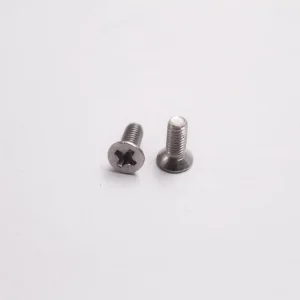
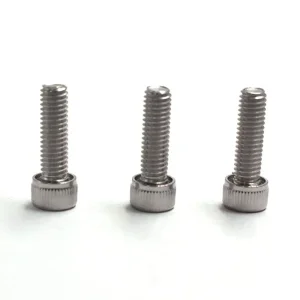
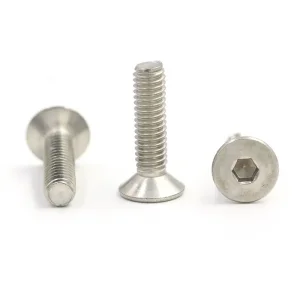
Utility-scale PV string inverters generate significant thermal gradients while enduring direct solar UV exposure. Custom countersunk and socket fasteners with specialized passivation films shield enclosure seams from localized crevice corrosion and micro-cracking.
Public charging dispensers face physical vandalism, driver impact hazards, and street-level water splash. Anti-tamper security fasteners paired with integrated sealing O-rings prevent unauthorized access while maintaining certified IP67 weather-proofing.
YH Fastener delivers end-to-end ODM production ranging from 3D CAD modeling and finite element analysis (FEA) to rapid tooling, cold-heading, vacuum heat treatment, and automated optical sorting. Our engineering review eliminates costly redesign loops and ensures flawless compliance with international DIN, ISO, ANSI, and JIS standards.
Rigid adherence to IATF 16949 automotive standards across every physical dimension and chemical barrier layer.
| Fastener Category | Material Metallurgy | Core Performance Class | Surface Treatment / Barrier | Typical Cabinet Application |
|---|---|---|---|---|
| Sealing SEMS Screws | AISI 304 / 316 Stainless, Carbon Steel 1022A | Class 4.8, 8.8, 10.9 | EPDM / Silicone O-ring + Geomet Zinc Flake | Exterior Cabinet Doors, Inverter Shells |
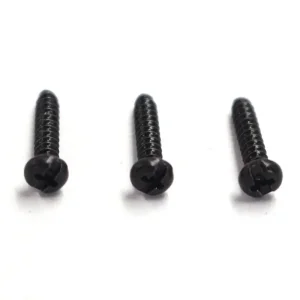
| Direct-Threading PT Screws | Hardened Case Boron Steel, SUS410 | Vickers Hardness HV 450–550 | Trivalent Zinc Blue / Black Zinc Cr3+ | Internal BMC / SMC Composite Sub-racks |
| Anti-Loosening Patch Screws | Medium Carbon Steel SCM435, SUS304 | Class 8.8 / 10.9; A2-70, A4-80 | 360° / 180° Pre-applied Polyamide Patch | Cooling Pump Mounts, High-Vibration Fans |
| Conductive Grounding Studs | High-Purity C3604 Brass, Phosphor Bronze | Yield Strength > 350 MPa | Tin Plating / Bright Nickel / Silver Flash | Cabinet Equipotential Grounding Busses |
| Tamper-Resistant Security Screws | Cold Forged A2 Stainless, Alloy Steel | Class 8.8 equivalent | Passivated / Dacromet Corrosion Barrier | Public EV Charger Enclosures, Solar Inverters |
Technical responses to key questions raised by new energy equipment designers and tier-1 procurement executives.
Direct metal-to-metal contact between austenitic stainless steel (e.g., 304 or 316) and aluminum cabinet frames triggers accelerated galvanic oxidation in humid environments. We resolve this by applying micro-encapsulated organic barrier sealers, non-conductive topcoats, or delivering fasteners with captive EPDM/polyamide non-conductive isolator washers that break the electrical circuit between disparate metals.
Depending on destination requirements (such as coastal or desert sites), our fasteners undergo neutral salt spray testing (ASTM B117) ranging from 500 hours up to 2,000 hours without red rust. We achieve this utilizing multi-layer zinc-nickel alloy plating with organo-mineral passivations or advanced Geomet/Dacromet flake coatings.
Yes. Our PT geometry screws are custom-engineered with a 30-degree flank angle and optimized thread pitch. This design reduces radial expansion forces by up to 50% compared to conventional 60-degree sheet metal threads, preventing cracking in delicate battery management system (BMS) brackets and thermoplastic housing bosses.
Split-ring washers often relax and flatten under high thermal cycling, losing clamp tension and scoring mating surfaces. Pre-applied micro-encapsulated polyamide patches create an engineering interference fit within the mating threads, maintaining prevailing torque and preventing vibration-induced loosening under continuous resonant harmonic conditions.
Precision-manufactured non-standard metric machine screws, IP67 sealing fasteners, and automotive-grade drive systems.