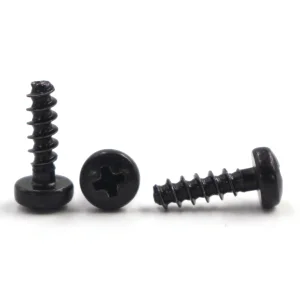
Pre-engineered thread-forming, self-tapping, and vibration-resistant mechanical hardware engineered for thin-gauge metals, extruded alloys, and structural modules.
Overcoming strip-out, cross-threading, and galvanic degradation through advanced thread-rolling kinematics and multi-zone heat treatment.
By executing asymmetric cold roll threading, the screw creates an elastic-plastic deformation zone in thin sheet steel (0.6mm–2.0mm). This reduces drive torque by 35% while providing 40% higher resistance against rotational vibrational loose-off.
Utilizing targeted localized case-hardening techniques, our assembly screws feature a lead-in point hardened to HV 650–750 for punching through high-strength alloys (such as DP600), while the core shank retains 320–400 HV for superior shear ductility.
Eliminating hydrogen embrittlement risks caused by conventional acid electroplating, our multi-stage non-electrolytic zinc flake coatings ensure up to 1,500 hours of neutral salt spray testing (ASTM B117) compliance for exterior sheet metal cabinetry.
Engineered to satisfy specific operational stresses, thermal expansion coefficients, and robotic feed tolerances across mission-critical industries.
Thread-forming screws optimized for automated multi-spindle installation into aluminum EV battery pack covers and cold-rolled car bodies. Delivers grounded electrical continuity, gas-tight sealing, and uncompromised fatigue resilience during high-G shock events.
Designed for 19-inch rack modules, datacom cabinets, and 5G base stations. Special dog-point pilots provide rapid blind self-alignment, eliminating thread galling during rapid maintenance cycles and ensuring permanent zero-play chassis grounding.
Engineered for high-speed orbital robotic driving in galvanized steel white-goods enclosures. Special thread profiles prevent metallic shaving debris contamination in electronic circuits while guaranteeing consistent clamping force without thread stripping.
Fully vertically integrated manufacturing across our 20,000 m² facilities in Dongguan, Shaoguan, and Wuhan. Complete end-to-end traceability from raw wire rod to finished lots.
| Engineering Dimension | YH Fastener Production Standards | Industry Standard Benchmarks | Procurement Advantage |
|---|---|---|---|
| Dimensional Tolerances | Precision cold heading to ±0.02 mm (ISO 4759-1 Grade A) | ±0.05 mm – ±0.10 mm (Grade B/C) | Prevents feeder jam in high-speed auto-screwdriving robots |
| Hydrogen Embrittlement | Automated de-embrittlement baking: 200°C – 220°C for 8–12 hrs | Standard batch baking (4 hrs) | Guarantees zero delayed catastrophic failure in Class 10.9/12.9 |
| Optical Sorting Inspection | High-speed 360° multi-camera visual & eddy-current sorting | Manual AQL statistical sampling (MIL-STD-105E) | Guarantees defect rate < 15 PPM for automotive production lines |
| Torque-to-Tension Calibration | Full laboratory digital Schatz® friction coefficient analysis | Simple break-torque verification | Accurate clamping force control; eliminates thread stripping |
| Production Capacity | Over 150 multi-station heading machines, 300 million pcs/month | Fragmented subcontracted mills | Scalable volume scaling with single-source supply chain resilience |
Bridging global design requirements with seamless industrial supply via full regulatory transparency and local engineering collaboration.
For Tier-1 automotive and industrial clients, we supply comprehensive Production Part Approval Process packages, including Design FMEA, Process Control Plans, Material Mill Certs, and live IMDS chemical database entries.
All surface treatment chemistries conform to RoHS 2011/65/EU, REACH (EC 1907/2006) SVHC candidate lists, and California Proposition 65 regulations. Certified free of hexavalent chromium (Cr6+), lead, and hazardous cadmium.
In-house precision toolmaking facilities allow rapid production of cold-heading dies and thread roll plates within 5–7 days. Prototype batches for pilot assembly validation can be dispatched worldwide in under two weeks.
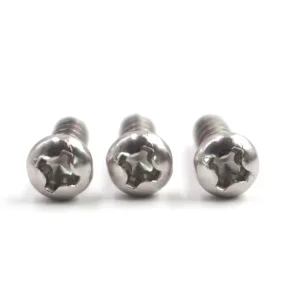
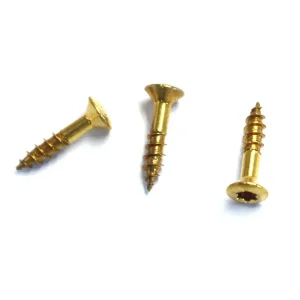
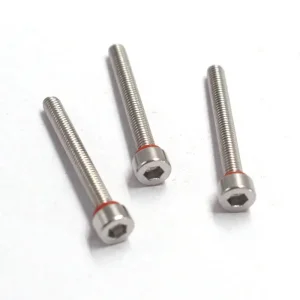
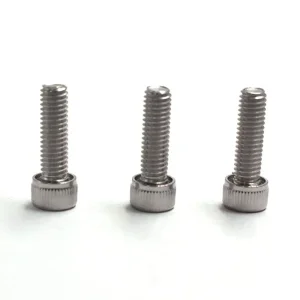
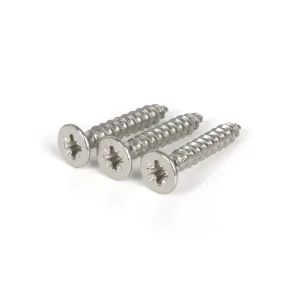
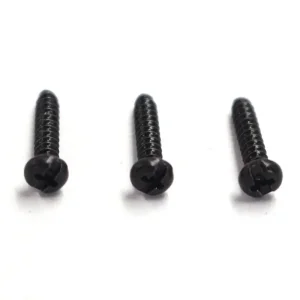
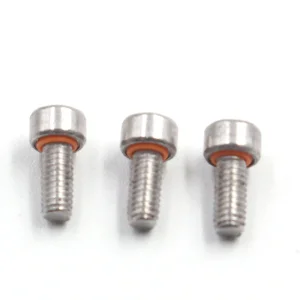
High-durability stainless steel, thread-cutting, metric pan head, and specialized sealing fasteners manufactured to exact engineering prints.
Common questions from hardware design engineers, supplier quality managers, and international procurement specialists.
Thread-cutting screws physically shear away material via cutting flutes, generating micro-swarf that can cause short circuits in electronic components. In contrast, thread-forming screws (such as trilobular geometries) plastically displace the parent sheet metal, rolling an internal mating thread with zero metal shavings while work-hardening the host material for substantially higher strip-to-drive torque ratios.
For ultra-thin sheet applications (0.5mm–0.8mm), we engineer our screws with an under-head serrated flange or an under-cut shank thread that permits full thread engagement up to the bearing surface. Additionally, pairing the fastener with extruded pilot holes (plunging) extends the effective thread engagement length by 200–300%, eliminating stripping during automated high-speed torque driving.
Direct pairing of austenitic stainless steel (SUS304/SUS316) with aluminum in humid or outdoor conditions risks galvanic corrosion. To resolve this, we provide specialized barrier coatings (such as organic topcoats, non-conductive polymer seals, or zinc-nickel plating with Passivation), or incorporate vulcanized EPDM/silicone sealing washers to electrically isolate the dissimilar metals.
We implement 100% multi-station high-speed laser and optical sorting machines that verify head diameter, recess concentricity, thread pitch, and shank straightness on every single part. Defective parts with flashing, bent shanks, or recess deformities are ejected, achieving an automotive-grade quality performance below 15 PPM to protect automatic robotic assembly feed tracks.
Our technical engineering office delivers a full DFM (Design for Manufacturability) feasibility review, including tolerance verification and CAD simulation, within 24 hours. Cold-heading tooling creation and physical pilot samples typically ship within 5 to 7 business days, backed by dimensional inspection reports and material test certificates (MTR).