Engineered to satisfy high-speed feeder requirements with tight diametrical tolerances, defect-free recess geometries, and customized thread profiles. Review our precision screws engineered for micro-electronics, electrical enclosures, and industrial hardware.
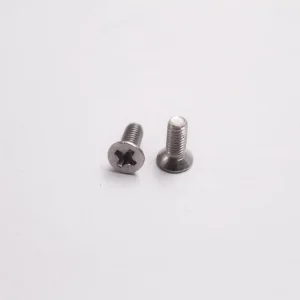
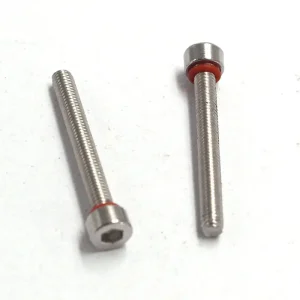
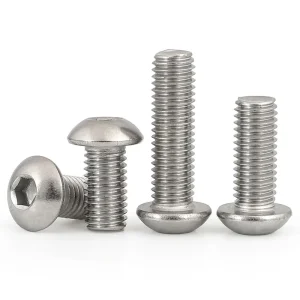
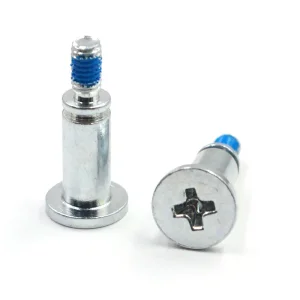
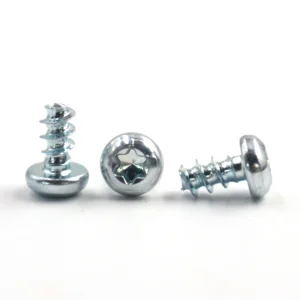
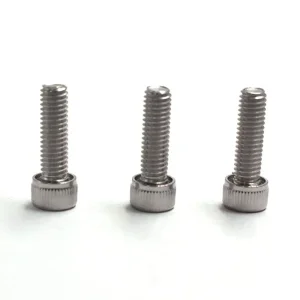
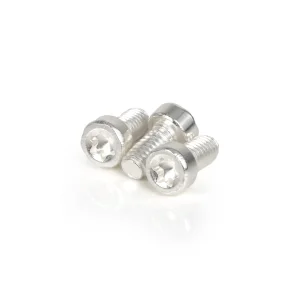
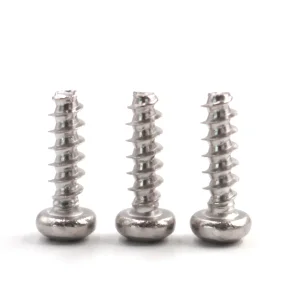
As consumer electronic enclosures, automotive cockpit modules, medical diagnostics, and robotic actuators undergo aggressive miniaturization, mechanical fasteners transition from passive binding elements to high-precision structural components that determine assembly throughput, electrical continuity, and field survivability.
In high-volume manufacturing environments, a single defective screw can jam a robotic feed tube, stall an automated production cell, or rupture a brittle polymer housing. Light assembly fasteners are characterized by their compact diameters (commonly under M4), optimized head heights, engineered drive geometries (such as Torx, Phillips, combined cross-slots, and tamper-resistant profiles), and task-specific threads—including machine threads (ISO metric / ASME UNC/UNF), direct thread-forming geometry for thermoplastics (such as PT 30° thread angles), and self-clinching undercuts.
Unlike heavy structural bolting where ultimate tensile proof load dominates the engineering calculation, light assembly applications demand a holistic convergence of torque-tension repeatability, low drive torque ($T_d$) versus elevated strip torque ($T_s$), resistance to vibrational back-out without causing thread stripping in softer mating substrates, and galvanic insulation or controlled conductivity.
Standard 60° metric profiles frequently induce severe radial hoop stresses in thermoplastic housings, causing boss cracking. Our engineered PT and trilobular threads utilize acute 30° flanks to maximize shear area and amplify thread engagement.
Lightweight assemblies require thin-film coatings that ensure zero dimensional distortion on micro-threads while providing robust salt spray resistance and tailored friction coefficients (μ = 0.10 – 0.16) for uniform clamping forces.
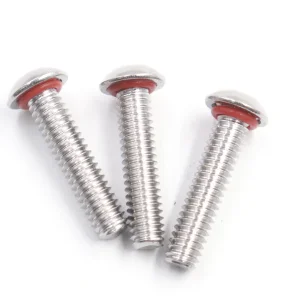
Eliminate manual secondary operations on the shop floor. Pre-assembled captured flat/split/conical washers (SEMS) and under-head vulcanized engineered elastomers (EPDM, FKM, Silicone) deliver verified IP67/IP68 hermetic seals in a single driver stroke.
Why global tier-1 automotive suppliers, Fortune 500 electronics OEMs, and contract manufacturers rely on the Pearl River Delta cold-heading corridor for mission-critical light assembly fasteners.
China's fastener ecosystem has completed a fundamental transformation over the past two decades—moving decisively from low-specification bulk commodity hardware into high-precision, automated, certified fastening solutions. Centered in Dongguan, Guangdong Province, with supporting manufacturing hubs in Shaoguan and Wuhan, our integrated facilities combine:
Direct supply contracts with certified steel mills (Baosteel, Walsin Lihwa) ensure continuous wire rod chemistry, vacuum degassing, spheroidized annealing, and full trace heats with 3.1 mill test certificates.
High-speed multi-stage heading machinery (capable of up to 450 parts per minute) cold-forges uninterrupted grain boundaries along the fastener shank, transition radius, and drive socket, maximizing yield strength.
Planetary and flat-die thread rolling processes displace—rather than cut—grain lines, creating smooth crests and roots with minimized notch sensitivity and superior fatigue limits compared to turned fasteners.
Atmosphere-controlled mesh-belt hardening and tempering furnaces eliminate decarburization and hydrogen embrittlement risks, achieving verified hardness bands (HRC 28–38 or HV 450–750).
This tightly clustered supply chain eliminates cross-country logistics latency. Tooling designers, carbide punch manufacturers, specialized wire drawing facilities, hydrogen de-embrittlement baking stations, automated plating lines, and optical sorting machine builders operate within a 50-kilometer industrial radius. For global procurement officers, this geographic synergy translates into:
| Material Grade | Tensile Strength (MPa) | Surface Hardness | Corrosion Resistance | Ideal Light Assembly Application |
|---|---|---|---|---|
| Austenitic Stainless (SS304 / A2-70) | 700 – 850 | HRB 80 – 92 (Work-hardened) | High (Passivated, 500h+ Salt Spray) | Consumer devices, outdoor telemetry, food service electronics, IP67 junction boxes. |
| Marine Grade (SS316 / A4-80) | 800 – 950 | HRB 85 – 95 (Work-hardened) | Extreme (Chloride & Acid resistant) | Medical diagnostic fluids, maritime telematics, chemical sensor housings, coastal smart meters. |
| Low Carbon Steel (1018A / 1022A) | 450 – 600 | HV 450 – 700 (Case hardened) | Medium (Requires Zinc / Zn-Ni Plating) | PT thread-forming screws for plastics, self-tapping sheet metal panels, commercial displays. |
| Medium Alloy (SCM435 / Grade 10.9-12.9) | 1040 – 1220 | HRC 32 – 44 (Through-hardened) | Variable (Zinc flake / Geomet / Dacromet) | Automotive transmission sub-assemblies, drone motor mounts, high-vibration robotic arm joints. |
| Brass & Phosphor Bronze (CuZn37 / C5191) | 350 – 500 | HRB 60 – 75 | High non-ferrous galvanic compatibility | RF shielding cans, grounding terminals, precision optical prisms, non-magnetic avionic bays. |
Navigating cross-border compliance demands rigorous, documented adherence to international material safety laws, automotive PPAP standards, and automated line defect thresholds.
Procurement teams sourcing light assembly fasteners for multinational distribution face stringent statutory and operational hurdles. A batch containing trace levels of hexavalent chromium ($Cr^{6+}$), cadmium, lead, or SVHC substances can trigger catastrophic port confiscations, brand recalls, and environmental penalties. Our production workflows incorporate comprehensive quality gates to safeguard global supply chains:
For automotive interior electronics, ADAS camera assemblies, and battery management systems (BMS), we provide complete Production Part Approval Process (PPAP) documentation:
Full material transparency under globally recognized directives protects your enterprise from non-compliant component liability:
Manual sampling cannot guarantee zero defects in automated bowl feeders. We route 100% of precision screw lots across multi-camera laser & optical glass dial sorters:
Our senior application engineers provide DFM assessments, thread selection guidance, and torque-tension calculations for your specific material joint within 24 hours.
Every assembly domain presents distinct mechanical constraints, thermal expansion variables, and environmental exposures. Examine our tailored fastener architectures across key industries.
Smartphones, smartwatches, AR glasses, and laptops require micro-screws (M0.6 to M1.6) capable of flush mating in cramped chassis layouts.
Infotainment screens, LIDAR/camera brackets, and instrument cluster plastics demand consistent clamp load across -40°C to +125°C thermal cycles.
Fluidic pumps, diagnostic analyzers, and surgical handpieces require passivation, non-magnetic stainless alloys, and zero oil contamination.
Outdoor gateways, smart electrical utility meters, and solar inverters necessitate IP67/IP68 ingress sealing and tamper-resistant recesses.
Technological convergence in robotics, automated high-speed driving, and eco-friendly manufacturing is revolutionizing light assembly fastening design.
As assembly plants worldwide deploy autonomous automated screw-driving cells (SCARA and 6-axis cobots), fastener specifications must evolve to eliminate feed hang-ups and cam-out damage. Three decisive innovations dominate modern product development:
Traditional Phillips and slotted heads suffer from vertical cam-out forces that damage surface coatings, eject metallic burrs into sensitive electronics, and wear driver bits rapidly. The transition toward Torx Plus (six-lobe elliptical) and deep recess Phillips provides true 0° drive angle engagement, permitting higher assembly torque with zero axial downforce.
With modern assemblies pairing magnesium alloys, carbon-fiber reinforced polymers (CFRP), and recycled PC-ABS plastics, traditional tapped holes with brass heat-staked inserts introduce excessive cycle time, weight, and failure points. Modern asymmetrical PT thread geometries cut and displace composite fibers cleanly, eliminating secondary inserts entirely.
Tightening environmental mandates in the European Union and North America are eliminating traditional chemical conversion processes. Forward-looking manufacturers deploy 100% hexavalent-chromium-free zinc-nickel electroplating and water-based zinc flake dip-spin coatings that deliver over 1,500 hours of neutral salt spray protection with zero risk of hydrogen embrittlement.
Authoritative answers to core technical inquiries regarding drive-to-strip ratios, hydrogen embrittlement relief, anti-loosening mechanisms, and OEM sampling lead times.
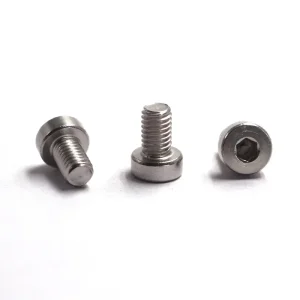
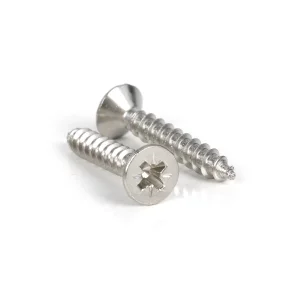
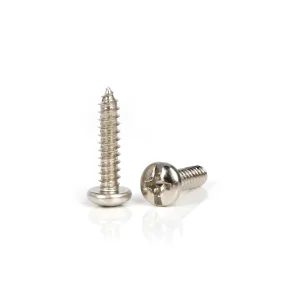
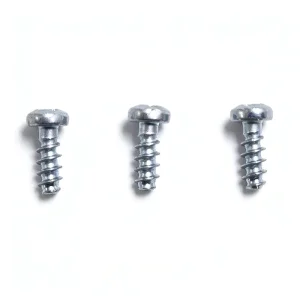
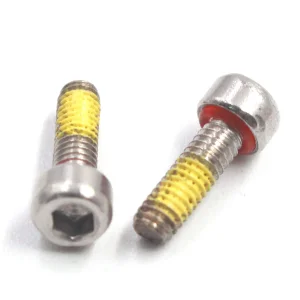
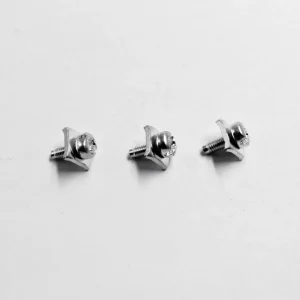
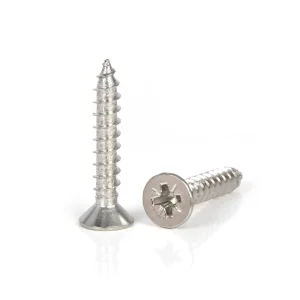
Discover our specialized self-tapping, flush-mount countersunk, SEMS with square washers, and IP67 elastomeric sealing fasteners engineered for critical industrial, automotive electronics, and precision enclosure integration.
Submit your 2D print (PDF) or 3D model (STEP/IGES) along with mating material details. Receive technical evaluation, process routing, and volume quotation within 24 hours.
