Configured to withstand extreme thermal fluctuations and severe mechanical vibration across the industrial clusters of Mladá Boleslav, Brno, Plzeň, and Ostrava.
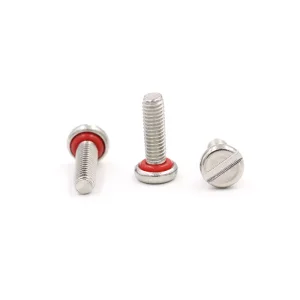
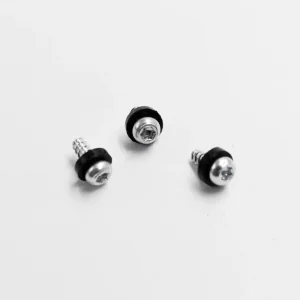
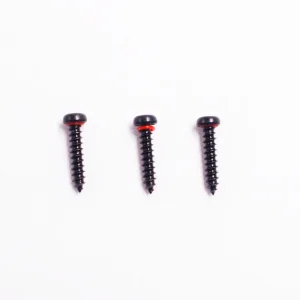
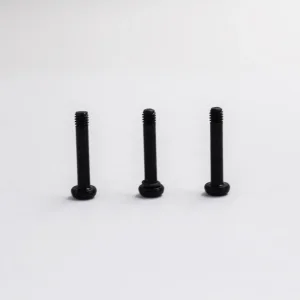
The Czech Republic represents one of the most densely industrialized nations within the European Union, contributing over 30% of its national GDP directly through manufacturing, precision engineering, and automotive assembly. Centered along high-performance logistics arteries spanning the Bohemian basin and Moravian corridors—from the primary automotive clusters in Mladá Boleslav, Kvasiny, and Kolín to the heavy engineering, mechatronics, and CNC machinery hubs of Brno, Plzeň, and Ostrava—Czech industrial operations maintain zero tolerance for mechanical assembly failure.
As the Czech automotive and heavy machinery sectors aggressively accelerate their transition toward Industry 4.0 automation, electrification (EV/BEV), and advanced fluid-power systems, traditional fastening methods are failing to satisfy modern environmental containment specifications. Conventional screws accompanied by standalone flat washers or loose elastomer gaskets introduce severe vulnerabilities: washer slippage during pneumatic or robotic installation, localized galvanic corrosion, uneven clamping pressure, and catastrophic hydraulic or moisture leakage under dynamic cyclic fatigue.
“In high-vibration automotive subassemblies and outdoor electrical enclosures subject to Central European continental weather cycles—where winter road maintenance utilizes corrosive calcium and sodium chlorides—standard mechanical fasteners exhibit microscopic capillary paths along thread flanks. Engineered self-sealing screws integrate precision-machined containment grooves that isolate and control elastomer compression, transforming the fastener from a mere structural anchor into a certified hermetic pressure barrier.”
A true OEM sealing screw is an integrated mechanical system rather than a standard cold-headed fastener with an aftermarket O-ring slipped onto the shank. True hermetic integrity requires engineered synchronization among three interdependent variables:
1. The Precision Under-Head Undercut (Containment Groove): Cold-headed or secondary CNC-turned undercut geometry creates a controlled containment volume. This geometry ensures that when tightening torque is applied, the elastomer O-ring undergoes calibrated radial and axial deflection (typically between 25% and 32% compression). Crucially, the groove maintains a metal-to-metal seating perimeter between the screw head and the mating contact surface. This metal-to-metal contact prevents torque relaxation, eliminates fastener loosening from elastomer creep, and shields the O-ring from destructive atmospheric ultraviolet (UV) radiation and external cutting forces.
2. Elastomeric Chemical Formulation: Operating environments across Czech automotive powertrain and heavy industrial setups dictate specific elastomer compounding. Our manufacturing operations support engineered elastomers including Acrylonitrile Butadiene (NBR) for broad petroleum fuel and hydraulic oil resistance; Fluoroelastomers (FKM / Viton®) for exposure to synthetic transmission fluids and sustained temperatures exceeding 200°C; Ethylene Propylene Diene Monomer (EPDM) for steam, polar solvents, and sub-zero thermal cycling down to -50°C; and Fluorosilicone (FVMQ) for specialized aerospace and defense electronics enclosures demanding resistance to hydrocarbon washdowns.
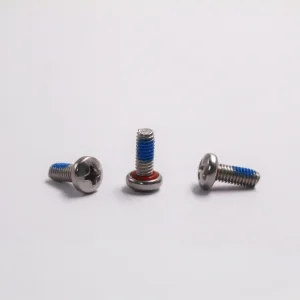
3. Anti-Loosening Functional Locking: High-speed machine tools produced in Moravia and heavy-duty electric commercial vehicles operating across the Carpathian transit routes require fasteners that resist dynamic transverse shock loads. By integrating our under-head captive O-rings with custom-applied micro-encapsulated chemical threadlockers (DIN 267-27) or prevailing torque polyamide (blue nylon) locking patches (DIN 267-28), our sealing screws simultaneously provide permanent fluid containment and class-leading anti-vibration locking capabilities exceeding DIN 65151 Junkers transverse vibration benchmarks.
Engineered for hermetic fluid isolation under continuous submersible conditions and 100-bar high-pressure, high-temperature steam washdown per ISO 20653 standards.
Advanced multi-station high-speed headers paired with precision thread-rolling dies achieve 6g/6H thread classes and undercut groove dimensional tolerances within ±0.015 mm.
Full APQP validation frameworks, complete with Gage R&R, Control Plans, Process Capability studies (Cpk > 1.67), Material Certifications (EN 10204 3.1), and active IMDS registration.
Aligning Chinese high-capacity precision manufacturing directly with European Union directives and Czech technical conformity standards.
Procuring mechanical fasteners within the European Union requires absolute transparency regarding chemical composition and environmental impact. All sealing screws manufactured in our specialized facilities comply strictly with EU REACH Regulation (EC) No 1907/2006, verifying that all base metals, metallic coatings, and vulcanized elastomers remain free from Substances of Very High Concern (SVHC) exceeding 0.1% w/w.
Furthermore, our surface finishing technologies comply with the RoHS Directive (2011/65/EU and amendment 2015/863/EU). We have eliminated all hexavalent chromium (Cr6+) chemistries, standardizing on trivalent chromium passivations (thick-film passivation), high-durability zinc-nickel (Zn-Ni) alloy electroplating (offering >1,000 hours salt spray resistance without white corrosion), and eco-friendly organic thin-film sealers that prevent hydrogen embrittlement in high-tensile Class 8.8, 10.9, and 12.9 fasteners.
For Czech automotive suppliers integrated into VDA and AIAG workflows, our quality engineering group provides comprehensive International Material Data System (IMDS) submissions, ensuring smooth documentation transfer into Tier-1 and OEM master databases.
Procurement directors and supply chain engineers across Central Europe frequently encounter capacity constraints, extended 16–24 week lead times, and prohibitive non-recurring engineering (NRE) costs when sourcing custom fasteners from domestic European producers. By partnering with our large-scale production base in Dongguan, Czech enterprises leverage a unique strategic convergence: advanced Chinese cold-forming efficiency coupled with responsive European freight interconnectivity.
Our centralized manufacturing ecosystem integrates raw-material wire annealing, multi-station cold forming, precision high-speed thread rolling, in-house secondary CNC machining, automated optical sorting, and specialized cleanroom O-ring seating machines under one organizational umbrella. This vertical consolidation reduces manufacturing cycle times for custom engineered parts to 3–4 weeks, providing agility unavailable from fragmented European sub-tier suppliers.
Logistical continuity into the Czech Republic is maintained through diversified multi-modal freight options:
| Base Screw Material | Available O-Ring Elastomers | Operating Temp Range | Max Pressure Rating | Corrosion Protection Options | Primary Industrial Use Case |
|---|---|---|---|---|---|
| Austenitic Stainless Steel (A2-70 / 304) | NBR (Nitrile), Silicone, EPDM | -40°C to +120°C (Elastomer dependent) | 15 MPa (Internal / External) | Passivated, Ultra-low magnetic permeability | Outdoor telecommunications (5G), medical hardware, cleanroom electronics |
| Marine Stainless Steel (A4-80 / 316L) | FKM (Viton®), FFKM, Fluorosilicone | -25°C to +200°C | 25 MPa (Internal / External) | Electropolished, Extreme chloride acid resistance | Chemical processing equipment, marine electronics, wastewater sensors |
| Heat-Treated Carbon Steel (Grade 8.8 / 10.9) | NBR 70/90 Shore A, HNBR | -35°C to +130°C | 40 MPa (High Pressure Dynamic) | Zinc-Nickel (ZnNi) + Clear/Black Sealer (>1200h Salt Spray) | Automotive chassis, powertrain assemblies, internal combustion brackets |
| Case-Hardened Carbon Steel (Self-Tapping) | High-Density EPDM / Red Silicone | -50°C to +150°C | 10 MPa (Pneumatic Ingress) | Geomet / Dacromet Flake, Eco-friendly Black Trivalent Zinc | Die-cast aluminum control enclosures, plastic housing structural joints |
| Aviation Aluminum Alloy (6061-T6 / 7075) | Fluorosilicone (FVMQ), EPDM | -55°C to +175°C | 8 MPa (Low Mass Containment) | Type II / Type III Hard Anodizing (Color customizable) | Lightweight drone frames, EV battery management units (BMU), avionics modules |
From electric mobility battery architecture to heavy CNC hydraulic blocks, explore how engineered sealing fasteners resolve chronic leakage risks.
Czech EV platform assembly lines require hermetic IP69K sealing around aluminum battery trays and high-voltage inverter modules to prevent water intrusion and dielectric coolant leakage during aggressive thermal cycles.
Precision machine tool manufacturers in Brno rely on our Grade 10.9 high-tensile sealing bolts with captive FKM O-rings to seal dynamic hydraulic valve blocks operating continuously at pressures up to 350 bar without thread seepage.
5G beamforming antenna arrays, optical distribution cabinets, and IoT relay systems deployed throughout the Czech rail and highway grids depend on A4 stainless steel Torx sealing screws to maintain IP68 ingress protection against snow and road spray.
Central European railway rolling stock manufacturing requires certified fasteners capable of dampening continuous harmonic vibrations while sealing pneumatic brake circuit reservoirs against airborne dust and salt crystals.
Automated manufacturing lines across Bohemia utilize IP67 sealed articulated robotic joints where pan head Torx machine screws contain lubricant grease under dynamic angular centrifugal forces.
Harvesters and tractors operating in Moravian agricultural operations encounter slurry, organic acids, and intense moisture, demanding zinc-flake coated sealing screws with high-tear-strength polyurethane or EPDM rings.
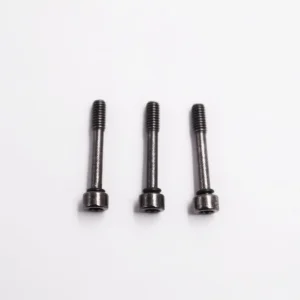
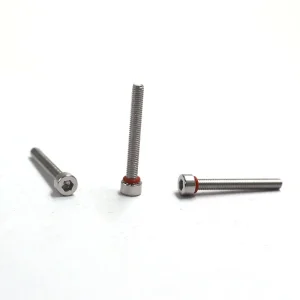
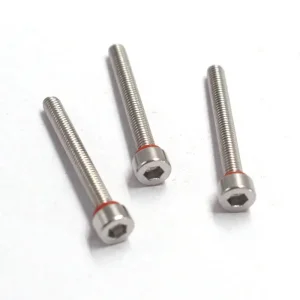
Explore our production-proven lineup of self-sealing fasteners configured for high-speed automated installation lines across the Czech Republic.
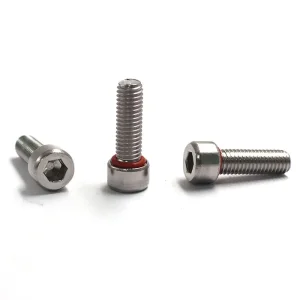
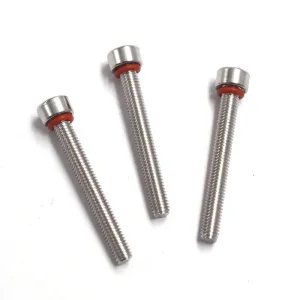
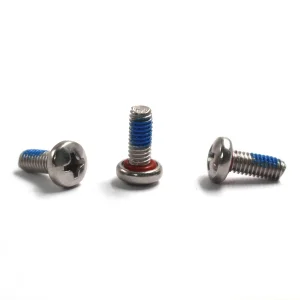
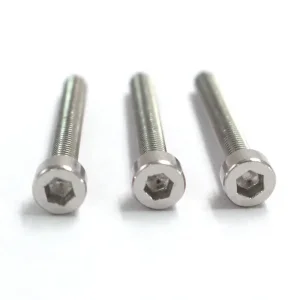
Answers to common technical, quality-assurance, and procurement questions raised by European mechanical engineers and purchasing leads.
Our sealing screws utilize a scientifically calculated annular undercut (containment groove) that precisely balances the cross-sectional volume of the elastomer with the void volume of the groove under full seat compression. Unlike standard flat-bottom screws that crush an O-ring laterally across sharp mating edges, our groove geometry restricts outward elastomer expansion. Once the designated torque is reached, the outer metal rim of the screw head makes rigid metal-to-metal contact with the joint substrate, isolating the elastomer from excessive shear forces, preventing O-ring rupture or extrusion, and maintaining calibrated joint preload.
Yes. Operating under our certified IATF 16949 quality system, we routinely support European automotive programs with complete Production Part Approval Process (PPAP) Level 3 documentation packages. This includes Part Submission Warrants (PSW), Design/Process FMEA, Process Flow Charts, Control Plans, Measurement System Analysis (Gage R&R), Dimensional Verification Results, Material Test Certificates according to EN 10204 Type 3.1, and accredited laboratory Salt Spray Reports. We also complete direct electronic component registration in the International Material Data System (IMDS) for rapid automotive customer sign-off.
Production cycles for custom-tooled cold-headed parts typically span 20 to 25 days following drawing sign-off. For transportation into the Czech Republic, buyers can select based on priority: Air Freight (5–7 days directly into PRG or VIE); China-Europe Railway Express (16–20 days transit directly to inland container depots in Česká Třebová, Prague, or Ostrava, offering an ideal balance of speed and carbon efficiency); or Consolidated Ocean Freight via Hamburg, Rotterdam, or Koper (28–35 days) for large recurring production volumes.
For automated fastener feed systems (blow-feed or robotic pick-and-place), even a single damaged thread or misaligned O-ring can halt an assembly line. We deploy 100% automated high-speed multi-camera optical sorting machines. These inspection systems verify head dimensions, drive recess depth, shank straightness, thread pitch, absence of burrs, and the presence and integrity of the seated O-ring at rates up to 800 parts per minute, ensuring defect rates reliably below 5 PPM.
Central European winters involve heavy road applications of sodium and calcium chlorides. For high-strength carbon steel sealing screws, we recommend Zinc-Nickel (Zn-Ni 12-16% Ni) electroplating with trivalent passivation and high-temperature topcoats, which withstands over 1,200 to 1,500 hours of neutral salt spray testing (ISO 9227 / ASTM B117) without red corrosion. Alternatively, non-electrolytic zinc flake coatings (such as Geomet or Dacromet) eliminate all risk of hydrogen embrittlement on Property Class 10.9 and 12.9 high-tensile bolts.
Yes. Beyond standard Phillips, slotted, and Torx drives, we manufacture a wide range of security and anti-tamper configurations. These include Security Torx with center pin (Tamper-Resistant 6-Lobe), Tri-Wing, Spanner (Snake Eye), One-Way Slotted, and proprietary security drive patterns matched to custom installation bits. These are widely used in Czech telecommunications infrastructure, smart power metering, and public transit ticketing consoles.
