
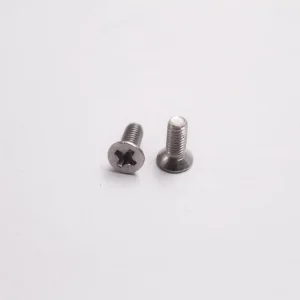
Manufactured via multi-station cold heading, high-speed thread rolling, and precision slotting. Explore certified machine screws, PT screws, and specialized structural assemblies.
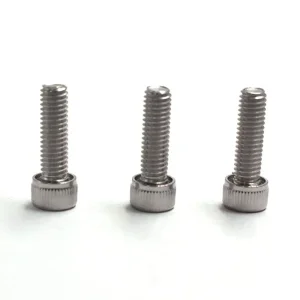
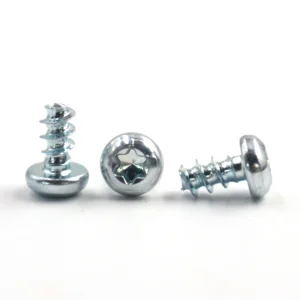
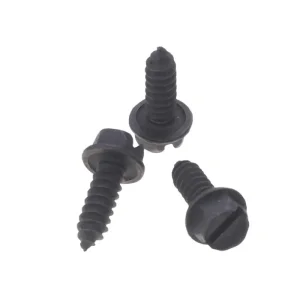
A technical evaluation of shear stress distribution, chip relief geometry, and installation torque dynamics across structural assemblies.
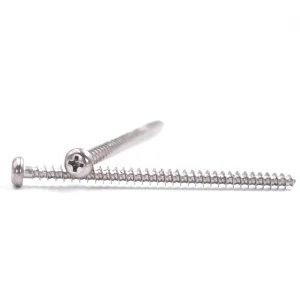
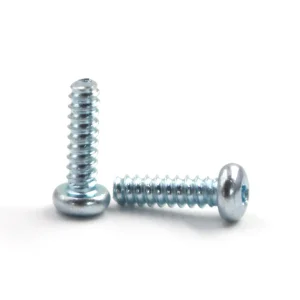
Unlike thread forming screws (DIN 7500) that displace ductile base metal through plastic deformation, thread cutting screws incorporate integrated cutting edges and chip reservoirs (flutes). This design eliminates radial bursting stresses in brittle substrates such as cast iron, zinc-aluminum die castings, and rigid thermoset plastics, maintaining structural wall integrity.
Our tooling designs incorporate precise rake angles and generous relief flutes (Type 1 single flute, Type 23 wide cavity, Type F multi-flutes). During high-RPM automated driving, the cut swarf is routed forward into the pilot hole blind pocket, preventing thread binding, erratic driving torques, or premature galling during continuous assembly.
For automated manufacturing, achieving an optimal drive-to-strip torque ratio (> 1:3.5) is paramount. YH Fastener optimizes helix angles, pitch tolerances, and case hardening depths to minimize driving torque (Td) while maximizing stripping torque (Ts), completely preventing stripped bosses on high-speed robotic assembly cells.
Dimensional and metallurgical parameters for specifying thread cutting and tapping solutions across global standards (ANSI / ASME / DIN / ISO).
| Standard Type | Point Profile & Cutting Action | Applicable Materials | Recommended Hole Prep | Core Hardness & Depth |
|---|---|---|---|---|
| ANSI Type 1 (ASME B18.6.4) | Single cutting flute with off-center slot along thread crests | Structural sheet metal, brass, cast aluminum, bakelite | Drilled / cored hole (Tolerance H11 - H12) | Case 45-55 HRC Core 28-38 HRC |
| ANSI Type 23 (ASME B18.6.4) | Fine thread pitch with wide, deep swarf clearing cavity | Brittle plastics, phenolic resins, soft die-cast zinc/magnesium | Molded tapered bosses (0.5° - 1° draft) | Case 50-56 HRC Core 30-40 HRC |
| ANSI Type 25 (ASME B18.6.4) | Coarse spaced thread with wide cutting face for low friction | Thermoplastics, acrylics, polypropylene, nylon polymers | Parallel counterbore pilot hole | Through-hardened or Case 48-54 HRC |
| ANSI Type F (Heavy Duty) | Tapered entering point with multiple distributed cutting flutes | Heavy gauge steel stampings, ductile iron, structural castings | Drilled hole with entry countersink | Case 52-58 HRC Core 32-42 HRC |
| DIN 7500 / Trilobular (Forming) | Tri-roundular cross section, cold-forming without swarf generation | Low-carbon steels, wrought aluminum alloys, copper | Extruded piercing / stamped holes | Case hardened surface ≥ 450 HV0.3 |
Engineered to resolve thermal expansion differential, galvanic corrosion, and micro-vibration loosening across critical systems.
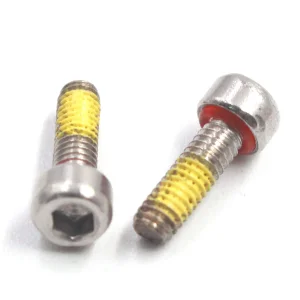
Electric vehicle battery enclosures, inverter power electronics, and lightweight chassis cast-aluminum modules require absolute retention against harmonic road excitation. Our Torx drive PT screws and Type F fasteners are combined with pre-applied microencapsulated adhesives to guarantee zero particulate release and vibration endurance under ISO 16750 standards.
Modern miniaturized IoT sensors, camera gimbals, and ultra-thin laptop enclosures utilize precision micro-screws down to M0.8 and M1.2 diameter. With vacuum heat treatment and precision electro-nickel or diamond-like carbon (DLC) finishes, our micro thread cutting fasteners allow direct seating into ultra-thin polycarbonates without crazing or stress-whitening.
Outdoor 5G base transceiver stations and utility-scale photovoltaic junction boxes demand IP67/IP68 environmental sealing along with C5-M extreme marine corrosion resistance. Our integral sealing screws with pre-fitted fluorosilicone/EPDM O-rings and Delta-Protekt / Geomet flake coatings deliver 1,500+ hours of neutral salt spray resistance without red rust.
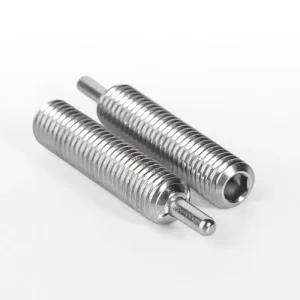
Heavy machinery control panels, servo motor housings, and rapid-indexing tooling fixtures rely on our high-tensile alloy steel (SCM435) thread cutting fasteners and precision spring plungers. Engineered with tight concentricity tolerances (< 0.03mm) to prevent tool collision and ensure repeatable clamping forces across continuous multi-shift production.
Zero-defect manufacturing protocols governed by automotive IATF 16949 systems and international export compliance.
High-hardness case-carburized carbon steel fasteners (C1022A, 10B21) are uniquely vulnerable to delayed catastrophic brittle fracture caused by atomic hydrogen pickup during acid pickling and electroplating. YH Fastener mandates immediate post-plating thermal de-embrittlement baking at 200°C–220°C for 4 to 8 hours within 1 hour of electrodeposition, verified via ASTM F606 wedge tensile testing.
For OEM automotive and medical equipment procurement programs, our engineering teams provide complete Production Part Approval Process (PPAP) Level 3 documentation dossiers. This includes Process Failure Mode and Effects Analysis (PFMEA), Control Plans, Gage R&R measurement system studies, Full Dimensional Layouts (CMM), and 3.1 Mill Test Material Certifications.
All surface conversion treatments—including zinc trivalent passivations (clear, yellow, black), nickel-tin coatings, and organic zinc flakes—are 100% compliant with EU RoHS Directive 2011/65/EU and 2015/863 (Hexavalent Chromium Cr6+ free). Full screening under EU REACH SVHC candidate lists ensures unhindered customs clearance across North American and European borders.
Pioneering automated optical sorting, lightweight composite joins, and next-generation smart robotic fastening.
Eliminating assembly line downtime caused by head defects, broken slots, or foreign material. Our workshop integrates high-resolution multi-camera laser glass-plate sorting machinery operating at 1,200 parts per minute. Real-time vision algorithms check pitch diameter, cutting flute profile, recess depth, and total runout to achieve strict automotive sub-50 PPM quality standards.
As structural engineering shifts toward magnesium castings, carbon fiber reinforced plastics (CFRP), and high-strength 6000/7000 series aluminum, thread mechanics require redesigned asymmetrical thread profiles (30° flank angles) that minimize axial hoop stress while providing up to 40% higher pull-out retention compared to standard 60° metric threads.
Replacing conventional heavy metal electroplating with ultra-thin, low-friction organo-ceramic and PTFE composite barrier coats. These micro-thin finishes (3–8 μm) guarantee stable coefficient of friction (μ = 0.10–0.15), eliminating galling in stainless steel thread cutting applications while avoiding hydrogen embrittlement pathways entirely.
In-depth responses from YH Fastener senior application engineers to assist your design, sourcing, and quality verification workflows.
Engineered cold-formed fasteners, hardened installation keys, and sealing screws for mission-critical assemblies.
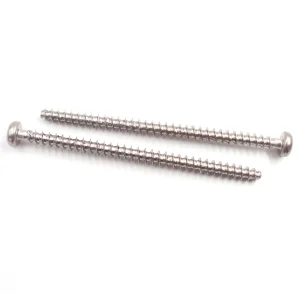
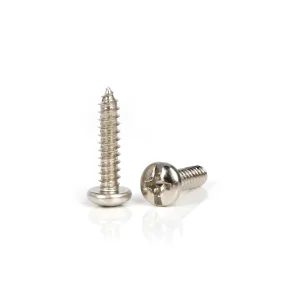
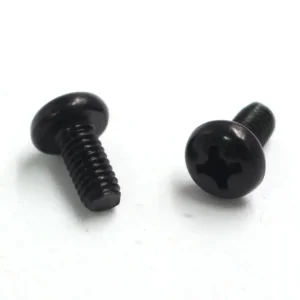
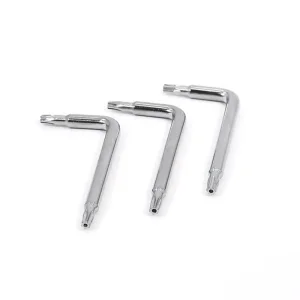
Send our senior engineering team your 2D engineering drawings (PDF, DWG) or 3D CAD files (STEP, IGES). We guarantee a comprehensive manufacturability review, material recommendation, and initial price quotation within 24 hours.